Browse Questions and Answers
Avg response: 24 HrsFilter Questions
20 of 14228 results
I am trying to formulate a cream using Light Lotion Maker (ID 5938) with the provided formula and method, but the mixture remains liquid and does not form a cream texture. What is the reason for this failure, and what is the recommended corrected method to achieve the desired cream consistency?
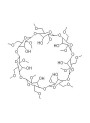
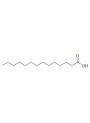
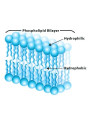
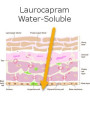
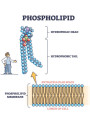
Seeking advice on enhancing penetration in a hair serum formulation already containing 2% Laurocapram (Water Soluble). Specifically, which of Ethoxydiglycol, Phospholipid, or PEG/PPG-14/7 Dimethyl Ether can be added, whether multiple can be used together, recommended usage percentages for enhanced absorption, and potential safety concerns when combining multiple penetration enhancers.
What techniques can be used to help Light Cream Maker™ fully dissolve in water at 0.4% concentration, as it currently leaves undissolved particles even after 10 minutes of stirring?
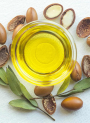
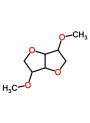
For an oil-based formula containing 1% Bakuchiol and 0.2% dl-alpha Tocopherol (Vitamin E) in Argan Oil, is it necessary or recommended to add Dimethyl Isosorbide (DMI) to enhance the absorption of the active ingredients into the skin?
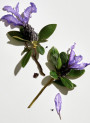
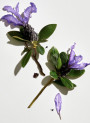
Can small molecule Hyaluronic Acid powder be dissolved directly into a Witch Hazel Plus Allantoin base for making a serum?
Can you analyze the ingredients and proportions of this proposed formulation (Macadamia oil 44%, Avocado Oil 18%, Shea Butter 27%, Vitamin E 1%, Beet Root Red Pigment 10%) and provide feedback on potential issues, especially regarding ingredient compatibility and stability?
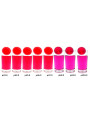
What ingredient or method can be used to lock fragrance in liquid fabric softener to make the scent last longer on fabric?
Can L-Ascorbic Acid powder be mixed directly with a Hyaluronic Acid gel base? Is it then possible to mix this combination with body lotion for body application?
How can I determine if various raw materials or active ingredients selected for a formulation will interact with each other (e.g., synergistically, antagonistically, or form new substances), potentially leading to harmful effects? What precautions should be considered when selecting ingredients for a formula?
What is the recommended usage rate for Ferrous Sulfate when mixing with herbal hair dye powder to improve color adhesion, and are there potential problems if left on the hair and scalp for a long time?
What is a recommended cream formula and key ingredients for reducing dark circles and puffiness around the eyes?



Can EasyWash™ color be used in a serum formulation? Will applying sunscreen after a serum containing EasyWash™ color cause pilling (formation of residue/khui) on the skin?





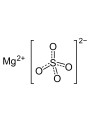
The user asks about the compatibility and usage percentages of Water-in-Oil emulsifiers with Oil-in-Water cream makers (Satin Cream Maker, Milk Lotion Maker) in sunscreen or general cream formulas containing electrolytes. They also inquire if Magnesium Sulfate is still necessary for W/O stability when other emulsifiers are used, and the recommended percentage of DHHB to add to a specific SPF Protect Ultra II sunscreen formula to enhance UVA protection.


How to properly dissolve Lithium Magnesium Sodium Silicate (Clear) powder in water to achieve a clear, stable solution without separation or sedimentation, as attempts with high concentration resulted in undissolved particles and phase separation?
I am formulating a product using 100% Fractionated Coconut Oil as the base oil. I tried mixing `Oil Thick transparent` at 0.2%. * I heated the mixture to 70-80°C until the ingredient completely dissolved. * While still hot, the mixture was clear as expected. * However, after letting it cool down naturally to room temperature (without accelerated cooling), the color became translucent/cloudy, not clear. The packaging is a transparent dropper bottle, so the product needs to be clear. How can I resolve this issue to achieve a clear texture? Or, if there is another `Oil thickener` that results in a clear texture, could you please recommend it? I also need the texture to be slightly thicker because the current formulation tends to leak from the dropper, but it must still be thin enough to be drawn up by the dropper. Thank you very much.

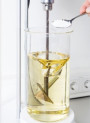

Could you please review this foundation formulation draft before manufacturing? I am aiming for a product with SPF 50+, 1-2 shades brightening effect, good coverage, oil control, 24-hour wear, and waterproof/sweatproof properties. I have provided the list of ingredients and their percentages for your evaluation.
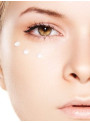
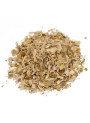
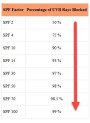
What are the solubility characteristics and recommended mixing methods for NaturePreserve Ultra (powder) and NaturePreserve LB2 (liquid), and what factors like pH or temperature affect their dissolution and stability?

Can Vitamin K2 MK-7 (0.15% in MCT Oil) be used in cosmetic formulations, specifically for making an under-eye cream to address wrinkles and signs of aging, and what is the recommended usage?
What ingredients can be used to create an oil-gel texture for lip gloss, similar to Versagel or Polyamide-3, and what options are available?
Seeking advice on troubleshooting serum formulation issues: experiencing separation during initial emulsification (adding water to oil/emulsifier with homogenization) and long-term phase separation/syneresis after storage, in a complex serum containing high levels of water-soluble actives, oils, silicones, Magnesium Sulfate, and polymers, despite trying different emulsifiers.