Browse Questions and Answers
Avg response: 24 HrsFilter Questions
20 of 14228 results
I've created my first sulfate-free facial wash formulation using a Sulfate Free Shampoo Base (20%), Encapsulated Salicylic Acid (4.3%), Mild Preserved Eco (1%), and Distilled Water (75.7%). After mixing, the foam is quite low. Could you please review my formula percentages and steps to identify any errors and suggest improvements, especially regarding the low foam issue?
What are the benefits and properties of plankton extracts commonly used in skincare essences, such as those found in products like Biotherm Life Plankton Clear Essence?


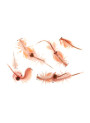
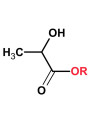
How to use Lactic Acid (AHA) Neutralized at 5% in a body lotion or serum for skin brightening and mark reduction, specifically regarding daytime use/sun exposure and the type of thickener needed for serum formulation.
Can the Stevia Extract (Steviol Glycosides) product be used for drinking?
When using Pure-Melatonin™ in a facial serum, is there a risk of increased facial hair growth due to its hair growth stimulating properties? Also, for a Microemulsion Cleanser formula, is Oilsify 15 specifically required for effective waterproof makeup removal, and what non-comedogenic natural oil is recommended for the 50% oil phase?
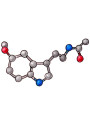
I am trying to order ingredients for a serum formulation and cannot find 'Yeast Resurface'. Has this ingredient been discontinued, or are there alternative yeast-based ingredients available for serums?

Can Phenylethyl Resorcinol (0.5%) and Ergothioneine (1%) be added to the ready-to-use Vitamin C E Ferulic serum kit, and what are the potential effects?
What ingredients are needed for a basic body mask formula before adding active ingredients, specifically asking about using ready-made mask bases?
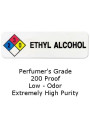
I am creating an alcohol-based fragrance/fabric spray using fragrance oil, 200 proof alcohol, Flora Fix, and DI water. I want the scent to last longer. Can I add other fixatives like DPG? Is a preservative needed with high alcohol content, and what is the shelf life? How long should I macerate the mixture? Can I pre-mix the alcohol base before adding the fragrance oil? Can this formula be used as a body spray?

Given that Ethylbisiminomethylguaiacol Manganese Chloride (EUK-134) is a potent antioxidant for skin, is it necessary or advisable to also include ActiveProtec™ OX, which is a formulation antioxidant blend, in the same cosmetic formula?
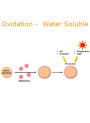
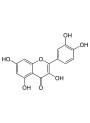
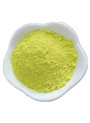
What are the technical details (chemical properties, form, color, solubility) of MySkinRecipes' Quercetin powder for research purposes?
Based on the provided list of ingredients, please analyze what type of cosmetic formulation this is, explain the function of each key ingredient, and describe the potential benefits or characteristics of the final product.
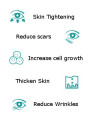


How to formulate a lotion for cellulite reduction, moisturizing, and skin brightening using specific ingredients and percentages, including a review of the proposed formula, mixing procedure, and suggestions for enhancing effectiveness if budget is not a constraint?

I would like advice on creating a cream formulation with the following properties: * Reducing wrinkles * Lifting (for sagging skin, e.g., nasolabial folds) * Providing skin moisture * Repairing damaged skin * Brightening skin The formulation includes the following ingredients: 1. น้ำกลั่น ปราศจากเชื้อ OTHERS ..........................................................71.00% 2. Ectoine (Ectoin, from Bio-fermentation) anti-aging ……………………2.00% 3. Panthenol (Vitamin B5) ExtraLite™ moisturizer ……………………..2.00% 4. Odor-Kill™ (ละลายน้ำ) SCENT ..........................................................1.00% 5. Pal-GHK, Pal-GQPR (eq. Matrixyl 3000) anti-aging …………………3.00% 6. Acetyl Hexapeptide-8 (eq. Argireline) anti-aging ……………………5.00% 7. Repair Activator™ Liquid (Bifida Ferment Lysate) moisturizer ......10.00% 8. Phenoxyethanol SA (eq. Optiphen Plus) OTHERS ............................0.50% 9. Lemon Peel Bioferment (Lemon Skin™) whitening ..........................3.00% 10. Light Cream Maker™ CREAM MAKER (ALL-IN-ONE Emulsifier) ......1.50% 11. Phospholipid OTHERS ………………………………………………….1.00% Regarding the formula, I would like to know if the proportions above: * Can be mixed well * Will cause harm to the skin * Are excessive to the point of not increasing efficacy Additionally, regarding the mixing process, I would like to know if the following steps are correct: A. Add ingredients 2, 3, 4, 10, 11 into ingredient 1. Mix well. B. Gradually add ingredients 5, 6, 7, 8, 9 into mixture A. Continue mixing until a cream texture is formed. Could the team or experts please provide guidance? Thank you very much.
What gel thickeners are recommended for creating a fast-absorbing, non-sticky serum using a cold process method, and are also non-comedogenic?
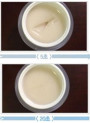
I mixed Polyglyceryl-4 Caprate (3%), Dipropylene glycol (12%), Preserve-Free PHL (0.9%), and water by shaking, but the mixture became cloudy and developed white sediment. Which ingredient is causing this issue?
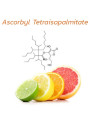
I have an anti-aging cream formula containing various ferment filtrates, Ectoine, Matrixyl 3000, Perfect-C (Ascorbyl Tetraisopalmitate), LipidSoft Lactic, and Silky Serum Base Plus. I have several questions regarding the formulation: Can Ectoine be dissolved directly in Galactomyces Ferment Filtrate, or is distilled water needed? How can I adjust the texture, perhaps by adding Cyclopentasiloxane? Is it safe to omit Disodium EDTA since Perfect-C is oil-soluble, even though the formula contains a water phase? Would adding Satin Cream Maker improve stability, or are there better alternatives like Magnesium Sulfate? Can this formula be successfully mixed manually, or is a blender necessary? Also, I am not using preservatives and plan to store the product in the refrigerator; what are the risks?

Regarding cosmetic-grade denatured ethyl alcohol used in hand sanitizers (sprays/gels), the COA shows a Methanol limit of Max 15 ppm. Given that Methanol is generally prohibited by regulatory bodies for use as the main alcohol in hand sanitizers, is this trace amount (15 ppm) considered safe and acceptable for topical cosmetic applications? Why is it present if Methanol is prohibited?
Is Polyvinylpyrrolidone K90 (PVP-K90) in granule form suitable for use as a binding agent in solid dosage forms such as tablets and lozenges, and what is its grade?
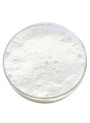
Can MakeGlow™ Powder be dissolved for use in a cream formulation, or is a different form needed?