Browse Questions and Answers
Avg response: 24 HrsFilter Questions
20 of 14240 results
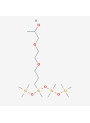
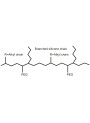
Can `Bis-PEG/PPG-16/16 PEG/PPG16/16 Dimethicone` emulsify silicone?
Regarding the **Stabilized Vitamin C (Natural-C Glycol™) Serum**: The product is sold in a 50-gram bottle. This weight includes the weight of the bottle itself. What is the weight of the serum only, excluding the bottle?
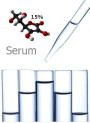
Which is more effective when comparing Yeast serum to Peptide + DMAE serum?
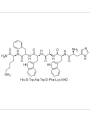
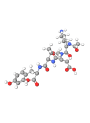

I would like to request a review of my formula for an acne-free cleansing gel. The formula is as follows: * AminoWash 15% * Cocamidopropyl Betaine 20% * Flora Foam 3% * Coco Foam 15% * Safe-B3 5% * Salicylic Acid 10% * disodium EDTA 0.2% * Essential Oil 1-2 drops * Mild Preserved Eco™ (Preservative-Free) 1% * Water remaining amount Please check if there is anything that needs to be changed or added to make the gel complete. Also, I would like to ask about the preservative: If I use only Mild Preserved Eco™ like this, how long will the gel last? Is it necessary to have multiple preservatives like products sold in the market? Thank you very much.

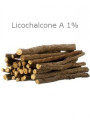
I added Chamomile to my formula to reduce irritation caused by 4-n-butylresorcinol. However, applying it makes my face feel oilier. I want to switch to an alternative ingredient that provides moisture and reduces irritation but does not increase oiliness. * Can Ceramide-2 help with this? * What other ingredients do you recommend?
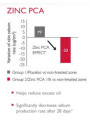
I understand that **Pure-Melatonin** is not compatible with **Zinc PCA**. Can **Pure-Melatonin** be combined with **Methylsulfonylmethane (Pure MSM™)**?

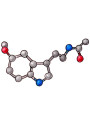
I would like to know if Formula A can be mixed with Vaseline Healthy White Lightening lotion (as shown in the picture), and if Formula B can be mixed with Vaseline Healthy White Lightening lotion (as shown in the picture)? The objective is to increase the volume of the cream while maintaining the original efficacy of Formula A and Formula B. Or do you have any recommendations? **Formula A:** 1. Hyaluronic Acid Elastomer 2% 2. HyaCoat 0.5% 3. GlucoBright 4% 4. Safe-B3™ (Vitamin B3, Niacinamide, Switzerland) 4% 5. Yeast Radiance™ 2.5% 6. shea butter water 5% 7. Pro Polymer 1% 8. Mild Preserved Eco™ (Preservative-Free) 1% 9. น้ำกลั่น 80% **Formula B:** 1. น้ำกลั่น 76% 2. Safe-B3 5% 3. GlucoBright 4% 4. Alpha Arbutin 1.5% 5. Active Resveratrol 5% 6. Satin Cream Maker 1% 7. Shea Butter (Ultra Soft) 5% 8. Cyclomethicone / Cyclopentasiloxane (Low-Odor) 1% 9. Mild Preserved Eco™ (Preservative-Free) 1%
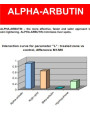
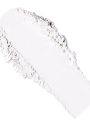
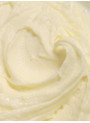
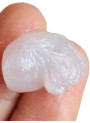

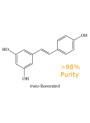

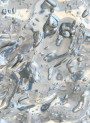
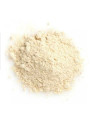
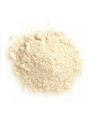
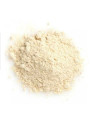
I would like to know about using **Lecithin** in a cream formulation. * Can the **Lecithin** powder attached in the file be used in a cream formulation? * I've heard that if it's natural **Lecithin**, it won't be very stable after a short period. * Is this considered derived **Lecithin**? * I plan to sell the product with a 2-year shelf life. Will it be stable enough? Thank you.
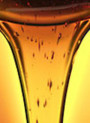
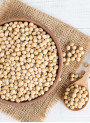
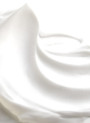
Could you suggest ingredients or bases that are safe to use in lip products?
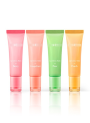
Hello, I would like to ask if there are any alternatives to Cetyl Alcohol that provide a similar texture, but are not Cetearyl Alcohol? I need something very gentle for producing a lip cream. I am having difficulty finding pharma grade Cetyl Alcohol and would like to switch to an alternative. I am considering using natural Phospholipid wax or anything that is food grade. Thank you.
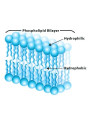

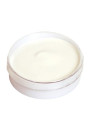
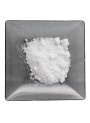
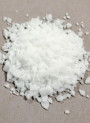
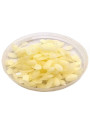
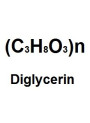
Which is stickier, Glycerin or Diglycerin?
Based on the ingredient list provided for Estee Lauder Advanced Night Repair serum, which has a clear texture, how is this clear serum texture achieved despite the presence of both water and oil ingredients? Specifically, which ingredients are used to combine the water and oil phases to result in a clear texture? Ingredient list: Aqua/Water, ETHYLHEXYL METHOXYCINNAMATE, Dimethicone, Glycerin, Dirometrizole Trisiloxane, Terephthaylidene DiCamphor Sulfonic Acid, Propylene Glycol, Titanium Dioxide, Alcohol denat., Triethanolamine, Stearic Acid, Potassium Cetyl Phosphate, Nylon-12, Palmitic Acid, PEG-100 Stearate, Glyceryl stearate, Cetyl Alcohol, Bis-Ethylhexyloxyphenol Methoxyphenyl Triazine, Phenoxyethanol, Diethylamino Hydroxybenzoyl Hexyl Benzoate, Aluminium Hydroxide, Methylparaben, Sodium Cocoyl Sarcosinate, Caprylyl Glycol, Carbomer, Tocopherol, Tromethamine, Ethylparaben, Acrylamide/Sodium Acryloyldimethyltaurate Copolymer, isohexadecane, Xanthan Gum, Disodium EDTA, Adenosine, Arginine, Polysorbate 80, Mannitol, RNA, Pyridoxine HCL, Disodium Adenosine Triphosphate, Histidine HCl, Zea Mays (Corn) Kernel Extract, PhenylAlanine, Faex/Yeast Extract, Tyrosine, Mentha Piperita (Pepermint) Leaf Extract, Rosa Gallica Flower Extract, (F.I.L. D170412/1)
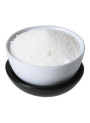
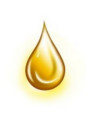
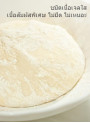
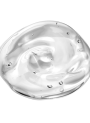
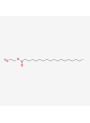
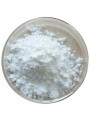
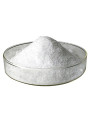
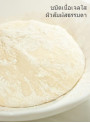
I made a lip gloss according to this formula and left it overnight for 2 nights, and it completely settled as shown in the pictures. How can I fix this problem?
Regarding **Retinal (Retinaldehyde)**: 1. How sensitive is **Retinal (Retinaldehyde)** to light? 2. What factors cause the substance or formula to darken or change color? 3. Is the color change of the formula or the substance itself an indication of degradation? 4. If color change indicates degradation, can the remaining efficacy be estimated? Approximately what percentage of efficacy remains?
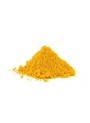
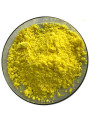
If I want to make a cloudy white, milky serum, should I use milk extract or regular fresh milk?
I would like to know if using high concentration Vitamin C serum (15-20%) will make my face thin and sensitive to the sun.
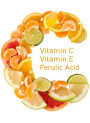
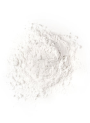
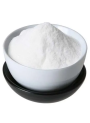
How can I increase the coverage of my foundation cream? Could you recommend which ingredients to add to achieve higher coverage?
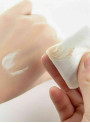
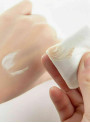
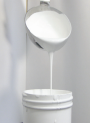


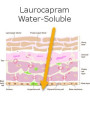
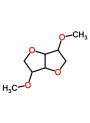
I need a serum formulation focusing on skin rejuvenation, reducing wrinkles, increasing hydration, and brightening the skin. **Skin type:** Dry but not peeling, with some freckles. **Desired texture:** Similar to Estee Lauder ANR. Here is the proposed formula: * Galactomyces Ferment Filtrate (aka. Pitera) 42% * Repair Activator™ 15% * Safe-B3™ (Vitamin B3, Niacinamide) 4% * GlucoBright™ (Acetyl glucosamine) 4% * Activated Resorcinol™ 1% * Ectoin 2% * beta glucan 3% * Acetyl Hexapeptide-8 (Argireline) 3% * Pep®-Coll (Palmitoyl Tripeptide-5) 3% * Moist 24 1% * Licochalcone A 1% * Hyaluronic Acid Elastomer 5% * Silicone Gel (Ultra Clear) 5% * Satin Cream Maker™ 1% * Laurocapram (Water Soluble) 2% * Dimethyl Isosorbide (DMI) 3% * Odor-Kill 1% * Phospholipid 3% * German Chamomile Extract 1% Can this formula be mixed? If any ingredients need to be reduced or increased, or if you have other ingredient recommendations, please let me know.
I would like to adjust the ingredients in my facial cleansing mousse formulation to achieve a finer and softer foam. What ingredients should I adjust or add? My current formulation is: * Water * `Apple Foam` 4.5% * `Coco Wash` 2.7% * `Makeup wash` 2.7% * `Cocamidopropyl Betaine` (30%) 9% * `Sodium Laureth Sulfate` (70%) 9% * `Sodium Methyl Cocoyl Taurate` (30%) 4.5% * `Phenoxyethanol` 0.6%

Regarding the ingredient **Pure-Melatonin™** (Odorless, White Powder): 1. What substances can **Pure-Melatonin™** be dissolved in? 2. What is the dissolution rate for **Pure-Melatonin™** in these substances? (Note: Product information states a recommended usage rate of 0.1-3%).