Browse Questions and Answers
Avg response: 24 HrsFilter Questions
20 of 14233 results
When using ActiveProtect OX (an antioxidant) at 1% in a formulation, is it still necessary or beneficial to also include Disodium EDTA (a chelating agent) at 0.2%?
What ingredients are effective for pore tightening and oil control, and what are their recommended usage percentages?
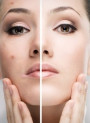
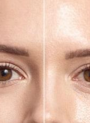
How should I use DMAE (SkinTight MD™) Liquid in cosmetic formulations, including recommended usage rate, mixing method, and precautions?
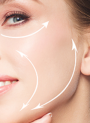
I have questions about Allantoin: its solubility at 0.5% and whether Natural Betaine is needed and in what amount, its recommended maximum usage rate (0.2%) and effectiveness for irritation reduction in refrigerated cream, its ability to reduce allergies versus just irritation, and how it compares to Dipotassium Glycyrrhizate for sensitive skin.
What ingredients and their recommended usage rates can be used to formulate a face cream that provides a "dewy" or "หน้าเงา" finish?
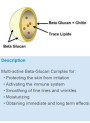
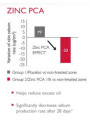
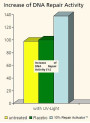
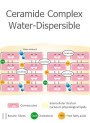
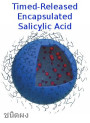
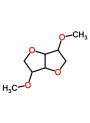
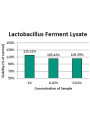
I have no experience in product manufacturing or formulation but want to learn. I need advice on formulating a serum for personal use. I'm unsure if the amount of active ingredients is too high. Do I need to adjust the product's pH and stability? Will Silver affect other ingredients and reduce their effectiveness? I would like advice for a serum targeting anti-aging, oil control, anti-inflammation, and moisturization. Here is the drafted formula: 1. Safe-B3™ (Vitamin B3, Niacinamide, Switzerland): 5% 2. Ethoxydiglycol: 1% 3. Dimethyl Isosorbide (DMI): 3% 4. Encapsulated Salicylic Acid (Powder, Timed-Release): 4% 5. VersaMoist™: 2% 6. Super-HYA™: 0.05% 7. Pure-Bakuchiol™ (Natural Retinol, 99% Pure): 0.5% 8. Nano Gold: 1% 9. Protec™ UV: 0.03% 10. Acetyl Hexapeptide-8: 10% 11. Protec™ OX: 0.01% 12. Pep®-Coll (Palmitoyl Tripeptide-5): 3% 13. Pal-GHK, Pal-GQPR (eq. Matrixyl 3000): 3% 14. Saccharomyces Lysate Extract: 1% 15. beta glucan (Saccharomyces cerevisiae extract): 3% 16. Glycosaminoglycans Complex: 3% 17. Lactobacillus Ferment Lysate: 3% 18. Repair Activator™ Liquid (Bifida Ferment Lysate): 10% 19. Ultrasomes Micrococcus Lysate: 1% 20. Calcium Pantothenate: 3% 21. 20nm Silver Pure™: 1% 22. Ceramide Complex (Water Dispersible Powder): 1% 23. Zinc PCA: 1% 24. Glycerin 99.5%: 5% 25. AQUA: 35.41%
How can I extend the longevity of fragrance in a solid perfume balm made with beeswax and coconut oil, and what fragrance fixatives and methods are suitable?
In formulating a gel serum, which type of Hyaluronic Acid, Large Molecule or Japan blend (multi-molecular weight), is more suitable for achieving a light, smooth texture and easy skin absorption?
How to formulate a DIY moisturizer cream/gel for acne, exfoliation, hydration, and irritation reduction using specific ingredients, addressing mixability, missing components, and methods to improve texture for less stickiness and a comfortable feel?
What are the suitable alternatives for Disodium Cocoamphoacetate in a liquid cleansing formula, including their recommended usage percentages and important considerations for formulation?
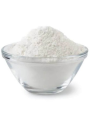
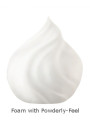
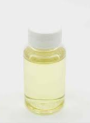
When using Sodium Isostearoyl Lactylate as an emulsifier in a liquid soap formulation, what is the maximum percentage of oil that can be emulsified, and what is the recommended usage percentage for the emulsifier itself?
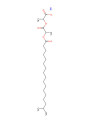
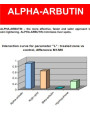
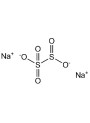
How to prevent color change and ensure stability in a whitening serum containing Alpha Arbutin, Niacinamide, Tranexamic Acid, Licorice, and Ume extracts, specifically asking about the use and percentage of Sodium Metabisulfite vs. ActiveProtec OX, and if ActiveProtec UV is necessary for clear or frosted packaging.
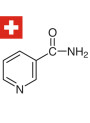
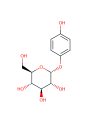
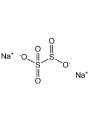
I have a specific list of ingredients and percentages for a whitening cream formulation. I would like to confirm if this formula is complete, understand the general manufacturing steps required, and inquire about the process for ordering production.
How can I formulate a silicone-free hair oil using a blend of natural oils (including Caprylic/Capric Triglyceride, Sweet Almond, Argan, Sunflower Seed, Rice Bran, Meadowfoam Seed, and Jojoba Oils) to achieve a light, smooth texture without stickiness or greasiness, as my current blend feels too heavy?
I have two cosmetic formulas (ingredients and percentages provided) and would like to know the correct mixing procedure, if hand mixing is feasible, ingredient compatibility, and if any ingredients should be adjusted. For the second formula, I also want to know if removing the emulsifier can make it a liquid serum.
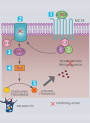
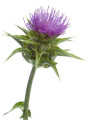

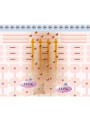
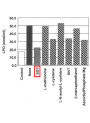
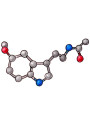
What is the difference between Melatonin Forte™ and Pure-Melatonin™, and can topical application of Melatonin cause hair growth on areas other than the scalp?
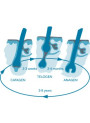
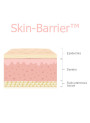
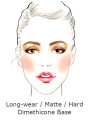
How can I add Silicone Film (Long-Wear, Hard, Dimethicone Base) to a Skin-Barrier cream formula to make it last longer on very dry, flaky skin? What is the appropriate mixing method and usage percentage?
Can oil-soluble Bakuchiol be mixed directly with the O/W emulsifier Silk Lotion Maker in a formulation that does not contain an oil phase?
When using Fractionated Coconut Oil as a carrier for fragrance oil, is a fragrance fixative needed for long-lasting scent, and what is the recommended mixing ratio?
I intend to create a product with **anti-aging**, **whitening**, and moisturizing properties, with a slightly viscous serum texture, using the following ingredients: * Lactobacillus Ferment Lysate 3% * Repair Activator 10% * Galactomyces Ferment Filtrate 40% * beta glucan 5% * 8D Hya 10% * water lock 1% * MOIST24 5% * 4MSK 3% * Tranexamic Acid 3% * Laurocapram water soluble 2% * Mild Preservative 1% * DI Water to 100% Are the ingredients compatible? Are there any ingredients that should be added or removed? I have purchased some ingredients that have a bad smell and want to add fragrance to adjust the smell in the formula. What type of fragrance should I use to scent it? Thank you.