Browse Questions and Answers
Avg response: 24 HrsFilter Questions
20 of 14240 results
Regarding the information for Dipropylene Glycol, specifically the statement: > Heat resistance: Do not heat more than 80 degrees. Could you please clarify whether the temperature unit referred to is degrees Celsius or Fahrenheit? I plan to add Dipropylene Glycol with Fragrance oil to my melt and pour soap and want to ensure I do not add it when the soap base is too hot.

Regarding shampoo formulations in Thailand, I would like to know: * Can shampoo be registered as a cosmetic product? * Are there percentage limits for ingredient usage? I previously understood that it might need to be registered as a drug. Could you please clarify?
I am working on a pressed powder formula and am experiencing issues with poor longevity, especially around the nose, and insufficient coverage. I have a powder press and a mixer available. Could you please provide advice on how to improve the formula based on the ingredients listed below? **Current Formula:** * Silk Talc Powder (Silane Coated) - 33.59% * Silk Sericite Powder (Matte, Silane Coated) - 45.90% * Titanium Dioxide 200nm EasyDisperse™ - 5% * AminoSilk™ (Lauroyl lysine) - 2% * MatteSilica™ (Silica ดูดซับความมันผิว) - 1.5% * Polymethylsilsesquioxane 2microns (Soft-Focus / Matte) - 0.5% * WhiteMatte3™ (Boron Nitride 3micron) - 2.5% * Magnesium Stearate - 1% * Preservative (powder form) - 1% * Color (Iron Oxides Red, Iron Oxides Yellow, Iron Oxides Black - Ultra-fine, Silane-Coated) - n/a * Dimethicone (Medium/350, Low-Odor) - 2% * Silicone Film (Long-Wear, Hard, Dimethicone Base) - 2% * Cyclomethicone / Cyclopentasiloxane (Low-Odor) - 3%


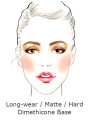
I am trying to make the Day & Night Cream by BF formula. I followed the instructions provided below the formula, but the mixture did not form a cream texture. Could you please advise on potential issues or provide more detailed mixing steps?
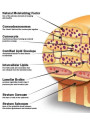
Regarding the ingredient "Natural Moisturizing Amino Acids", which contains Methyl Paraben (0.25%) and Propyl Paraben (0.25%). Based on my research, the FDA allows the use of each paraben type up to 0.25% by weight. "Natural Moisturizing Amino Acids" has a recommended usage rate of 0.5-5% (3-5% for skin and 0.5-1% for leave-on hair products). If I use "Natural Moisturizing Amino Acids" at 5% in a 100g formulation, what percentage of Methyl Paraben and Propyl Paraben will be in my formula? Please help with the calculation.
Based on the previous discussion about using Cyclomethicone to dissolve fragrance, I would like to try making a shower oil formula with a very lightweight texture. Is the following formula feasible? 1. Oil Soap 25% 2. Cyclomethicone 50% 3. Fractionated Coconut Oil 10% 4. Oil Blender 3.5% 5. Tocopheryl Acetate 0.5% 6. Ethylhexyl Salicylate 1% 7. Fragrance 10%
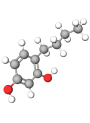
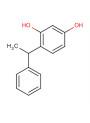
I would like to inquire about Sym-White (Phenylethyl Resorcinol) and Activated Resorcinol (4-Butyl Resorcinol). 1. Which one has higher efficacy in reducing pigmentation? 2. For Sym-White (Phenylethyl Resorcinol), is it added in the final step of the solution (where the solution must contain an oil component)? And for Activated Resorcinol (4-Butyl Resorcinol), should it be completely dissolved in oil first before use? Thank you.
Could you please advise on the recommended concentration for using Retinol and Retinyl Palmitate in a body lotion formula? If both ingredients are included, what should the concentration of each be to avoid irritation? The base formula is: Water (Aqua), Cocos Nucifera (Coconut) Oil, Caprylic/capric triglyceride, Octyldodecyl Myristate, Dimethicone, Glycerin, PEG-8 Beeswax, Retinol, Macadamia Ternifolia Seed Oil, Vitis Vinifera (Grape) Seed Oil, Allantoin, ascorbic acid, retinyl palmitate, Tocopheryl Acetate, Glyceryl stearate, Cetyl Alcohol, Ceteth-20, Steareth-20, Polymethyl methacrylate, Acrylates/Acrylamide Copolymer, Polysorbate 85, Tricaprylin, mineral oil, BHT, Phenoxyethanol, Fragrance (Parfum).
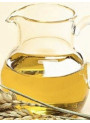
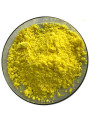
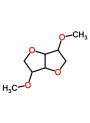
I have several questions regarding cosmetic formulation: 1. What is the appropriate usage percentage for Papain to achieve good effectiveness without causing excessive irritation? 2. Could you recommend the usage percentage for Dimethyl Isosorbide (DMI) when used with Sym White 0.5%? 3. Between Xanthan Gum and Hydroxyethyl Cellulose, which ingredient, when used to thicken/gel a formula, provides a light, non-sticky texture that absorbs well into the skin? 4. Could you recommend the usage percentage for Diglycerin to provide skin hydration when used together with Double Hyaluron 2%? Thank you.


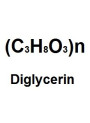

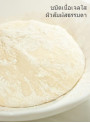
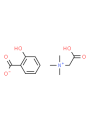
Are the following ingredients sensitive to light? * Ethyl Ascorbic acid (Vitamin C Ethyl Ether) * SalicSoft® (Betaine Salicylate)
# Body Sunscreen Formulation for Rub-off Resistance (No Dark Fabric Staining) I have formulated a body sunscreen focusing on rub-off resistance and not staining dark fabrics. The formula is as follows: **Formula (%)** 1. Isododecane....................20 2. Microcrystalline Wax..........15 3. Oil Film..............................20 4. SiliSolve Plus......................2 5. Silicone Gel........................5 6. Cyclomethicone..................6 7. Silicone Blender..................3 8. TiO2 liq 10% + TiO2 powder 3% 9. ZnO liq 10% + ZnO powder 3% 10. Polyhydroxystearic acid.....3 **Procedure:** 1. Heat ingredients 2, 3, and 5 until melted. 2. Add other ingredients after step 1 is melted. **Questions:** 1. After melting step 1, there is a white residue floating on the surface. When touched, it is sticky and clumpy, similar to glue. (I am sure it is not due to insufficient melting temperature). I am unsure if this is Microcrystalline Wax. 2. In sunscreen formulas that use Oil Film to prevent rub-off, what alternatives can be used besides Microcrystalline Wax that also help disperse physical sunscreen and maintain stability? 3. Since I was unsure which ingredients could be mixed in step 1 (using heat), I only included 3 ingredients. Which ingredients in the formula can actually withstand heat? 4. In this formula, I chose to use volatile substances like Isododecane and Cyclomethicone, hoping they would dissolve the powdered sunscreen actives and then evaporate after application, thus not including Silicone Gel, Isohexadecane, or Dimethicone in the formula. I assumed that having silicones/non-volatile substances would make the cream more likely to rub off and stain dark clothes compared to volatile substances. Is this assumption correct? Please provide suggestions. 5. This formula leaves more white cast on the skin compared to a formula using Vinyl Film, as shown below: **Comparison Formula (%):** 1. Titanium Dioxide 200nm.....3% (liquid 10%) 2. Zinc Oxide 200nm .............3% (liquid 10%) 3. Silicone Blender (to emulsify various silicones).3% 4. Vinyl Film..............................................10% 5. Silicone Gel (Ultra Clear)...........................29% 6. Cyclomethicone........................................29% 7. Polyhydroxystearic acid..............................3% What causes the white cast in my first formula? The formula using Vinyl Film does not leave a white cast. However, based on rub-off resistance testing, I prefer Oil Film > Vinyl Film > Silicone Film. Does this align with your team's opinion? Thank you.
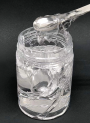
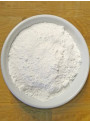
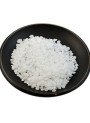
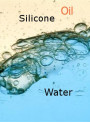

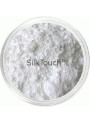
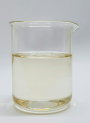
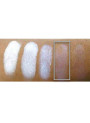
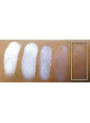
I made a formula with the following ingredients: * 5% Cholesterol * 2% Tribehenin * 86% shea butter ultrasoft * 7% Squalane The procedure was to mix Cholesterol, Tribehenin, and shea butter, heat until melted, then add Squalane. After mixing, I observed salt-like crystals that did not dissolve, even when reheating only the sediment from the beaker. I suspect this might be ingredient #1 (Cholesterol) and it doesn't seem to be due to insufficient heating. My questions are: 1. Are the crystals from Cholesterol? If so, what are they? 2. If shea butter is heated to a high temperature to dissolve Cholesterol, will its properties change significantly? 3. Could you please suggest a list of high-temperature resistant oils, besides Fractionated Coconut Oil, from the Natural Oil category? Thank you in advance.
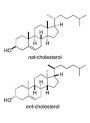
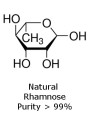
I would like to request a custom formulation for a light, watery essence (`น้ำตบ`) to be used as the first step after cleansing. My skin type is oily and dehydrated, with rough texture and large pores due to being over 40. I also experience occasional acne breakouts related to hormones and dust. I would like to order the following formulation: * Distilled Water: 70.7% * Hyaluronic Acid (Small Molecule): 0.1% * Hyaluronic Acid (Standard Molecule): 0.1% * Hyaluronic Acid (Large Molecule): 0.1% * Hyaluronic Acid (Japan): 1% * Olive Extract (Hydroxytyrosol , Oleuropein): 2% * Grape Seed Extract (Proanthocyanidins): 0.5% * Superoxide Dismutase (SOD): 0.5% * Rhamnose: 1% * Panthenol (Pro Vitamin B5): 1% * Calendula Extract (Water Soluble): 5% * Marine Plankton (Lifting, Tightening): 2% * Palmaria Palmata Extract: 5% * Cucumber Extract: 5% * Diglycerin: 1% * Dimethyl Isosorbide (DMI): 3% * Odor-Kill™ (ละลายน้ำ): 1% * Mild Preserved Eco™: 1% Thank you.




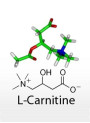
I am asking about a serum formula for oily skin. I am 30 years old with oily skin, clogged pores, and occasional inflamed acne. I would like a serum with a light, non-heavy texture that absorbs easily. Here is the list of ingredients: **Oil Phase:** 1. Cerasoft 4% 2. Activated Resorcinol 1% 3. Phytosphingosine 1% 4. Light Lotion Maker 1% **Water Phase:** 5. Panthenol B5 3% 6. Licochalcone A 2% 7. Sebum-Reg 2% 8. L-Carnitine 3% 9. Mild Preserved Eco 1% 10. Disodium EDTA 0.20% 11. Dimethyl Isosorbide (DMI) 3% 12. Zinc PCA 1% 13. Pro Polymer 1.50% 14. Distilled Water 23.30% 15. Pitera 50% **Insoluble Phase:** 16. Encapsulated Salicylic Acid (Powder) 4% (Note: I already use a Niacinamide serum separately, so it is not included here.) **Proposed Mixing Method:** (1) Combine the oil phase ingredients (1-4) and stir until dissolved. Set aside. (2) Combine Distilled Water + Pitera + Pro Polymer and stir until fully dissolved. Then add the water phase ingredients (5-11) and stir until combined, keeping Zinc PCA (an electrolyte) aside to be added last. (3) Gradually add the water phase (from step 2) into the oil phase (from step 1) little by little, stirring to combine. (4) Add Encapsulated Salicylic Acid (Powder) (16) in the final step. Stir to disperse it throughout the solution. I intend to make this at home without temperature measurement equipment, so I tried to select ingredients that do not require heat. I would like to ask the following questions: 1. Will there be any problems during mixing with this formula? Are there any incompatible ingredients? 2. Regarding mixing step (2), after the Pro Polymer is fully dissolved, can I add Zinc PCA immediately, and then gradually add the water phase ingredients (5-11)? I understand that electrolytes will make the solution less viscous. Will this help the water phase ingredients (5-11) dissolve more easily? Or should Zinc PCA be added last as originally planned? 3. Will there be issues with stickiness after applying it to the face? 4. Are the Emulsifier and Thickener (Light Lotion Maker and Pro Polymer) suitable for this case (is this considered Oil-in-Water)? Or does the Staff recommend any other alternatives that can emulsify oil with water and still maintain a somewhat liquid, fast-drying serum texture that is not a thick gel and can be used alone? (Based on my observations, most emulsifiers/thickeners combine oil and water to form a cream texture, but I want a light, liquid serum texture.) Thank you very much.
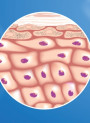
I would like to request a review of a serum formulation plan for daily use (morning and evening), using Pitera as the main base. The planned ingredients are: 1. Galactomyces Ferment Filtrate (aka. Pitera) 2. GlucoBright™ (Acetyl glucosamine) 3. Safe-B3™ (Vitamin B3, Niacinamide, Switzerland) 4. Wakame Extract (Brown Sea Weed) 5. Alpha Arbutin (China, Enzymatic Synthesis) 6. Sym-White™ (Phenylethyl Resorcinol) 7. Yeast Radiance™ 8. Brewery Yeast Can you recommend any additional ingredients? Is a penetration enhancer necessary for this formula? If so, please recommend one. Thank you.
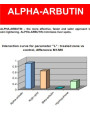
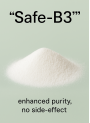
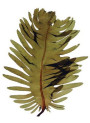


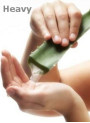
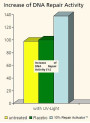
Please review the following formulation for a serum/gel: * `Galactomyces Ferment Filtrate` 35% * `Repair Activator™` 15% * `Aloe Vera Gel (Heavy)` 50% Thank you in advance.
What are the functions of the following cosmetic ingredients? * Allantoin * Benzophenone-3 * C12-15 alkyl benzoate * GYLCERYL STEARATE * HYDROGENATED POLYDECENE * PEG-100 STEARATE * Phenoxyethanol * Propylene Glycol * SODIUM POLYACRYLOYLDIMETHYL TAURATE * STEARIC ACID * TITANIUM DIOXIDE * TRIDECETH-10 * WATER * CI77492 * CI77491 * Dimethicone * CI77891
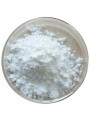
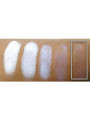
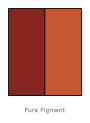
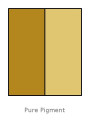
Can Aloe Vera Gel (Heavy) and Panthenol (Vitamin B5) ExtraLite™ be mixed 1:1 (half and half) for body application?
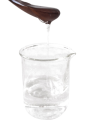
I am planning to order **Aloe Vera Gel (Heavy)** and **Panthenol (Vitamin B5) ExtraLite™**. I would like to know if these two ingredients can be mixed together directly at a 1:1 ratio (half and half) for use on the body?
Hello, Can this formula be used? If yes, please provide instructions on how to mix this formula. **Desired product properties:** * Easy to spread * Light texture * Fast absorption * Helps skin retain moisture well and for a long time * Non-irritating * Focuses on skin brightening **Skin type:** * Sun-damaged skin * Dry, but not peeling, flaky, or cracked **Proposed Formula:** 1. DI Water: Remaining percentage to reach 100% 2. Safe-B3: 5% 3. GlucoBright: 4% 4. Alpha Arbutin: 1% 5. Lactic Acid (AHA) 90% Deodorized: 5% 6. Active Resveratrol: 5% 7. Satin Cream Maker: 1% 8. Shea Butter (Ultra Soft): 5% 9. Cyclomethicone / Cyclopentasiloxane (Low-Odor): 1% 10. Mild Preserved Eco™: 1%