Browse Questions and Answers
Avg response: 24 HrsFilter Questions
20 of 14238 results
Regarding the powder milling machine for making loose powder, I have read the description which mentions needing to see a demonstration of correct usage. 1. Is there a video demonstration available? I am located in a different province and cannot conveniently visit for a demonstration. 2. Can the machine be disassembled for cleaning? I previously used a coffee grinder and could not remove the blades for cleaning. Thank you.
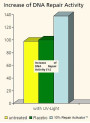
Based on the initial conversation, the user wants to know if mixing the following ingredients at the specified percentages is acceptable, and if any additional ingredients are needed: * Pitera 82.6% * Repair Activator 12.4% * Marine Plankton 2.5% * 4MSK 2.5%
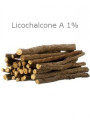
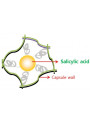
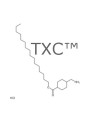
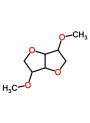
I want to focus on treating melasma and brightening the skin. I have modified some ingredients from the original "Day & Night Cream by BF" formula. Please review the following formulation: 1. Alpha Arbutin (China, Enzymatic Synthesis): 2.00% 2. Tranexamic Acid: 3.00% 3. Undecylenoyl Phenylalanine: 2.00% 4. Safe-B3™ (Vitamin B3, Niacinamide): 6.00% 5. GlucoBright™ (Acetyl glucosamine): 4.00% 6. Kojic Acid Dipalmitate: 4.00% 7. Yeast Radiance™ (AQUA, Glycerin, HYDROLYZED YEAST PROTEIN, sodium benzoate): 3.00% 8. 4MSK (Potassium Methoxysalicylate): 0.50% 9. Deoxyarbutin (D-Arbutin) (TETRAHYDROPYRANYLOXY PHENOL): 0.50% 10. Licorice Extract (Licochalcone A 1%) (Butylene Glycol, PPG-6-DECYLTETRADECETH-30, AQUA, LICORICE ROOT EXTRACT): 1.00% 11. Complex Salicylic Acid (Powder, Water-Soluble) (Salicylic Acid, AMYLOPECTIN, DEXTRIN, Xanthan Gum): 2.00% 12. Distilled Water (AQUA): 48.30% 13. Dimethyl Isosorbide (DMI): 3.00% 14. Light Lotion Maker (GLYCERYL OLEATE CITRATE, Caprylic/capric triglyceride): 4.00% 15. Phospholipid (Hydrogenated Lecithin): 2.00% 16. Xanthan Gum (Clear Gel type, smooth texture, non-stretchy): 0.50% 17. Silicone Gel (Ultra Clear) (Cyclopentasiloxane, Dimethicone/VINYL Dimethicone CROSSPOLYMER): 7.00% 18. Mild Preserved Eco™ (Ethylhexylglycerin) (Propanediol, Ethylhexylglycerin): 1.00% 19. Disodium EDTA: 0.20% 20. Butylene Glycol: 3.00% 21. TXC™ (Cetyl Tranexamate HCl): 3.00%
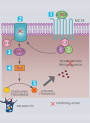
I would like to inquire about formulating a Pure Vitamin C Serum + Hya + Peptide. I have the following questions: * If I want to dissolve L-ascorbic acid in Glycols, do you have recommendations on which type of Glycols should be chosen? * What is the difference between Vitamin C (L-ascorbic acid) Fine and Ultra-Fine grades? * Could you recommend other ingredients that should be used to produce a Pure Vitamin C Serum + Hya + Peptide, in a serum texture similar to Cellular RX and Pure Vitamin C Some By mi?
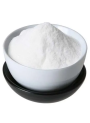
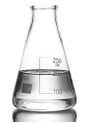
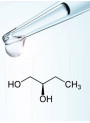

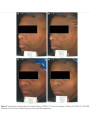

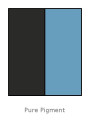
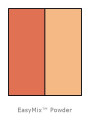
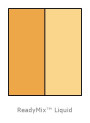
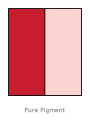
What is the difference between `Lake EasyMix` and `PIGMENT COLOR lake` pigments? Which one is better, and what are they made from?
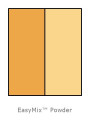
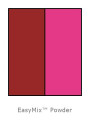
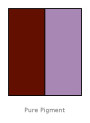
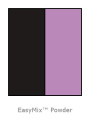
Is `Glyceryl Monooleate` available? What are its potential uses or alternatives?
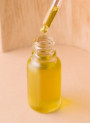
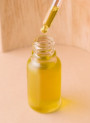
I want to make an oil-free serum with Ethyl Ascorbic acid. However, I need to include Protec™ OX and Protec™ UV in the formula to help protect Vitamin C. Do I need to add oil to the formula to dissolve these two ingredients? And what should I use as a solubilizer? I have Polysorbate 20 (Tween 20) and PEG-40 Hydrogenated Castor Oil. Can these be used? Or are these two only suitable for solubilizing Fragrance?
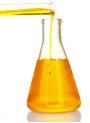
Regarding the SemiColor - Red Brown hair dye, I would like to ask the following: * When this hair dye is added to shampoo or conditioner, do I need to wear gloves when using it? * Will it cause irritation to the scalp? * Does it cause hair loss? * Can it be used in leave-on products? Thank you.
Regarding **Horse Oil**: * Can it be used directly on the skin without mixing with other ingredients? * If it needs to be mixed, what should it be mixed with?
I would like to know if these active ingredients can be mixed together. This is because the pH values between AsA and MAP are different. (Vitamin C + Hya + Peptide Serum) Or should I increase AsA to 15% and remove MAP? What is the best approach? I want to achieve the best results for skin whitening and wrinkle reduction before proceeding with formula development. The intended ingredients are: * L-ascorbic acid 10% * Magnesium Ascorbyl Phosphate 5% * Acetyl Hexapeptide-8 2% * Sodium Hyaluronate 25% Should I inform the R&D team to add: * Vitamin E or * Ferulic Acid and * EDTA 0.2% as well? Note: The serum should be a clear gel texture, with no color, fragrance, or alcohol. Note 2: For packaging, should the serum be stored in a dark amber dropper bottle or a dark amber plastic pump bottle? Apologies if I cannot provide details on all other ingredients, as the manufacturer only informed me about the active ingredients.
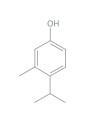
I have created a homemade formula (for body use, targeting dryness and itching from AC) and have been using it for over 3 months with positive results (reduced itching, improved dark spots, smoother skin). The formula's pH is around 5. My formula is as follows: 1. HydroAlgae™ 2% 2. Phospholipid 3% 3. Fucus vesiculosus extract 8% 4. Oat Avenanthramides 5% 5. Niacinamide 6% 6. Acetyl glucosamine 3% 7. Ethyl Ascorbic acid 3% 8. Squalane 20% 9. German Chamomile Extract 1% 10. Tocotrienols 1% 11. Dimethyl Isosorbide 5% 15. 1,3-Propanediol 5% 17. Alaria Esculenta Extract 1% 18. Madecassoside 80% 0.5% 19. Phytosphingosine 1% 20. Tetrahydrocurcuminoids 0.3% 19. Light Lotion Maker 4% 20. Carboxymethyl cellulose 0.5% 21. Phytic Acid 0.2% 22. Mild Preserved 1% 23. o-Cymen-5-ol 0.1% 24. Water up to 100% Note: The formula contains a Vitamin C derivative (Ethyl Ascorbic Acid) and Niacinamide. I previously understood these shouldn't be used together, but based on some commercial creams combining a Vitamin C form with B3 and adjusting the pH accordingly, I decided to try this. My questions are: * Given the positive skin changes observed over 3+ months, does this indicate the formula is still effective? * The texture remains consistent (slight color from Tocotrienols), with no separation (though there might be some sediment at the bottom). Does this mean the formula is stable? * Does the use of Carboxymethyl cellulose (CMC) contribute to the formula's stability? * Could you please provide your opinion on this formula?


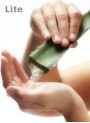
I am formulating a gel with the following ingredients: * Aloevera gel(lite) 120g. * Olive Oil water 5g. * Sym White 1g. * Ume Extract 2g. * B3 Swiss 10g. * Acetyl glucosamine 5g. * Tranexamic Acid 3g. I have the following questions: 1. Can these ingredients be mixed by hand stirring? 2. Is the mixing order of combining ingredients 1+2+4+5+6+7 first, then adding Sym White at the end correct? 3. I am considering choosing between Sym White and Activated Resorcinol. Which one is expected to yield better results for skin brightening?
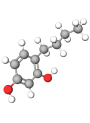
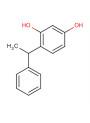
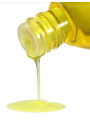
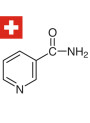
I would like to ask if the **Water-Soluble Cosmetic Colors** sold here can be mixed with compounds like `ethanol` and `Distilled Water`. I am planning to make a liquid product for scalp application and need to add color for aesthetic purposes, as the main ingredients are colorless. Therefore, I want to ask if the **Water-Soluble** colors sold here can be used for mixing, and if they will stain the scalp or skin when applied?
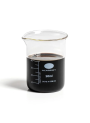




I want to formulate a physical sunscreen SPF 50 PA+++ that has a lightweight, serum-like base, is waterproof, contains some nourishing ingredients, absorbs oil, and provides slight coverage. Can I use the following ingredients and percentages? **Emulsifier System:** * 4% Light Lotion Maker * 5% Silicone Gel (Ultra Clear) * 5% Dimethicone 1Secs * 1% Pro Polymer™ **Oil Absorption and Coverage:** * 3% SelectSorb™ * 5% QuikBlur™ **Waterproofing:** * 3% WaterGuard™ Ultra **Sunscreen Actives:** * 10% Titanium Dioxide 15nm Liquid (Gloss) * 10% Zinc Oxide 35nm Liquid * 5% PMMA Booster **Color:** * 0.3% Beige Iron Oxides EasyMix™ * For different skin tones, what percentage should I use? **Nourishing and Antioxidant Ingredients:** * 3% Squalane * 2% Niacinamide * 1% ActiveProtec™ * 1% Ethyl Ferulate * 0.5% Magnesium Ascorbyl Phosphate * 0.1% Calcium Pantothenate * 0.05% Coenzyme Q10 **Preservation System:** * 3% 1,2-Hexanediol * 1% Mild Preserved Eco™ * 0.2% Disodium EDTA
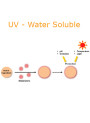
Hello, **User's Skin Type:** Oily skin with occasional clogged pores, approaching age 40, and wants to address wrinkles. **Goal:** To make a homemade serum (not for sale) without a mixer or heating equipment. **Proposed Formulation:** **Oil Phase:** 1. Bakuchiol 2% 2. LipidSoft™ Dry II 7% **Water Phase:** 3. ActiveRelease Retinal™ 5% 4. Pep®-Coll 5% 5. Argireline 10% 6. Encapsulated Salicylic Acid (Powder, Timed-Release) 4% 7. Phospholipid 1% 8. Dimethyl Isosorbide (DMI) 3% 9. Disodium EDTA 0.20% 10. Satin Cream Maker 1% 11. Water 61.80% **Proposed Mixing Steps:** 1. Mix the Water phase ingredients together (except ActiveRelease Retinal™ and Encapsulated Salicylic Acid, which will be added last as they disperse, not dissolve). 2. Mix the Oil phase ingredients together, then slowly pour into the Water phase little by little, stirring to combine. 3. Mix ActiveRelease Retinal™ and Encapsulated Salicylic Acid into the formula, stirring to disperse thoroughly. 4. Store in an opaque container because ActiveProtec or Protec UV were not included. **Questions:** 1. Are there any incompatible ingredients in the formula above (e.g., ingredients that might cause problems during mixing)? 2. The desired texture is soft, smooth, lightweight, and fast-absorbing. Is this achievable with the proposed ingredients? (Want to avoid silicones, hence using LipidSoft™ Dry II instead). 3. Are there any special precautions needed during the mixing steps? Thank you for all your advice.

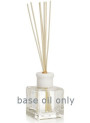
I want to mix a Reed Diffuser using **Reed Diffuser Base (Type 1)** and **Essential Oil** from Hong Huat store. I have questions about: * The mixing process. * The evaporation rate of the mixture. * Factors that influence the evaporation speed.
Hello, I would like to ask for more information. I want to make a Cool Oil from Essential Oils that can be inhaled to relieve dizziness, provide a fresh and relaxing scent, and can also be applied to the skin, temples, or other points on the body to reduce aches and fatigue, and also contain skin nourishing vitamins. 1. For the ingredients, I would like to include: * Essential Oils * Which oil is recommended as the carrier oil? Is Jojoba Oil suitable? Because it contains Vitamin E. * If I want to increase the cooling sensation, can I add Menthol Crystals? * Are there any other ingredients needed? 2. Do you have a recommended formula, including the required quantities and ratios? Could you please provide some guidance? Thank you very much.
Please analyze the following ingredient list for a cosmetic formulation: * WATER/AQUA * pentylene glycol * 1,2-Hexanediol * Propanediol * Glycerin * Sodium Hyaluronate CROSSPOLYMER * HYDROLYZED Glycosaminoglycans * Sodium Hyaluronate * HYDROLYZED Hyaluronic Acid * Hyaluronic Acid * BENZYL GLYCOL * Ethylhexylglycerin * RASPBERRY KETONE * Panthenol * Centella Asiatica Extract * Madecassoside * Allantoin * Xylitol * MYRISTOYL/PALMITOYL OXOSTEARAMIDE/ARACHAMIDE MEA * Ceramide 3 * Disodium EDTA * Carbomer * Arginine * Zinc Hyaluronate * 4D Hyaluronic Acid * Centella Acids (Madecassic Acid, Asiatic Acid) * Ceracare™ Liposome-3
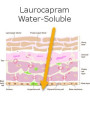
What term should be used in the **FUNCTION** field for `Laurocapram (Water Soluble)` when registering with the FDA (อย.)?
I am looking for a serum that focuses on skin rejuvenation, wrinkle reduction, increasing moisture, and brightening. My skin type is combination with some freckles. I would like the serum texture to be neither too thick nor too thin. Can the following formula be mixed? * Galactomyces Ferment Filtrate (aka. Pitera) 40% * Repair Activator 10% * Safe-B3 (Vitamin B3, Niacinamide) 5% * GlucoBright (Acetyl glucosamine) 4% * Activated Resorcinol 1% * Acetyl Hexapeptide-8 (Argireline) 3% * Pal-GHK, Pal-GQPR (eq. Matrixyl 3000) 5% * MOIST24 5% * Allantoin 0.5% * Odor-Kill 1% * Satin Cream Maker 1.5% * Distilled water 24%