Browse Questions and Answers
Avg response: 24 HrsFilter Questions
20 of 14239 results
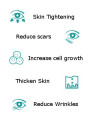
I would like to create a serum for skin nourishment and **wrinkle reduction**, but I am unsure about ingredient compatibility. Could you please review the following formulation and provide suggestions, especially regarding how to achieve a non-sticky, comfortable texture? Here is the proposed formulation: * 4D Hyaluronic: 10% * Argireline: 10% * Safe B3: 5% * Panthenol: 1% * Pep- coll: 3% * Ectoin: 2% * Co enz Q. 10: 0.5% * Copper Peptide: 3% * Vitamin C ultrafine: 5% * Ferulic Acid: 1% * Vitamin E dl Tocopherol: 1% * Xanthan Gum: 0.5% * Skintight: 3% * Pitera: 20% * Dimethyl Isosorbide: 3% * Aqua: 32% Total: 100% I want a serum that is not sticky and feels comfortable on the skin. What adjustments should be made?

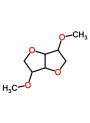
Could you please advise on how to make shower oil? I have dry skin and would like to make it for personal use. Thank you.
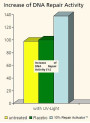
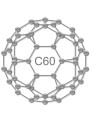
1. I would like to ask about `fullerene`. Does MySkinRecipes not sell `fullerene`? Are there any alternative ingredients that can be used instead? 2. For serums containing `growth factor` as an ingredient, do the staff have recommendations for types of ingredients that are `growth factor`? Thank you.
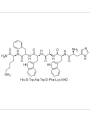
I am trying to make 20 liters of shampoo using the following formula: * N70: 1 kg * Thickener Powder: 1 kg * Lanolin: 500 g * Water: 17.5 liters I mixed the N70 and Thickener Powder first, then gradually added water until it was all incorporated. At this stage, there was no problem; the mixture was cloudy and thick. However, when I added the Lanolin, which I had dissolved in warm water beforehand, to the first mixture, it turned from cloudy and thick to yellow and clear. Adding more Thickener Powder did not make it thick again; it remained yellow and clear. The entire 20 liters were ruined. I am new to making shampoo and am unsure what step I missed or did incorrectly.
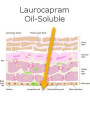
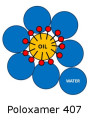
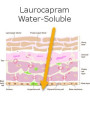
I want to modify the Vitamin C E Ferulic serum formula with the following desired properties: 1. Light, liquid, clear texture 2. pH 3.5 3. Good electrolyte tolerance (because the formula contains Calcium Pantothenate) 4. Fast absorption, non-sticky (for use before makeup in the morning) I have some questions: 1. Can the following five solvents be used together? Are they sufficient to completely dissolve Vitamin C 15%? * Isopentyldiol 12% * Dimethyl Isosorbide (DMI) 5% * Ethoxydiglycol 3% (used to dissolve Ferulic Acid 1%) * Butylene Glycol 3% (used to dissolve Licorice Extract (Glabridin 90%)) * Glycerin 2% (I'd prefer not to use this as Isopentyldiol is used instead. Can I remove it?) 2. The formula contains about 9% oil-soluble ingredients, but I do not want to use Laureth-23 as it makes the cream thick and sticky. Which of the following options should I choose to achieve a light, liquid, clear texture? * Silk Lotion Maker + Polysorbate 80 (Tween 80) * Silky Serum Base Plus (Face/Eye, Oil) (The less water, the more liquid the texture) * Poloxamer 407 (if I want to add fragrance to mask DMI odor) * Flora Solve™ Clear (if I want to add fragrance to mask DMI odor) * Steareth-21 * PEG-20 Methyl Glucose Sesquistearate + Methyl Glucose Sesquistearate ***I am unsure which one to choose. If the staff knows of any other more suitable Emulsifier, please recommend. 3. What is HLB? I see this property listed for almost every Emulsifier. 4. I am confused about using Laurocapram. * Laurocapram water states: *Suitable only for formulas containing water-soluble active substances.* * Laurocapram oil states: *Suitable only for formulas containing oil-soluble active substances.* ***Does this mean that if a formula contains active substances soluble in both water and oil, and requires cream emulsification, neither type of Laurocapram should be used because it affects another carrier? 5. I want to try using the carrier Nano Gold (Nanocarrier, Colloidal Gold 1-50nm). Is it suitable for a liquid cream texture? Will it precipitate? Is it difficult to dissolve? Does this carrier have any restrictions on use with other substances? I want to use it, but it is very expensive, so I am asking in detail. I am afraid of buying it and not being able to use it effectively.
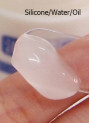
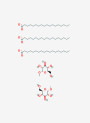
Is Silicone Blend (Heave&Silky) discontinued? I wanted to make the silk cream from the example formula in the product details, but I can't find this product. Are there any substitutes available?
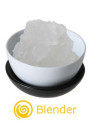
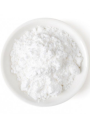
I am currently making liquid blush and want to modify the formula. The current formula is as follows: * Aqua 47% * Butylene Glycol 5% * Mild Preserved Eco 1% * Phenoxyethanol SA 1% * Cyclopentasiloxane 20% * Dimethicone 3% * Silicone Shine 4% * Hectorite Gel 2.5% * Silicone Gel 3% * SiliSolve Plus 1.5% * Color group easy mix and various texture-adjusting powders qs. I would like to know: 1. Can I replace ingredients #8 (Hectorite Gel) and #10 (SiliSolve Plus) with Warp Cream Maker? If yes, what percentage should I use? 2. If I reduce silicone like Cyclopentasiloxane and add more from the lipid soft group, can I still use Warp Cream Maker? What are the maximum percentages of oil, silicone, and water that this ingredient can emulsify?
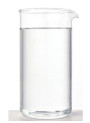
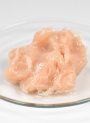

I need advice on making a clear gel mascara for brows and lashes transparent. What should I add to the formula? I made a batch, and it turned out cloudy, like rice water. Here is the approximate formula: * DI Water: 70 % * Polyester Film: 26% * AnyGel™: 1% * Mild Preserved Eco: 1% * Pro Vitamin B5: 1% * Aloe Vera Extract: 1% Please advise.
Here are my questions regarding L-ascorbic acid and Dimethyl Isosorbide (DMI): 1. Is it possible to dissolve **L-ascorbic acid** (Ultra-Fine) in a base containing only **Dimethyl Isosorbide**? For example: * `L-ascorbic acid (Ultra-Fine) 25%` * `Dimethyl Isosorbide 75%` 2. I read in the technical details that **Dimethyl Isosorbide** has a suitable pH range of 5-6.5, and staff have mentioned in various threads that glycols do not have a pH value. Therefore, will dissolving **ascorbic acid** in a **Dimethyl Isosorbide** base affect the efficacy of **ascorbic acid**? Please clarify. 3. I have been trying to find information about DMI formulation. Some foreign supplier websites indicate that it can be used in anhydrous formulas from 40%-90%. Will using DMI at such high levels cause toxicity or any negative effects on the skin? Please provide clarification. Thank you very much!
Seeking recommendations for organic/natural ingredients to create a Mousse Foam Makeup Remover suitable for very sensitive skin, using natural/organic ingredients and avoiding harmful substances, specifically seeking alternatives or guidance regarding Preservatives and Fragrance.
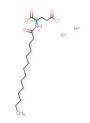
I am trying to make a pillow spray with a volume of 20ml. The formulation I used is: * Essential Oil (Grapefruit, Geranium, Vettiver) 1% (0.5ml.) * Flora Solve Clear 5% (1.5ml.) * DiWater 94% (18ml.) * Phenoxyethanol SA 1% (0.2ml.) My mixing steps were: 1. Mix Essential Oil (1) + Flora Solve Clear (2) until combined. 2. Add the mixture from step 1 to DiWater (3) and stir until combined. The solution started to become clear after a while. 3. Add Phenoxyethanol SA (4) and stir again. The solution became cloudy and did not become clear again. Could you please provide some advice? * Was my mixing procedure correct? * Why did the solution become cloudy again after adding the preservative? * How can I mix it to make the end product clear?

Hello, I want to make an oleogel using Dextrin Palmitate as the gelling agent and a mixture of Mineral Oil + Glycerin. I also want to include BHT to prevent the oil from going rancid. I would like to know the required percentage for each ingredient. I need a gel with an oil base, without other active ingredients, for use in future research where I will add extracts.
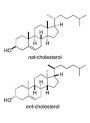
I would like to order a custom serum formulation for anti-aging and skin strengthening. * User profile: 40 years old, oily skin, wrinkles, rough skin due to age, large pores, clogged pores, dark spots. * If I want the serum texture to be a gel to be lightweight and suitable for oily skin, can it be formulated? * Can `Retinal (Retinaldehyde)` and `Ethyl Ascorbic acid` be in the same formula? * If the formula contains `Ethyl Ascorbic acid`, can it be applied after a serum containing `Niacinamide`? * Can this formula be produced? Most ingredients need to be dissolved in oil, but the team previously advised that oily skin should not have oil in the formula. However, I have tried peptides and haven't seen much effect for someone aged 40, so I want to try retinol. But retinol in finished products usually contains a lot of oil and Silicone, which doesn't seem suitable for oily skin, so I want to produce it myself. * The proposed formula is as follows. Please advise: * `น้ำกลั่น` 75.37% * `Retinal (Retinaldehyde)` 0.05% * `Protec™ OX` 0.05% * `Protec™ UV` 0.03% * `Protec™ SQ` 3% * `Ethyl Ascorbic acid` 3% * `Cholesterol` 3% * `Ceramide 2` (`Ceramide NG`) 1% * `Hyaluronic Acid` (Small Molecule) 0.1% * `Resveratrol LongMax™` 2% * `Phytosphingosine SA` 0.2% * `Dipotassium Glycyrrhizate` 1% * `Panthenol (Pro Vitamin B5)` 1% * `LipidSoft™ F (Ethyl Linoleate)` 1% * `Tocotrienols` 2% * `PPG-3 Myristyl Ether` 3% * `Ethoxydiglycol` 2% * `Hydroxyethyl Cellulose` (HEC) 1% * `Disodium EDTA` 0.2% * `Mild Preserved Eco™` 1%
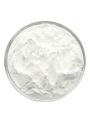
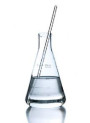
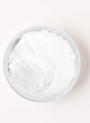

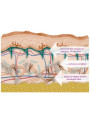

Regarding adjusting the texture of Galactomyces Ferment Filtrate: 1. Can it be diluted with water? 2. If diluted, will it reduce the quality of the ingredient?
I would like to know if I can use the following active ingredients at these percentages in a formulation, and I need guidance on the mixing procedure: Active Ingredients and Percentages: * Activated Resorcinol™ = 1% * Safe-B3™ (Vitamin B3, Niacinamide) = 4% * GlucoBright™ (Acetyl glucosamine) = 4% Please provide recommendations on the mixing procedure, specifically: * The formulation uses the following phases: * Phase A: Water-based ingredients * Phase B: A + Oil-based ingredients * Phase C: A + B + Active ingredients * Activated Resorcinol™ needs to be dissolved in oil. Should it be mixed in Phase A (after dissolving in oil) or Phase C? * Safe-B3™ (Vitamin B3, Niacinamide) dissolves in water. Can it be mixed directly into Phase C? * GlucoBright™ (Acetyl glucosamine) dissolves in water. Can it be mixed directly into Phase C?
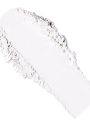
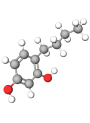
I would like to know if **Glyceryl Stearate Citrate** and **Silk Lotion Maker** can be mixed by hand.
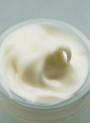
I mixed a cream according to the following formula, but the texture is very liquid, almost like water. I'm not sure why this is happening. **Formula:** 1. Sensitive Cream Maker™: 5% 2. Glyceryl Stearate Citrate: 3% 3. Copaiba Oil: 3% 4. Argan Oil: 3% 5. 1,2-Hexanediol: 3% 6. Aloe Vera Extract (extraction ratio 10:1 FullAssay™): 5% 7. Calendula Extract (Water Soluble): 5% 8. Panthenol (Pro Vitamin B5, DL-Panthenol, Powder): 5% 9. Safe-B3™ (Vitamin B3, Niacinamide): 5% 10. Bisabolol (Alpha Bisabolol): 1% 11. Para-Preserve (eq. Phenonip P4): 0.5% Water: Add to 100% **Mixing Procedure:** * A. Mix 1+2+3+4 water and heat to 80 degrees. * B. Heat water to 80 degrees. * Mix A+B until the temperature drops to 40 degrees (the texture remained liquid while stirring until cool). * C. Mix 6+7+8+9 in the reserved water. * Add C to A+B. * Add Bisabolol (Alpha Bisabolol). * Add Para-Preserve (eq. Phenonip P4). All ingredients were ordered from MySkinRecipes. I used an Overhead stirrer and a heating stirrer. Note: I previously asked about adding Aloe Vera Extract (extraction ratio 10:1 FullAssay™) to Sensitive Cream Maker™ and Glyceryl Stearate Citrate, and the team confirmed it was possible without issues.


I'm currently using Xanthan Gam in my herbal shampoo to increase viscosity. However, the texture doesn't disperse as well as typical commercial shampoos. I'd like to know what the resulting texture would be like if I added GuarCat™?
What are the considerations and challenges when combining the following ingredients in a single formulation: * Vitamin B3 * BHA * AHA * Allantoin Specifically, what are the compatibility issues, optimal working conditions (like pH), and formulation strategies for these ingredients?
I am making shampoo and can measure the final product in ml. I ordered an ingredient from MySkinRecipes which is a powder measured in grams. The formula states to add `0.2%`. How do I add this? How do I convert the percentage by weight to volume?