


“Direct baicalein evidence: protected HaCaT human skin keratinocytes from UVB-induced oxidative stress and apoptosis, supporting antioxidant/photoprotective claims.”
baicalein as a versatile cosmetic active for calming irritated skin, defending against photo-aging, accelerating repair and providing a gentle brightening effect—valuable in serums, after-sun gels, spot correctors and post-procedure balms.
| Benefit | Mechanistic highlights (skin-relevant) | Key evidence |
|---|---|---|
| Anti-inflammatory / soothing | Down-regulates NF-κB, MAPK and NLRP3 pathways → lower IL-1β, IL-6, TNF-α; comparable to low-dose dexamethasone in in-vivo models | Baicalin ultradeformable vesicles cut TPA-induced ear oedema in mice by ≈ 60 % (PubMed); baicalein hydrogel reduced UVB-triggered cytokines and erythema in mice (PMC) |
| Photoprotection & anti-photoaging | Strong ROS scavenger; inhibits MMP-1/9 expression, preserves collagen & elastin, limits UVB-induced angiogenesis | 12-week topical baicalein (0.1 %) on hairless mice cut wrinkle depth and tumour burden after chronic UVB (PubMed); baicalin cream lessened acute UVB erythema and lipid peroxidation (ScienceDirect) |
| Antioxidant shield | 3 adjacent hydroxyls in the A-ring give high radical-scavenging capacity; regenerates tocopherol | ROS and MDA levels fell > 40 % in UVB-irradiated keratinocytes treated with baicalein 10 µM (ScienceDirect) |
| Skin-brightening / anti-melanogenesis | Blocks p38-MAPK → suppresses MITF, TYR, TRP-2; direct tyrosinase inhibitor (Ki ≈ 3 µM) | Baicalein 20 µM cut α-MSH–induced melanin by 52 % in B16F10 cells and lightened UVB-tanned zebrafish skin (PMC) |
| Wound-healing & tissue regeneration | Promotes fibroblast migration, angiogenesis (VEGF up-regulation) and rapid re-epithelialisation | Topical baicalin 100 mg mL⁻¹ closed pressure-ulcer wounds 30 % faster and improved granulation in mice (PubMed); baicalin-polysaccharide hydrogel sped diabetic wound closure (ScienceDirect) |
| Anti-acne / antimicrobial | Suppresses P. acnes-triggered inflammasome activation; moderate MICs vs. S. aureus & C. acnes | Baicalin (10–40 µM) cut P. acnes-induced IL-1β & IL-8 in keratinocytes and eased ear swelling in vivo (PubMed) |
| Anti-psoriatic potential | Normalises keratinocyte hyper-proliferation; modulates TNF-α/VEGF signalling | Topical baicalin + echinacoside improved erythema and scaling in IMQ-induced psoriasis-like lesions in mice (PubMed) |
| Improved dermal delivery | Nanoliposomes, ultradeformable vesicles & thermosensitive gels boost stratum-corneum penetration while maintaining stability | Optimum baicalein nanoliposome (125 nm) raised skin deposition 2.8-fold vs. solution and enhanced anti-inflammatory efficacy (ScienceDirect) |
Use: The main ingredient in moisturizer products for sensitive skin, dry skin, aging skin, aging skin.
How to mix: Dissolve in suitable solvent before incorporating into the formulation
Utilization rate: 0.01-1% (0.5% recommended)
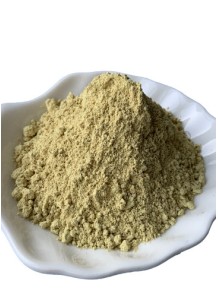
Product characteristics: White-light yellow powder
Solubility: It can dissolve in ethanol , propylene glycol
Storage: Valid for 24 months, please store in the refrigerator at 6 °C -8 °C Mixed cosmetics should be stored in the refrigerator.
INCI Name : Baicalein
| Test Name | Specification |
|---|---|
| Appearance | Yellow Powder |
| Odor | Characteristic |
| Taste | Characteristic |
| Bulk Density | 30-70g/100mL |
| Particle size | NLT 95% through 80 mesh |
| Assay | ≥98.0% |
| Identification | Correspond to the RS |
| Loss on drying | <5.0% |
| Ash | <5.0% |
| Total Heavy Metals | <10 ppm |
| Lead (Pb) | <0.5 ppm |
| Arsenic (As) | <2.0 ppm |
| Cadmium (Cd) | <0.1 ppm |
| Mercury (Hg) | <0.1 ppm |
| Aerobic bacterial count | <10,000 cfu/g |
| Total Yeast & Mold | <1,000 cfu/g |
| Escherichia coli | Negative |
| Salmonella | Negative |
| Staphlococcus | Negative |
No products
baicalein as a versatile cosmetic active for calming irritated skin, defending against photo-aging, accelerating repair and providing a gentle brightening effect—valuable in serums, after-sun gels, spot correctors and post-procedure balms.
| Benefit | Mechanistic highlights (skin-relevant) | Key evidence |
|---|---|---|
| Anti-inflammatory / soothing | Down-regulates NF-κB, MAPK and NLRP3 pathways → lower IL-1β, IL-6, TNF-α; comparable to low-dose dexamethasone in in-vivo models | Baicalin ultradeformable vesicles cut TPA-induced ear oedema in mice by ≈ 60 % (PubMed); baicalein hydrogel reduced UVB-triggered cytokines and erythema in mice (PMC) |
| Photoprotection & anti-photoaging | Strong ROS scavenger; inhibits MMP-1/9 expression, preserves collagen & elastin, limits UVB-induced angiogenesis | 12-week topical baicalein (0.1 %) on hairless mice cut wrinkle depth and tumour burden after chronic UVB (PubMed); baicalin cream lessened acute UVB erythema and lipid peroxidation (ScienceDirect) |
| Antioxidant shield | 3 adjacent hydroxyls in the A-ring give high radical-scavenging capacity; regenerates tocopherol | ROS and MDA levels fell > 40 % in UVB-irradiated keratinocytes treated with baicalein 10 µM (ScienceDirect) |
| Skin-brightening / anti-melanogenesis | Blocks p38-MAPK → suppresses MITF, TYR, TRP-2; direct tyrosinase inhibitor (Ki ≈ 3 µM) | Baicalein 20 µM cut α-MSH–induced melanin by 52 % in B16F10 cells and lightened UVB-tanned zebrafish skin (PMC) |
| Wound-healing & tissue regeneration | Promotes fibroblast migration, angiogenesis (VEGF up-regulation) and rapid re-epithelialisation | Topical baicalin 100 mg mL⁻¹ closed pressure-ulcer wounds 30 % faster and improved granulation in mice (PubMed); baicalin-polysaccharide hydrogel sped diabetic wound closure (ScienceDirect) |
| Anti-acne / antimicrobial | Suppresses P. acnes-triggered inflammasome activation; moderate MICs vs. S. aureus & C. acnes | Baicalin (10–40 µM) cut P. acnes-induced IL-1β & IL-8 in keratinocytes and eased ear swelling in vivo (PubMed) |
| Anti-psoriatic potential | Normalises keratinocyte hyper-proliferation; modulates TNF-α/VEGF signalling | Topical baicalin + echinacoside improved erythema and scaling in IMQ-induced psoriasis-like lesions in mice (PubMed) |
| Improved dermal delivery | Nanoliposomes, ultradeformable vesicles & thermosensitive gels boost stratum-corneum penetration while maintaining stability | Optimum baicalein nanoliposome (125 nm) raised skin deposition 2.8-fold vs. solution and enhanced anti-inflammatory efficacy (ScienceDirect) |
Use: The main ingredient in moisturizer products for sensitive skin, dry skin, aging skin, aging skin.
How to mix: Dissolve in suitable solvent before incorporating into the formulation
Utilization rate: 0.01-1% (0.5% recommended)
Product characteristics: White-light yellow powder
Solubility: It can dissolve in ethanol , propylene glycol
Storage: Valid for 24 months, please store in the refrigerator at 6 °C -8 °C Mixed cosmetics should be stored in the refrigerator.
INCI Name : Baicalein
| Mechanism | - |
| Appearance | - |
| Longevity | - |
| Strength | - |
| Storage | - |
| Shelf Life | - |
| Allergen(s) | - |
| Dosage (Range) | - |
| Recommended Dosage | - |
| Dosage (Per Day) | - |
| Recommended Dosage (Per Day) | - |
| Mix Method | - |
| Heat Resistance | - |
| Stable in pH range | - |
| Solubility | - |
| Product Types | - |
| INCI | - |