


“Enoxolone (glycyrrhetinic acid) reduced post-laser erythema and pain in a randomized split-face pilot study.”
Glycyrrhetinic Acid (enoxolone) extracted from Licorice or licorice plant, acts as an anti-irritant. (anti-irritation) and reduce inflammation (anti-inflammation) of the skin
Glycyrrhetinic Acid (Type 18b), often called enoxolone, is extracted from Licorice or the licorice plant. It has anti-irritant effects. (anti-irritation) and reduce inflammation (anti-inflammation) of the skin
Results of in-vitro experiments:
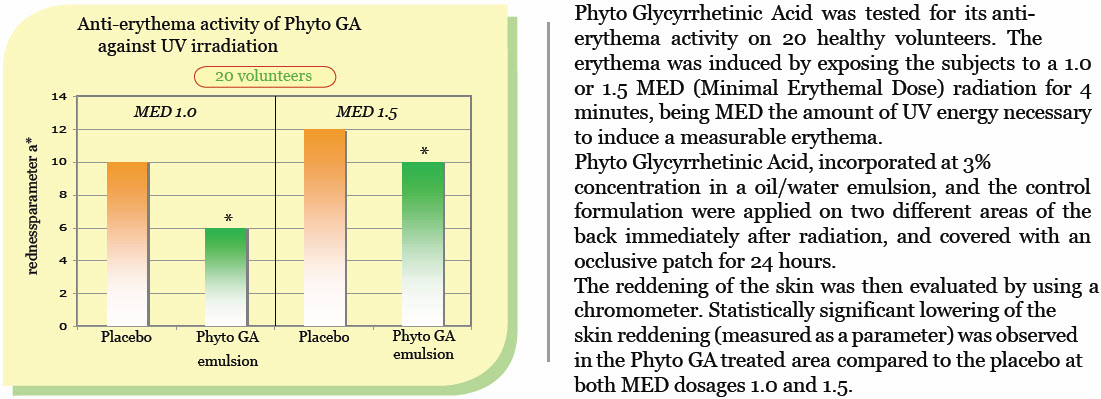
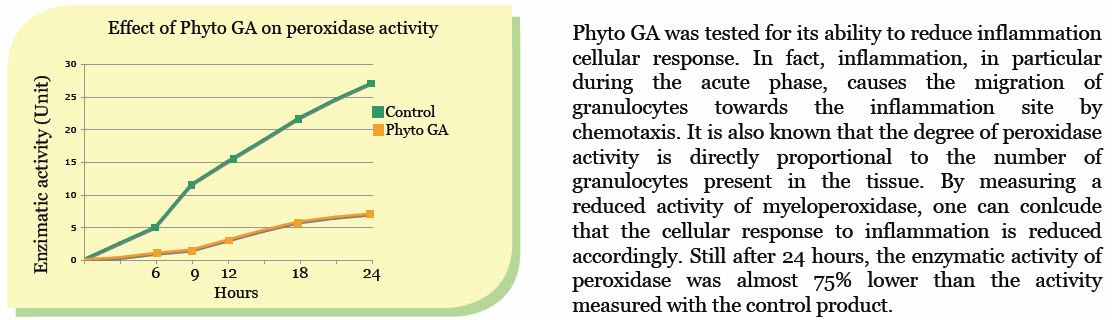
From an experiment measuring Peroxidase activity, which indicates the level of skin inflammation, it was found that when Phyto Glycyrrhetinic Acid was used, it was able to reduce Peroxidase activity by up to 75% compared to a control group that did not use it.
Usage: Can be used in all types of skin care products.
How to mix: Mix in Glycol to dissolve. Using heat of 60-70 degrees to help dissolve and then add cement to the formula.
Usage rate: 0.1-3% (recommended 1%)
Product appearance: white/light color powder
Solubility: Can be dissolved in Ethanol , Propylene glycol , Ethoxydiglycol , Butylene Glycol , Glycerin using heat of 60-70 degrees to help dissolve.
INCI Name : Glycyrrhetinic Acid (Type 18b)
Examples of products used Glycyrrhetinic Acid is a component in the formula.
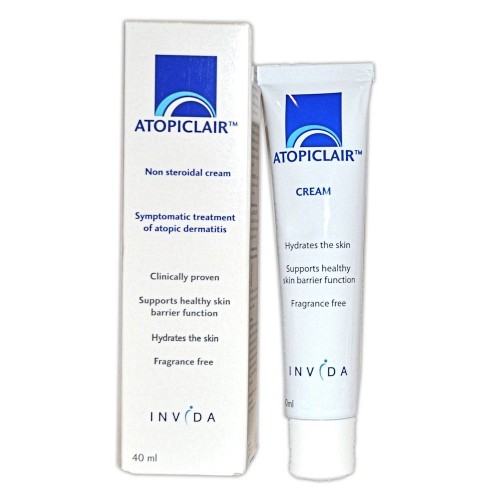
Atopiclair - Cream for treating allergic skin problems (Atopic Dermatitis)
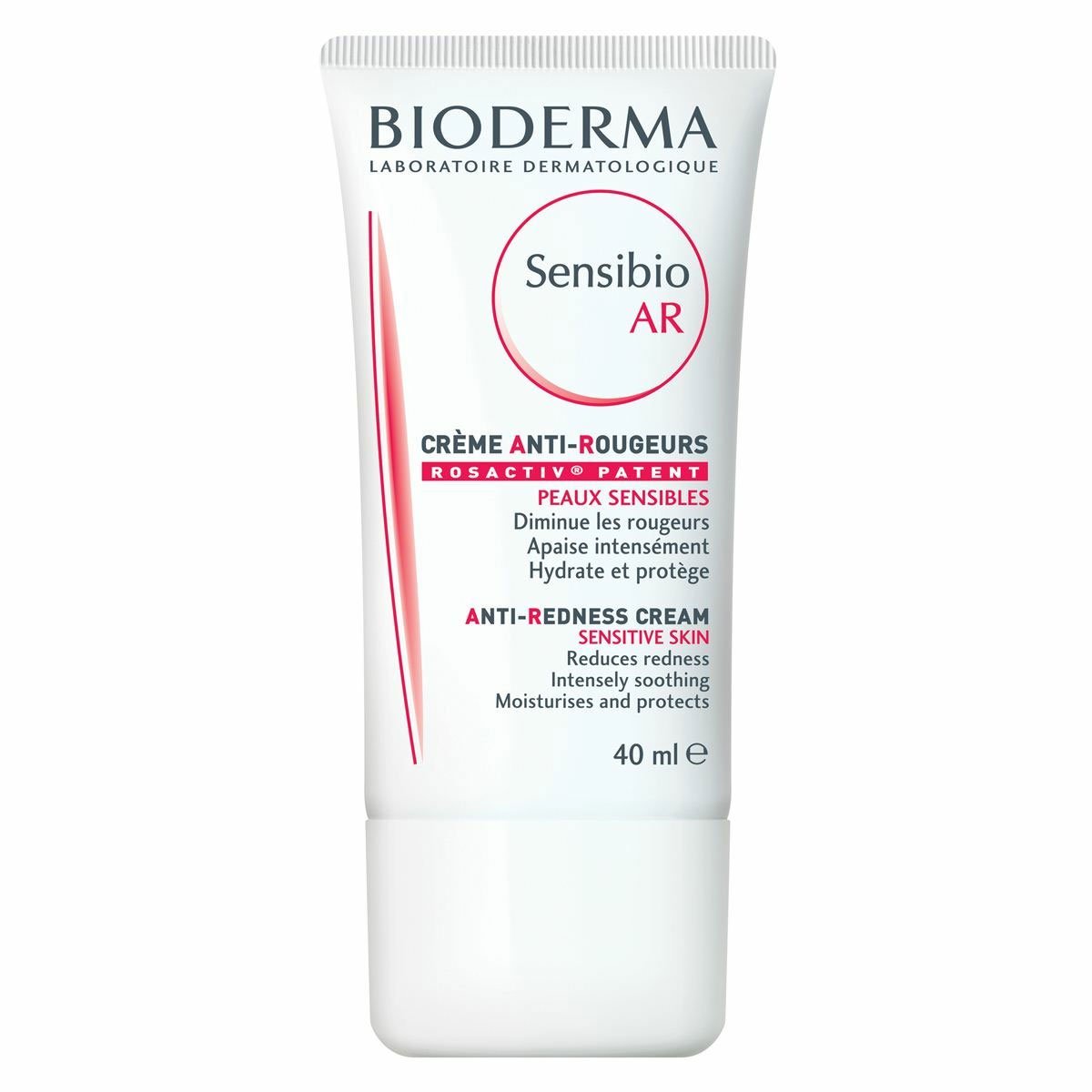
Bioderma Sensibio AR Cream - Cream to prevent and relieve redness/inflammation of the skin.
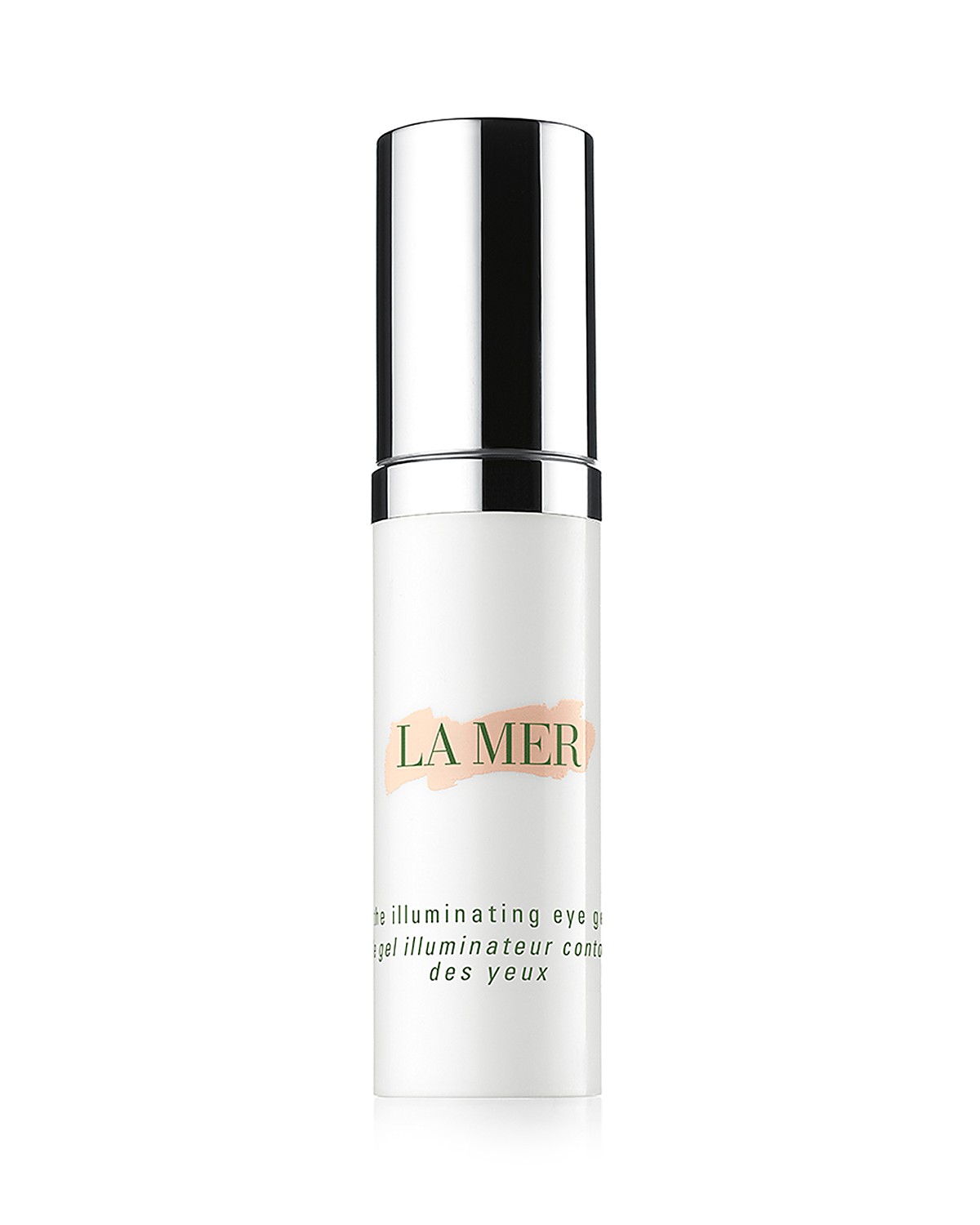
LA MER Illuminating eye gel
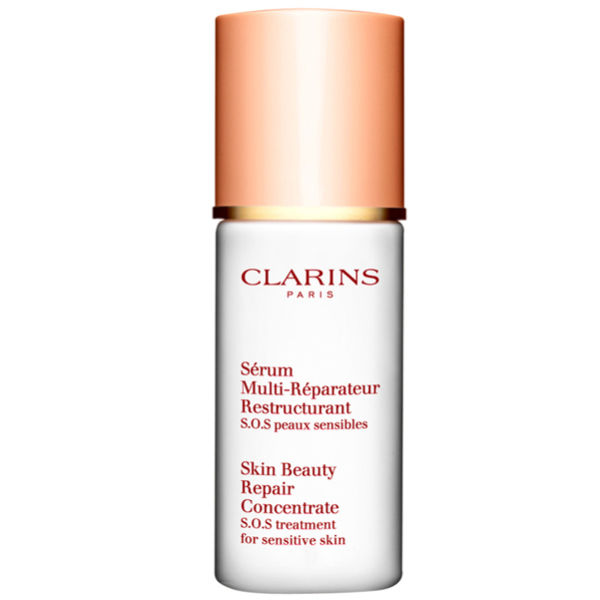
Clarins Skin Beauty Repair SOS treatment
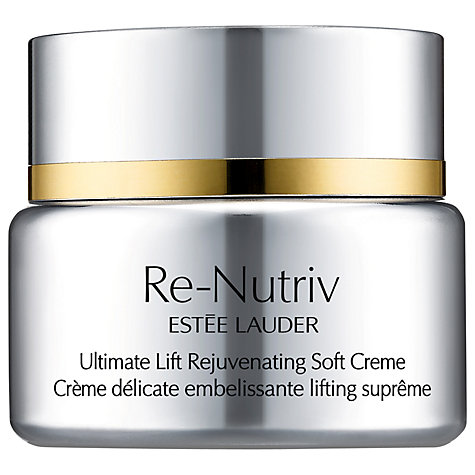
Estee Lauder Re-Nutriv Ultimate Lift Rejuvenating Soft Creme
| Test Name | Specification |
|---|---|
| Appearance | White or almost white crystalline powder |
| IR Absorption | Complies |
| Thin Layer Chromatography | Complies |
| Color reaction | Pink colour |
| Appearance of solution | Clear and not more intensely coloured than reference solution |
| Heavy metals | 20ppm Max |
| Loss on drying | 0.5% Max |
| Sulphated Ash | 0.2% Max |
| Related substances (Total) | 2.0% Max |
| Related substances (Impurities) | 0.7% Max |
| Specific optical rotation | +145 - +154 (dried subtances) |
| Residual ethanol | 0.5% Max |
| Assay (potentiometry) | 98.0-101.0% |
No products
Glycyrrhetinic Acid (enoxolone) extracted from Licorice or licorice plant, acts as an anti-irritant. (anti-irritation) and reduce inflammation (anti-inflammation) of the skin
Glycyrrhetinic Acid (Type 18b), often called enoxolone, is extracted from Licorice or the licorice plant. It has anti-irritant effects. (anti-irritation) and reduce inflammation (anti-inflammation) of the skin
Results of in-vitro experiments:
From an experiment measuring Peroxidase activity, which indicates the level of skin inflammation, it was found that when Phyto Glycyrrhetinic Acid was used, it was able to reduce Peroxidase activity by up to 75% compared to a control group that did not use it.
Usage: Can be used in all types of skin care products.
How to mix: Mix in Glycol to dissolve. Using heat of 60-70 degrees to help dissolve and then add cement to the formula.
Usage rate: 0.1-3% (recommended 1%)
Product appearance: white/light color powder
Solubility: Can be dissolved in Ethanol , Propylene glycol , Ethoxydiglycol , Butylene Glycol , Glycerin using heat of 60-70 degrees to help dissolve.
INCI Name : Glycyrrhetinic Acid (Type 18b)
Examples of products used Glycyrrhetinic Acid is a component in the formula.
Atopiclair - Cream for treating allergic skin problems (Atopic Dermatitis)
Bioderma Sensibio AR Cream - Cream to prevent and relieve redness/inflammation of the skin.
LA MER Illuminating eye gel
Clarins Skin Beauty Repair SOS treatment
Estee Lauder Re-Nutriv Ultimate Lift Rejuvenating Soft Creme
| Mechanism | - |
| Appearance | - |
| Longevity | - |
| Strength | - |
| Long-term storage | - |
| Shelf Life | - |
| Allergen(s) | - |
| Dosage (Range) | - |
| Recommended Dosage | - |
| Dosage (Per Day) | - |
| Recommended Dosage (Per Day) | - |
| Mix Method | - |
| Heat Resistance | - |
| Stable in pH range | - |
| Solubility | - |
| Product Types | - |
| INCI | - |