


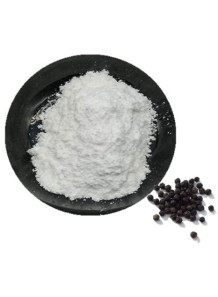
เป็นสารออกฤทธิ์หลักที่พบในพริกไทยดำ (Piper nigrum) มีประโยชน์ต่อสุขภาพหลากหลายด้าน โดยได้รับการสนับสนุนจากงานวิจัยทางวิทยาศาสตร์ หนึ่งในคุณสมบัติเด่นของไพเพอรีนคือช่วยเพิ่มการดูดซึมของสารอาหารและสารออกฤทธิ์อื่นๆ
อ.ย. ยังไม่อนุญาติให้ใช้ในอาหารเสริม ที่จำหน่ายในประเทศไทย กรุณาตรวจสอบการอนุญาติให้ใช้ ก่อนการนำไปใช้ในสูตรผลิตภัณฑ์ใดๆ
ไพเพอรีน (Piperine) ซึ่งเป็นสารออกฤทธิ์หลักที่พบในพริกไทยดำ (Piper nigrum) มีประโยชน์ต่อสุขภาพหลากหลายด้าน โดยได้รับการสนับสนุนจากงานวิจัยทางวิทยาศาสตร์ หนึ่งในคุณสมบัติเด่นของไพเพอรีนคือช่วยเพิ่มการดูดซึมของสารอาหารและสารออกฤทธิ์อื่นๆ โดยยับยั้งเอนไซม์ที่เกี่ยวข้องกับการเผาผลาญ เช่น CYP3A4 และ P-glycoprotein ทำให้สารต่างๆ เช่น เคอร์คูมิน (curcumin) และเรสเวอราทรอล (resveratrol) ถูกดูดซึมได้ดีขึ้น นอกจากนี้ ไพเพอรีนยังมีฤทธิ์ต้านอนุมูลอิสระที่ช่วยลดความเครียดออกซิเดชันซึ่งเกี่ยวข้องกับโรคเรื้อรังหลายชนิด เช่น โรคหลอดเลือดหัวใจและมะเร็ง
ในด้านการลดการอักเสบ ไพเพอรีนสามารถลดระดับไซโตไคน์ที่ก่อให้เกิดการอักเสบในแบบจำลองสัตว์ที่มีภาวะอักเสบ อีกทั้งยังส่งผลดีต่อการเผาผลาญ เช่น ช่วยเพิ่มความไวของอินซูลิน ลดระดับน้ำตาลในเลือด และลดไขมันสะสมในตับ นอกจากนี้ยังมีศักยภาพในการปกป้องระบบประสาท โดยการปรับสมดุลของสารสื่อประสาท GABA ลดความเสียหายจากอนุมูลอิสระในเซลล์สมอง และยับยั้งเอนไซม์ acetylcholinesterase ซึ่งเกี่ยวข้องกับภาวะสมองเสื่อม ไพเพอรีนยังมีฤทธิ์ในการปกป้องตับจากพิษเคมีโดยลดระดับเอนไซม์ AST และ ALT
ในแง่ของการต้านมะเร็ง งานวิจัยบางชิ้นพบว่าไพเพอรีนสามารถยับยั้งการเจริญเติบโตของเซลล์มะเร็ง และลดการเกิดสารก่อมะเร็งที่เกิดจากการปรุงอาหารด้วยความร้อน นอกจากนี้ยังมีฤทธิ์ต้านเชื้อจุลชีพในวงกว้าง รวมถึงช่วยกระตุ้นการหลั่งน้ำย่อยในระบบทางเดินอาหาร ส่งผลให้ย่อยอาหารได้ดีขึ้น สำหรับการควบคุมน้ำหนัก ไพเพอรีนสามารถยับยั้งการสร้างเซลล์ไขมัน และยังมีฤทธิ์คล้ายสารต้านซึมเศร้า โดยเพิ่มระดับเซโรโทนินและโดปามีนในสมอง
แหล่งอ้างอิงงานวิจัย:
Shoba G, et al. (1998). “Influence of piperine on the pharmacokinetics of curcumin in animals and human volunteers.” Planta Medica, 64(4): 353–356.
Srinivasan K. (2007). “Black pepper and its pungent principle-piperine: a review of diverse physiological effects.” Critical Reviews in Food Science and Nutrition, 47(8): 735–748.
Mujumdar AM, et al. (1990). “Antiinflammatory activity of piperine.” Indian Journal of Pharmacology, 22(2): 69–71.
Chonpathompikunlert P, et al. (2010). “Neuroprotective effect of piperine on oxidative stress and cognitive impairment in mice.” Pharmacology Biochemistry and Behavior, 96(2): 234–242.
Lee SA, et al. (2012). “Anti-obesity effect of black pepper (Piper nigrum L.) essential oil and piperine in 3T3-L1 adipocytes and C57BL/6J mice.” Nutrition Research and Practice, 6(6): 554–561.
Bano G, et al. (1991). “Effect of piperine on bioavailability and pharmacokinetics of propranolol and theophylline in healthy volunteers.” European Journal of Clinical Pharmacology, 41(6): 615–617.
Atal CK, et al. (1985). “Bioenhancers: revolutionary concept to market.” Journal of Ayurveda and Integrative Medicine, 1(2): 96–104.
D’Cruz SC, et al. (2005). “Modulation of genotoxicity by piperine in mouse bone marrow cells.” Food and Chemical Toxicology, 43(7): 1117–1123.
Yin J, et al. (2019). “Piperine ameliorates high-fat diet-induced metabolic dysfunctions in mice through antioxidant and anti-inflammatory mechanisms.” Journal of Functional Foods, 55: 58–67.
Meena AK, et al. (2010). “Piperine: A review of its biological effects.” International Journal of Pharmaceutical Sciences and Research, 1(3): 1–10.
| Test Name | Specification |
|---|---|
| Appearance | Light Yellow powder |
| Odor | Characteristic |
| Taste | Characteristic |
| Bulk Density | 30-70g/100mL |
| Particle size | NLT 90% through 80 mesh |
| Assay | ≥95.0% |
| Identification | Correspond to the RS |
| Loss on drying | ≤5.0% |
| Ash | ≤5.0% |
| Total Heavy Metals | ≤10 ppm |
| Lead (Pb) | ≤3.0ppm |
| Arsenic (As) | ≤2.0 ppm |
| Cadmium (Cd) | ≤1.0 ppm |
| Mercury (Hg) | ≤0.1 ppm |
| Aerobic bacterial count | ≤1,000 cfu/g |
| Total Yeast & Mold | ≤100 cfu/g |
| Escherichia coli | Negative |
| Salmonella | Negative |
| Staphlococcus | Negative |
ไม่มีสินค้า
เป็นสารออกฤทธิ์หลักที่พบในพริกไทยดำ (Piper nigrum) มีประโยชน์ต่อสุขภาพหลากหลายด้าน โดยได้รับการสนับสนุนจากงานวิจัยทางวิทยาศาสตร์ หนึ่งในคุณสมบัติเด่นของไพเพอรีนคือช่วยเพิ่มการดูดซึมของสารอาหารและสารออกฤทธิ์อื่นๆ
อ.ย. ยังไม่อนุญาติให้ใช้ในอาหารเสริม ที่จำหน่ายในประเทศไทย กรุณาตรวจสอบการอนุญาติให้ใช้ ก่อนการนำไปใช้ในสูตรผลิตภัณฑ์ใดๆ
ไพเพอรีน (Piperine) ซึ่งเป็นสารออกฤทธิ์หลักที่พบในพริกไทยดำ (Piper nigrum) มีประโยชน์ต่อสุขภาพหลากหลายด้าน โดยได้รับการสนับสนุนจากงานวิจัยทางวิทยาศาสตร์ หนึ่งในคุณสมบัติเด่นของไพเพอรีนคือช่วยเพิ่มการดูดซึมของสารอาหารและสารออกฤทธิ์อื่นๆ โดยยับยั้งเอนไซม์ที่เกี่ยวข้องกับการเผาผลาญ เช่น CYP3A4 และ P-glycoprotein ทำให้สารต่างๆ เช่น เคอร์คูมิน (curcumin) และเรสเวอราทรอล (resveratrol) ถูกดูดซึมได้ดีขึ้น นอกจากนี้ ไพเพอรีนยังมีฤทธิ์ต้านอนุมูลอิสระที่ช่วยลดความเครียดออกซิเดชันซึ่งเกี่ยวข้องกับโรคเรื้อรังหลายชนิด เช่น โรคหลอดเลือดหัวใจและมะเร็ง
ในด้านการลดการอักเสบ ไพเพอรีนสามารถลดระดับไซโตไคน์ที่ก่อให้เกิดการอักเสบในแบบจำลองสัตว์ที่มีภาวะอักเสบ อีกทั้งยังส่งผลดีต่อการเผาผลาญ เช่น ช่วยเพิ่มความไวของอินซูลิน ลดระดับน้ำตาลในเลือด และลดไขมันสะสมในตับ นอกจากนี้ยังมีศักยภาพในการปกป้องระบบประสาท โดยการปรับสมดุลของสารสื่อประสาท GABA ลดความเสียหายจากอนุมูลอิสระในเซลล์สมอง และยับยั้งเอนไซม์ acetylcholinesterase ซึ่งเกี่ยวข้องกับภาวะสมองเสื่อม ไพเพอรีนยังมีฤทธิ์ในการปกป้องตับจากพิษเคมีโดยลดระดับเอนไซม์ AST และ ALT
ในแง่ของการต้านมะเร็ง งานวิจัยบางชิ้นพบว่าไพเพอรีนสามารถยับยั้งการเจริญเติบโตของเซลล์มะเร็ง และลดการเกิดสารก่อมะเร็งที่เกิดจากการปรุงอาหารด้วยความร้อน นอกจากนี้ยังมีฤทธิ์ต้านเชื้อจุลชีพในวงกว้าง รวมถึงช่วยกระตุ้นการหลั่งน้ำย่อยในระบบทางเดินอาหาร ส่งผลให้ย่อยอาหารได้ดีขึ้น สำหรับการควบคุมน้ำหนัก ไพเพอรีนสามารถยับยั้งการสร้างเซลล์ไขมัน และยังมีฤทธิ์คล้ายสารต้านซึมเศร้า โดยเพิ่มระดับเซโรโทนินและโดปามีนในสมอง
แหล่งอ้างอิงงานวิจัย:
Shoba G, et al. (1998). “Influence of piperine on the pharmacokinetics of curcumin in animals and human volunteers.” Planta Medica, 64(4): 353–356.
Srinivasan K. (2007). “Black pepper and its pungent principle-piperine: a review of diverse physiological effects.” Critical Reviews in Food Science and Nutrition, 47(8): 735–748.
Mujumdar AM, et al. (1990). “Antiinflammatory activity of piperine.” Indian Journal of Pharmacology, 22(2): 69–71.
Chonpathompikunlert P, et al. (2010). “Neuroprotective effect of piperine on oxidative stress and cognitive impairment in mice.” Pharmacology Biochemistry and Behavior, 96(2): 234–242.
Lee SA, et al. (2012). “Anti-obesity effect of black pepper (Piper nigrum L.) essential oil and piperine in 3T3-L1 adipocytes and C57BL/6J mice.” Nutrition Research and Practice, 6(6): 554–561.
Bano G, et al. (1991). “Effect of piperine on bioavailability and pharmacokinetics of propranolol and theophylline in healthy volunteers.” European Journal of Clinical Pharmacology, 41(6): 615–617.
Atal CK, et al. (1985). “Bioenhancers: revolutionary concept to market.” Journal of Ayurveda and Integrative Medicine, 1(2): 96–104.
D’Cruz SC, et al. (2005). “Modulation of genotoxicity by piperine in mouse bone marrow cells.” Food and Chemical Toxicology, 43(7): 1117–1123.
Yin J, et al. (2019). “Piperine ameliorates high-fat diet-induced metabolic dysfunctions in mice through antioxidant and anti-inflammatory mechanisms.” Journal of Functional Foods, 55: 58–67.
Meena AK, et al. (2010). “Piperine: A review of its biological effects.” International Journal of Pharmaceutical Sciences and Research, 1(3): 1–10.
| Mechanism | - |
| Appearance | - |
| Longevity | - |
| Strength | - |
| Long-term storage | - |
| Shelf Life | - |
| Allergen(s) | - |
| Dosage (Range) | - |
| Recommended Dosage | - |
| Dosage (Per Day) | - |
| Recommended Dosage (Per Day) | - |
| Mix Method | - |
| Heat Resistance | - |
| Stable in pH range | - |
| Solubility | - |
| Product Types | - |
| INCI | - |