


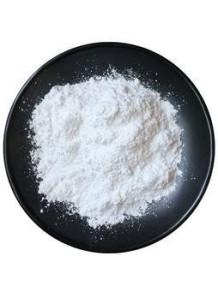
Alpha Calcined Alumina
Alpha Calcined Alumina (40micron)
Alpha Calcined Alumina:
Phase Transformation: Alpha calcined alumina is a result of the calcination process that involves heating aluminum hydroxide or other aluminum compounds to a temperature range where they transform into the alpha phase of alumina (α-alumina). This phase transformation is associated with changes in crystalline structure and properties.
Properties: Alpha calcined alumina typically has higher hardness, greater abrasion resistance, and better thermal stability compared to other forms of alumina. It also possesses a higher density and is known for its refractory and abrasive properties.
Applications: This type of alumina is commonly used in refractories, ceramics, abrasive applications, and as a catalyst support due to its high thermal stability and mechanical strength.
| Test Name | Specification |
|---|---|
| D50 (µm) | 45.0 ± 5 |
| D90 (µm) | < 75 |
| Specific Surface Area (m²/g) | < 0.4 |
| Na2O (%) | ≤ 0.1 |
| EC (µS/cm) | ≤ 100 |
| Specific Gravity | 3.93 |
| Moisture Content (%) | ≤ 0.3 |
| α-Al2O3 Content (%) | ≥ 99.6 |
ไม่มีสินค้า
Alpha Calcined Alumina
Alpha Calcined Alumina (40micron)
Alpha Calcined Alumina:
Phase Transformation: Alpha calcined alumina is a result of the calcination process that involves heating aluminum hydroxide or other aluminum compounds to a temperature range where they transform into the alpha phase of alumina (α-alumina). This phase transformation is associated with changes in crystalline structure and properties.
Properties: Alpha calcined alumina typically has higher hardness, greater abrasion resistance, and better thermal stability compared to other forms of alumina. It also possesses a higher density and is known for its refractory and abrasive properties.
Applications: This type of alumina is commonly used in refractories, ceramics, abrasive applications, and as a catalyst support due to its high thermal stability and mechanical strength.
| Mechanism | - |
| Appearance | - |
| Longevity | - |
| Strength | - |
| Storage | - |
| Shelf Life | - |
| Allergen(s) | - |
| Dosage (Range) | - |
| Recommended Dosage | - |
| Dosage (Per Day) | - |
| Recommended Dosage (Per Day) | - |
| Mix Method | - |
| Heat Resistance | - |
| Stable in pH range | - |
| Solubility | - |
| Product Types | - |
| INCI | - |