


“No direct topical Zinc Disodium EDTA clinical skin-benefit evidence found; closest zinc-family evidence supports roles in wound healing, inflammation control, acne, infections and barrier-related dermatoses.”
ใช้เป็น Chelating Agent ในสูตรเครื่องสำอางหลากหลายชนิด
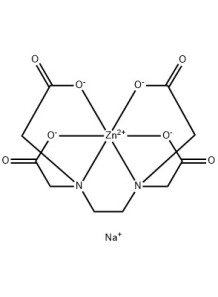
Zinc Disodium EDTA (EDTA ZnNa2)
ใช้เป็น Chelating Agent ในสูตรเครื่องสำอางหลากหลายชนิด
การใช้: สำหรับผลิตภัณฑ์ทุกชนิด โดยทำหน้าที่เป็น Chelating Agent
วิธีการผสม: ผสมในน้ำ (water-phase) หลีกเลี่ยงความร้อนเกิน 80องศา
อัตราการใช้: 0.1-0.2%
ลักษณะผลิตภัณฑ์: ผงสีขาว
การละลาย: สามารถละลายในน้ำ
การเก็บรักษา: สามารถเก็บในที่เย็น (แนะนำเก็บในตู้เย็น) ปิดฝาขวดให้สนิท แล้วมิดชิดจากแสงแดด อากาศ หรือความร้อน ผลิตภัณฑ์มีอายุอย่างต่ำ 2ปี
INCI Name: Zinc EDTA
| Test Name | Specification |
|---|---|
| Appearance | White crystalline powder |
| Zn Assay (%) | 14.5-15.5 |
| pH (1% solution) | 6-7 |
| Insoluble matters in water (%) | 0.1 Max |
ไม่มีสินค้า
ใช้เป็น Chelating Agent ในสูตรเครื่องสำอางหลากหลายชนิด
Zinc Disodium EDTA (EDTA ZnNa2)
ใช้เป็น Chelating Agent ในสูตรเครื่องสำอางหลากหลายชนิด
การใช้: สำหรับผลิตภัณฑ์ทุกชนิด โดยทำหน้าที่เป็น Chelating Agent
วิธีการผสม: ผสมในน้ำ (water-phase) หลีกเลี่ยงความร้อนเกิน 80องศา
อัตราการใช้: 0.1-0.2%
ลักษณะผลิตภัณฑ์: ผงสีขาว
การละลาย: สามารถละลายในน้ำ
การเก็บรักษา: สามารถเก็บในที่เย็น (แนะนำเก็บในตู้เย็น) ปิดฝาขวดให้สนิท แล้วมิดชิดจากแสงแดด อากาศ หรือความร้อน ผลิตภัณฑ์มีอายุอย่างต่ำ 2ปี
INCI Name: Zinc EDTA
| Mechanism | - |
| Appearance | - |
| Longevity | - |
| Strength | - |
| Long-term storage | - |
| Shelf Life | - |
| Allergen(s) | - |
| Dosage (Range) | - |
| Recommended Dosage | - |
| Dosage (Per Day) | - |
| Recommended Dosage (Per Day) | - |
| Mix Method | - |
| Heat Resistance | - |
| Stable in pH range | - |
| Solubility | - |
| Product Types | - |
| INCI | - |