


“No direct topical Zinc Disodium EDTA clinical skin-benefit evidence found; closest zinc-family evidence supports roles in wound healing, inflammation control, acne, infections and barrier-related dermatoses.”
Used as a Chelating Agent in various cosmetic formulas.
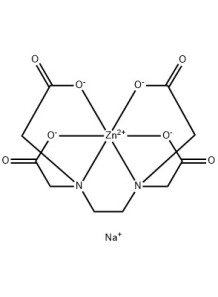
Zinc Disodium EDTA (EDTA ZnNa2)
Used as a Chelating Agent in various cosmetic formulas.
Usage: For all types of products By acting as a Chelating Agent
Mixing method: Mix in water (water-phase), avoid heat over 80 degrees.
Usage rate: 0.1-0.2%
Product characteristics: white powder
Solubility: can dissolve in water
Storage: Can be stored in a cool place (Recommended to store in the refrigerator) Close the bottle cap tightly. Then completely protected from sunlight, air or heat. The product has a minimum shelf life of 2 years.
INCI Name : Zinc EDTA
| Test Name | Specification |
|---|---|
| Appearance | White crystalline powder |
| Zn Assay (%) | 14.5-15.5 |
| pH (1% solution) | 6-7 |
| Insoluble matters in water (%) | 0.1 Max |
No products
Used as a Chelating Agent in various cosmetic formulas.
Zinc Disodium EDTA (EDTA ZnNa2)
Used as a Chelating Agent in various cosmetic formulas.
Usage: For all types of products By acting as a Chelating Agent
Mixing method: Mix in water (water-phase), avoid heat over 80 degrees.
Usage rate: 0.1-0.2%
Product characteristics: white powder
Solubility: can dissolve in water
Storage: Can be stored in a cool place (Recommended to store in the refrigerator) Close the bottle cap tightly. Then completely protected from sunlight, air or heat. The product has a minimum shelf life of 2 years.
INCI Name : Zinc EDTA
| Mechanism | - |
| Appearance | - |
| Longevity | - |
| Strength | - |
| Long-term storage | - |
| Shelf Life | - |
| Allergen(s) | - |
| Dosage (Range) | - |
| Recommended Dosage | - |
| Dosage (Per Day) | - |
| Recommended Dosage (Per Day) | - |
| Mix Method | - |
| Heat Resistance | - |
| Stable in pH range | - |
| Solubility | - |
| Product Types | - |
| INCI | - |