


Ultragel 300 X2 (Polyquaternium-37, High Viscosity) is a high-efficiency Polyquaternium-37 rheology modifier for cosmetic systems that need stronger body, high clarity, and a smooth conditioned after-feel. It functions as both a thickening and stabilizing agent, with particular suitability for cationic formulations and transparent gel concepts.
This grade is positioned as the second generation of Ultragel 300. The key difference is higher viscosity efficiency: at 0.5% in water at 25°C, Ultragel 300 X2 can deliver about 30,000-55,000 cps, while standard Ultragel 300 gives about 15,000-35,000 cps at 1.0% in water. In practice, that means similar or higher structure can be reached at lower use level, which is useful when the formulator wants more body without loading the formula heavily with polymer.
Beyond the viscosity upgrade, the performance profile remains aligned with the Ultragel 300 family: efficient thickening and stabilization, excellent sensory profile, strong formulation clarity, skin and hair conditioning, no neutralization requirement, and compatibility with demanding systems including solvent-containing gels, emulsion systems, UV-filter systems, and cationic conditioning bases.
Comparison with standard Ultragel 300
| Parameter | Ultragel 300 X2 | Ultragel 300 |
|---|---|---|
| Viscosity benchmark in water, 25°C | 30,000-55,000 cps at 0.5% | 15,000-35,000 cps at 1.0% |
| Practical implication | Higher structure at lower loading; useful when stronger gel body is needed | Lower-viscosity standard grade; useful when lighter body or easier fine-tuning is preferred |
| Recommended pH window | pH 4.0-11.0 | pH 3.0-10.0 |
Product Description: Ultragel 300 X2 is designed for clear, pseudoplastic gel structures with a conditioned, elegant touch profile rather than a harsh or draggy rheology. It is especially useful in cationic systems where many common gel builders become less convenient. The polymer can be processed under both cold and hot conditions, added from the beginning of manufacturing, and used in either the water phase or the oil phase of emulsion processing depending on the structure of the formula. It remains attractive for formulations that combine rheology build with sensory conditioning on both skin and hair.
Technically, the material supports a broad compatibility window. It can be used in high-solvent systems and still maintain clear gel appearance at ethanol levels up to about 30%. It is also compatible with organic and inorganic UV filters, water-resistant agents, and emollients, and can tolerate emollient loads up to about 20% without requiring an additional emulsifier. This makes it useful in sunscreens, hydroalcoholic gels, clear styling systems, conditioning gels, and emulsions where clarity and feel matter as much as viscosity.
The powder format is highly concentrated and easy to disperse. No neutralization step is required, which simplifies process design versus polymer systems that depend on pH-triggered thickening. In finished formulas, the rheology is smooth and pseudoplastic, helping the formula feel rich during pick-up yet spread easily during application. The cationic compatibility also makes it particularly attractive in hair-conditioning systems and in blends with Dehyquart and Esterquats when the target is a more substantial but still smooth sensorial profile.
Usage: Suitable for clear gels, serum-gels, lotions, creams, cationic emulsions, hair conditioners, conditioning shampoos, styling products, sunscreen systems, hydroalcoholic gels, and EO-free formulation concepts that need both structure and conditioned feel.
Mixing method:
- Disperse early in the process under either cold or hot manufacturing conditions; the material does not require neutralization.
- Add through the water phase for direct gel building, or incorporate into emulsion processing through either the water phase or oil phase according to the formula design.
- Use sufficient shear to wet and disperse the powder uniformly, then adjust the final body with the target solvent, UV-filter, emollient, or conditioning package.
- Keep the finished formula in the pH 4.0-11.0 window. In hydroalcoholic systems, verify final clarity after all solvents and actives are added, especially when approaching 30% ethanol.
Usage rate: 0.2-2.0%, typically around 0.3-1.0% for clear gel structures depending on the required viscosity, solvent load, and emollient/UV-filter package. At 0.5% in water at 25°C, this grade can reach about 30,000-55,000 cps.
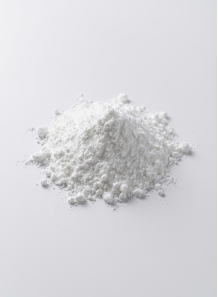
Product characteristics: Off-white to cream powder; easy to disperse.
Solubility: Dispersible in water and suitable for transparent aqueous or hydroalcoholic gel systems; compatible with emulsion processing and tolerant of high emollient load.
Storage: Store tightly closed in a dry area away from excess heat, air, and direct light.
| Test Name | Specification |
|---|---|
| Appearance (White hygroscopic powder) | PASS - PASS |
| pH 0.5 % in H2O | 6.00 - 7.50 |
| Moisture | 0.00 - 10.00 |
| Brookfield viscosity 25°C (spindle 7 20 rpm) 0.5 % in H2O | 30000 - 55000 |
| Brookfield viscosity 25°C (spindle 6 20 rpm) 0.2 % in H2O | 10000 - 25000 |
No products
Ultragel 300 X2 (Polyquaternium-37, High Viscosity) is a high-efficiency Polyquaternium-37 rheology modifier for cosmetic systems that need stronger body, high clarity, and a smooth conditioned after-feel. It functions as both a thickening and stabilizing agent, with particular suitability for cationic formulations and transparent gel concepts.
This grade is positioned as the second generation of Ultragel 300. The key difference is higher viscosity efficiency: at 0.5% in water at 25°C, Ultragel 300 X2 can deliver about 30,000-55,000 cps, while standard Ultragel 300 gives about 15,000-35,000 cps at 1.0% in water. In practice, that means similar or higher structure can be reached at lower use level, which is useful when the formulator wants more body without loading the formula heavily with polymer.
Beyond the viscosity upgrade, the performance profile remains aligned with the Ultragel 300 family: efficient thickening and stabilization, excellent sensory profile, strong formulation clarity, skin and hair conditioning, no neutralization requirement, and compatibility with demanding systems including solvent-containing gels, emulsion systems, UV-filter systems, and cationic conditioning bases.
Comparison with standard Ultragel 300
| Parameter | Ultragel 300 X2 | Ultragel 300 |
|---|---|---|
| Viscosity benchmark in water, 25°C | 30,000-55,000 cps at 0.5% | 15,000-35,000 cps at 1.0% |
| Practical implication | Higher structure at lower loading; useful when stronger gel body is needed | Lower-viscosity standard grade; useful when lighter body or easier fine-tuning is preferred |
| Recommended pH window | pH 4.0-11.0 | pH 3.0-10.0 |
Product Description: Ultragel 300 X2 is designed for clear, pseudoplastic gel structures with a conditioned, elegant touch profile rather than a harsh or draggy rheology. It is especially useful in cationic systems where many common gel builders become less convenient. The polymer can be processed under both cold and hot conditions, added from the beginning of manufacturing, and used in either the water phase or the oil phase of emulsion processing depending on the structure of the formula. It remains attractive for formulations that combine rheology build with sensory conditioning on both skin and hair.
Technically, the material supports a broad compatibility window. It can be used in high-solvent systems and still maintain clear gel appearance at ethanol levels up to about 30%. It is also compatible with organic and inorganic UV filters, water-resistant agents, and emollients, and can tolerate emollient loads up to about 20% without requiring an additional emulsifier. This makes it useful in sunscreens, hydroalcoholic gels, clear styling systems, conditioning gels, and emulsions where clarity and feel matter as much as viscosity.
The powder format is highly concentrated and easy to disperse. No neutralization step is required, which simplifies process design versus polymer systems that depend on pH-triggered thickening. In finished formulas, the rheology is smooth and pseudoplastic, helping the formula feel rich during pick-up yet spread easily during application. The cationic compatibility also makes it particularly attractive in hair-conditioning systems and in blends with Dehyquart and Esterquats when the target is a more substantial but still smooth sensorial profile.
Usage: Suitable for clear gels, serum-gels, lotions, creams, cationic emulsions, hair conditioners, conditioning shampoos, styling products, sunscreen systems, hydroalcoholic gels, and EO-free formulation concepts that need both structure and conditioned feel.
Mixing method:
- Disperse early in the process under either cold or hot manufacturing conditions; the material does not require neutralization.
- Add through the water phase for direct gel building, or incorporate into emulsion processing through either the water phase or oil phase according to the formula design.
- Use sufficient shear to wet and disperse the powder uniformly, then adjust the final body with the target solvent, UV-filter, emollient, or conditioning package.
- Keep the finished formula in the pH 4.0-11.0 window. In hydroalcoholic systems, verify final clarity after all solvents and actives are added, especially when approaching 30% ethanol.
Usage rate: 0.2-2.0%, typically around 0.3-1.0% for clear gel structures depending on the required viscosity, solvent load, and emollient/UV-filter package. At 0.5% in water at 25°C, this grade can reach about 30,000-55,000 cps.
Product characteristics: Off-white to cream powder; easy to disperse.
Solubility: Dispersible in water and suitable for transparent aqueous or hydroalcoholic gel systems; compatible with emulsion processing and tolerant of high emollient load.
Storage: Store tightly closed in a dry area away from excess heat, air, and direct light.
| Mechanism | - |
| Appearance | - |
| Longevity | - |
| Strength | - |
| Storage | - |
| Shelf Life | - |
| Allergen(s) | - |
| Dosage (Range) | - |
| Recommended Dosage | - |
| Dosage (Per Day) | - |
| Recommended Dosage (Per Day) | - |
| Mix Method | - |
| Heat Resistance | - |
| Stable in pH range | - |
| Solubility | - |
| Product Types | - |
| INCI | - |