


“No direct skin-benefit evidence; oral-care clinical evidence shows calcium glycerophosphate with fluoride reduced caries progression in dentifrice use.”
Calcium glycerophosphate (CaGP) for fluoride toothpastes, gels and mouthrinses; provides extra Ca/P buffering, supports enamel remineralization and can improve low‑fluoride and sensitive‑tooth formulations.
Ultrafine grade suitable for toothpaste
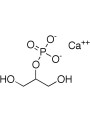
Calcium Glycerophosphate (anti-caries, oral care) (CaGP) is a calcium–phosphate salt for oral‑care formulations, used in toothpastes, mouthrinses and some fluoride varnishes as a remineralizing and acid‑buffering co‑active for caries control and sensitivity management.
When dissolved in saliva and dental plaque, CaGP releases calcium (Ca²⁺) and phosphate (PO₄³⁻) ions – the same ions that build tooth mineral (hydroxyapatite). In vitro and in situ models show that CaGP raises plaque calcium/phosphate levels, buffers acids, slows enamel demineralization and supports remineralization, especially when combined with fluoride.
Across older but robust clinical caries trials, in situ enamel models, biofilm work and small desensitizing studies, CaGP consistently behaves as a supportive co‑ingredient: it does not replace fluoride, but can make low‑fluoride systems behave closer to standard fluoride pastes while also helping stabilize plaque pH and, in some users, reduce dentin hypersensitivity.
From a safety perspective, calcium glycerophosphate is listed as generally recognized as safe (GRAS) as a nutrient supplement and is classified as non‑hazardous in typical safety data sheets when handled under normal conditions. Usual toothpaste and mouthrinse exposure levels are very small compared with systemic supplement doses; however, people with kidney disease or disturbed calcium/phosphate metabolism should use additional calcium/phosphate sources only under medical supervision.
Product Description: Calcium glycerophosphate is typically used at low levels in fluoride oral‑care products to create a calcium/phosphate reservoir directly in plaque and at the enamel surface. Mechanistically it (1) increases plaque Ca/P concentrations, (2) buffers cariogenic acids so that enamel mineral leaves the tooth more slowly, (3) supplies ions to rebuild early subsurface lesions and (4) works synergistically with fluoride to form more stable fluoridated mineral. Most positive data are for CaGP used together with sodium fluoride or sodium monofluorophosphate in toothpastes and mouthrinses.
Clinical caries trials in children, including multi‑year studies where CaGP‑containing toothpastes were compared with matched fluoride controls, consistently show lower caries increments and reduced lesion progression when CaGP is present. In situ low‑fluoride models (around 500–600 ppm F) further demonstrate that adding CaGP can bring protection close to that of standard 1000–1100 ppm fluoride pastes. Mouthrinse and varnish studies similarly report improved remineralization of eroded/demineralized enamel versus fluoride alone.
Biofilm work on mixed Streptococcus mutans/Candida albicans models indicates that CaGP‑containing systems can raise biofilm pH after sugar challenge, alter mineral content and reduce extracellular matrix carbohydrates, consistent with a less cariogenic plaque environment. Small clinical studies with CaGP‑dentifrices in adults also show meaningful reductions in cold/air dentin hypersensitivity scores over several weeks, likely via mineral precipitation into exposed dentin tubules.
| Model/System | Key Endpoints | Implication |
|---|---|---|
| In situ / in vitro enamel models | ↓ Demineralization; ↑ remineralization; CaGP + low‑F ≈ standard F paste | Supports caries prevention and low‑F formulations |
| Long‑term caries trials in children | Lower caries increment vs. matched fluoride controls | Extra caries protection as fluoride co‑ingredient |
| Plaque / biofilm & mouthrinse studies | ↑ Plaque Ca/P; ↑ plaque pH; ↓ acidogenicity; matrix changes | Less cariogenic plaque environment |
| Dentin hypersensitivity trials | ↓ Cold/air sensitivity scores over weeks | Adjunct for sensitive‑tooth dentifrices |
| Safety (topical/oral‑care use) | GRAS status; non‑hazardous classification at cosmetic doses | Suitable for everyday oral‑care products when used as directed |
Usage: Co‑active remineralizing and anti‑cavity ingredient for fluoride toothpastes, gels, mouthrinses and certain fluoride varnishes. Particularly relevant for pediatric or low‑fluoride formulations where additional calcium/phosphate buffering is desired, and for sensitive‑tooth products targeting enamel repair and tubule reinforcement.
Mixing method:
- Water‑soluble; add to the aqueous phase of toothpastes, gels or mouthrinses and mix until fully dissolved before adding high levels of abrasives or thickeners.
- For toothpastes, dissolve CaGP in the humectant/water phase, then introduce polishing agents and binders; avoid undissolved particles that could affect texture.
- For mouthrinses, dissolve together with humectants, sweeteners and buffer salts, then adjust final pH within the recommended window before flavor addition and filtration.
- Combine with an appropriate fluoride source and design the system so that effective free fluoride is maintained while benefiting from the Ca/P reservoir.
Usage rate: For oral‑care products: typically 0.5–1% CaGP in the finished formula. In low‑fluoride children’s toothpastes (~500–600 ppm F), 0.5–1% CaGP has been shown in in situ models to approach the performance of standard ~1000–1100 ppm fluoride pastes. Higher levels are rarely needed and should be justified by stability and safety assessment.
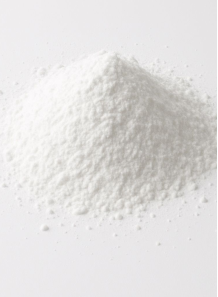
Product characteristics: White, free‑flowing powder with characteristic low odor.
Solubility: Freely soluble in water; essentially insoluble in oils and non‑polar solvents. Best suited to water‑based oral‑care systems.
Storage: Store in a tightly closed container at room temperature, protected from moisture, heat and direct light. Under suitable storage, typical shelf life is about 24 months.
| Test Name | Specification |
|---|---|
| Appearance | White or slightly yellow powder, no lumps, visually free of impurities |
| Assay (Dry Basis) / % | ≥98.0 |
| Loss on Drying / % | ≤12.0 |
| Acidity or Alkalinity / ml/g | ≤1.7 |
| Free glycerol and alcohol-soluble substances / % | ≤0.5 |
| Phosphates (PO4) / % | ≤0.04 |
| Sulfate (SO4) / % | ≤0.5 |
| Citric Acid | Pass test |
| Chloride (Cl) / % | ≤0.07 |
| Heavy Metal (Pb) / mg/kg | ≤20.0 |
| Arsenic (As) / mg/kg | ≤5.0 |
| TVC / cfu/g | ≤1000 |
| Coliform bacteria / cfu/g | ≤10 |
| Staphylococcus aureus / cfu/g | ≤0 |
No products
Calcium glycerophosphate (CaGP) for fluoride toothpastes, gels and mouthrinses; provides extra Ca/P buffering, supports enamel remineralization and can improve low‑fluoride and sensitive‑tooth formulations.
Ultrafine grade suitable for toothpaste
Calcium Glycerophosphate (anti-caries, oral care) (CaGP) is a calcium–phosphate salt for oral‑care formulations, used in toothpastes, mouthrinses and some fluoride varnishes as a remineralizing and acid‑buffering co‑active for caries control and sensitivity management.
When dissolved in saliva and dental plaque, CaGP releases calcium (Ca²⁺) and phosphate (PO₄³⁻) ions – the same ions that build tooth mineral (hydroxyapatite). In vitro and in situ models show that CaGP raises plaque calcium/phosphate levels, buffers acids, slows enamel demineralization and supports remineralization, especially when combined with fluoride.
Across older but robust clinical caries trials, in situ enamel models, biofilm work and small desensitizing studies, CaGP consistently behaves as a supportive co‑ingredient: it does not replace fluoride, but can make low‑fluoride systems behave closer to standard fluoride pastes while also helping stabilize plaque pH and, in some users, reduce dentin hypersensitivity.
From a safety perspective, calcium glycerophosphate is listed as generally recognized as safe (GRAS) as a nutrient supplement and is classified as non‑hazardous in typical safety data sheets when handled under normal conditions. Usual toothpaste and mouthrinse exposure levels are very small compared with systemic supplement doses; however, people with kidney disease or disturbed calcium/phosphate metabolism should use additional calcium/phosphate sources only under medical supervision.
Product Description: Calcium glycerophosphate is typically used at low levels in fluoride oral‑care products to create a calcium/phosphate reservoir directly in plaque and at the enamel surface. Mechanistically it (1) increases plaque Ca/P concentrations, (2) buffers cariogenic acids so that enamel mineral leaves the tooth more slowly, (3) supplies ions to rebuild early subsurface lesions and (4) works synergistically with fluoride to form more stable fluoridated mineral. Most positive data are for CaGP used together with sodium fluoride or sodium monofluorophosphate in toothpastes and mouthrinses.
Clinical caries trials in children, including multi‑year studies where CaGP‑containing toothpastes were compared with matched fluoride controls, consistently show lower caries increments and reduced lesion progression when CaGP is present. In situ low‑fluoride models (around 500–600 ppm F) further demonstrate that adding CaGP can bring protection close to that of standard 1000–1100 ppm fluoride pastes. Mouthrinse and varnish studies similarly report improved remineralization of eroded/demineralized enamel versus fluoride alone.
Biofilm work on mixed Streptococcus mutans/Candida albicans models indicates that CaGP‑containing systems can raise biofilm pH after sugar challenge, alter mineral content and reduce extracellular matrix carbohydrates, consistent with a less cariogenic plaque environment. Small clinical studies with CaGP‑dentifrices in adults also show meaningful reductions in cold/air dentin hypersensitivity scores over several weeks, likely via mineral precipitation into exposed dentin tubules.
| Model/System | Key Endpoints | Implication |
|---|---|---|
| In situ / in vitro enamel models | ↓ Demineralization; ↑ remineralization; CaGP + low‑F ≈ standard F paste | Supports caries prevention and low‑F formulations |
| Long‑term caries trials in children | Lower caries increment vs. matched fluoride controls | Extra caries protection as fluoride co‑ingredient |
| Plaque / biofilm & mouthrinse studies | ↑ Plaque Ca/P; ↑ plaque pH; ↓ acidogenicity; matrix changes | Less cariogenic plaque environment |
| Dentin hypersensitivity trials | ↓ Cold/air sensitivity scores over weeks | Adjunct for sensitive‑tooth dentifrices |
| Safety (topical/oral‑care use) | GRAS status; non‑hazardous classification at cosmetic doses | Suitable for everyday oral‑care products when used as directed |
Usage: Co‑active remineralizing and anti‑cavity ingredient for fluoride toothpastes, gels, mouthrinses and certain fluoride varnishes. Particularly relevant for pediatric or low‑fluoride formulations where additional calcium/phosphate buffering is desired, and for sensitive‑tooth products targeting enamel repair and tubule reinforcement.
Mixing method:
- Water‑soluble; add to the aqueous phase of toothpastes, gels or mouthrinses and mix until fully dissolved before adding high levels of abrasives or thickeners.
- For toothpastes, dissolve CaGP in the humectant/water phase, then introduce polishing agents and binders; avoid undissolved particles that could affect texture.
- For mouthrinses, dissolve together with humectants, sweeteners and buffer salts, then adjust final pH within the recommended window before flavor addition and filtration.
- Combine with an appropriate fluoride source and design the system so that effective free fluoride is maintained while benefiting from the Ca/P reservoir.
Usage rate: For oral‑care products: typically 0.5–1% CaGP in the finished formula. In low‑fluoride children’s toothpastes (~500–600 ppm F), 0.5–1% CaGP has been shown in in situ models to approach the performance of standard ~1000–1100 ppm fluoride pastes. Higher levels are rarely needed and should be justified by stability and safety assessment.
Product characteristics: White, free‑flowing powder with characteristic low odor.
Solubility: Freely soluble in water; essentially insoluble in oils and non‑polar solvents. Best suited to water‑based oral‑care systems.
Storage: Store in a tightly closed container at room temperature, protected from moisture, heat and direct light. Under suitable storage, typical shelf life is about 24 months.
| Mechanism | - |
| Appearance | - |
| Longevity | - |
| Strength | - |
| Long-term storage | - |
| Shelf Life | - |
| Allergen(s) | - |
| Dosage (Range) | - |
| Recommended Dosage | - |
| Dosage (Per Day) | - |
| Recommended Dosage (Per Day) | - |
| Mix Method | - |
| Heat Resistance | - |
| Stable in pH range | - |
| Solubility | - |
| Product Types | - |
| INCI | - |