


“Pure carnosic acid—not ReadySolve—protected UVA-irradiated human skin fibroblasts in vitro, supporting antioxidant photoprotection claims.”
water-soluble carnosic acid concentrate (15% active). Carnosic acid is a lipophilic phenolic diterpene from rosemary (Salvia rosmarinus) with well-characterized antioxidant and cytoprotective behavior in skin-relevant systems. This concentrate streamlines incorporation of the active into topical formulas while helping maintain stability and delivery.
ReadySolve™ Carnosic Acid is a water-soluble 15% carnosic acid concentrate. Carnosic acid is a lipophilic phenolic diterpene from rosemary (Salvia rosmarinus) with well-characterized antioxidant and cytoprotective behavior in skin-relevant systems. This concentrate streamlines incorporation of the active into topical formulas while helping maintain stability and delivery.
Across skin models, carnosic acid demonstrates multiple performance axes: anti-inflammatory signaling control (notably STAT1 and NF-κB pathways), UV/photoaging moderation via suppression of MMP-1/3/9 and upstream oxidative signaling (ROS → MEK/ERK → AP-1), anti-virulence activity against Staphylococcus aureus through quorum-sensing (agr) interference with anti-biofilm effects, and wound-closure support with reduced post-inflammatory hyperpigmentation when formulated in suitable carriers. Antioxidant cytoprotection via Nrf2-pathway activation underpins these outcomes. Hair/scalp relevance is emerging from preclinical work. Most data are preclinical; efficacy in finished cosmetics depends on stabilization and delivery design.
This ReadySolve format provides standardized, easy-to-dose carnosic acid for creams, lotions, serums, and scalp leave-ons. Where aqueous delivery is required, encapsulation or robust solubilization is recommended. Limit heat/oxygen/light during processing and storage to protect the active.
Product Description: Detailed performance and formulation guidance
- Inflammatory dermatoses models: topical carnosic acid reduced lesion severity in psoriasis/rosacea mouse models alongside attenuation of STAT1-axis readouts, consistent with a calming/anti-redness role.
- UV/photoaging (keratinocytes/fibroblasts): limited UV-induced ROS, reduced downstream MEK/ERK/AP-1 signaling, and suppressed collagenase/gelatinase expression (MMP-1/3/9) — a mechanistic basis for preserving dermal matrix integrity.
- Antimicrobial/anti-virulence (skin relevance): selectively interferes with S. aureus agr quorum sensing, reduces virulence factor signaling and biofilm formation; in vitro synergies with aminoglycosides have been reported (formulation context dependent).
- Wound healing & PIH: lipid/vesicle-based gels delivering carnosic acid accelerated closure and dampened inflammatory markers with improved post-inflammatory hyperpigmentation outcomes; combinations with phenolic antioxidants (e.g., ellagic acid) reported additive/synergistic effects in preclinical settings.
- Antioxidant cytoprotection: acts as a strong radical quencher and engages Nrf2-associated defense programs in skin-relevant cells, supporting resilience under oxidative stress.
- Hair/scalp (emerging): preclinical evidence points to anti-inflammatory and potential anti-androgenic pathways relevant to alopecia concepts; translation to human scalp products requires appropriate delivery.
- Formulation & stability engineering: carnosic acid can oxidize or convert to carnosol; protect with encapsulation (e.g., liposomal/vesicle systems), oxygen/light control, antioxidant co-systems, and minimal heat. Alternative solvent systems (e.g., NADES-type) and lipid carriers can improve retention versus simple alcohols.
- System choices: works well in emulsions (O/W or W/O), anhydrous oils/balms, and surfactant-based leave-ons. For water-rich systems, use solubilizers or encapsulation to avoid crystallization/precipitation and to enhance delivery.
| Model/System | Key Endpoints | Implication |
|---|---|---|
| Keratinocytes/Fibroblasts | ↓ ROS, ↓ MEK/ERK/AP-1, ↓ MMP-1/3/9 | Photoaging moderation; matrix preservation |
| Psoriasis/Rosacea (mouse) | ↓ Inflammatory readouts; STAT1-axis attenuation | Calming/anti-redness support |
| S. aureus (skin-relevant) | agr QS interference; anti-biofilm | Supports compromised-skin routines |
| Wound/PIH (preclinical) | Faster closure; lower inflammatory markers; improved PIH | Recovery support concepts |
Usage: Serums, creams/lotions, spot treatments, post-procedure soothers, and scalp leave-ons within anti-redness, anti-photoaging, antioxidant, and recovery-support concepts.
Mixing method:
- Add during cool-down (≤40°C)
- Minimize heat/oxygen/light exposure; pair with antioxidant co-systems and choose barrier packaging where appropriate.
Usage rate: 1.0–7.0% of concentrate (delivers ~0.15–1.05% carnosic acid; typical ~3.0% → ~0.45%).
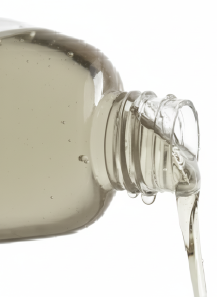
Product characteristics: Clear to slightly amber liquid concentrate; mild characteristic odor.
Solubility: Water-soluble.
Storage: Store tightly closed in a cool, dry place away from light and air.
| Test Name | Specification |
|---|---|
| Appearance | Clear to slightly amber liquid |
| Odor | Mild characteristic |
| Identification (HPLC) | Retention time matches carnosic acid reference |
| Assay (Carnosic Acid, HPLC) | 14.5–15.5% w/w |
| Solubility | Oil-soluble; not water-soluble |
| Heavy Metals (as Pb) | ≤20 ppm |
| Arsenic (As) | ≤2 ppm |
| Total Aerobic Microbial Count (TAMC) | ≤100 cfu/g |
| Yeast & Mold | ≤100 cfu/g |
| Pathogens (S. aureus, P. aeruginosa, C. albicans) | Absent/25 g |
No products
water-soluble carnosic acid concentrate (15% active). Carnosic acid is a lipophilic phenolic diterpene from rosemary (Salvia rosmarinus) with well-characterized antioxidant and cytoprotective behavior in skin-relevant systems. This concentrate streamlines incorporation of the active into topical formulas while helping maintain stability and delivery.
ReadySolve™ Carnosic Acid is a water-soluble 15% carnosic acid concentrate. Carnosic acid is a lipophilic phenolic diterpene from rosemary (Salvia rosmarinus) with well-characterized antioxidant and cytoprotective behavior in skin-relevant systems. This concentrate streamlines incorporation of the active into topical formulas while helping maintain stability and delivery.
Across skin models, carnosic acid demonstrates multiple performance axes: anti-inflammatory signaling control (notably STAT1 and NF-κB pathways), UV/photoaging moderation via suppression of MMP-1/3/9 and upstream oxidative signaling (ROS → MEK/ERK → AP-1), anti-virulence activity against Staphylococcus aureus through quorum-sensing (agr) interference with anti-biofilm effects, and wound-closure support with reduced post-inflammatory hyperpigmentation when formulated in suitable carriers. Antioxidant cytoprotection via Nrf2-pathway activation underpins these outcomes. Hair/scalp relevance is emerging from preclinical work. Most data are preclinical; efficacy in finished cosmetics depends on stabilization and delivery design.
This ReadySolve format provides standardized, easy-to-dose carnosic acid for creams, lotions, serums, and scalp leave-ons. Where aqueous delivery is required, encapsulation or robust solubilization is recommended. Limit heat/oxygen/light during processing and storage to protect the active.
Product Description: Detailed performance and formulation guidance
- Inflammatory dermatoses models: topical carnosic acid reduced lesion severity in psoriasis/rosacea mouse models alongside attenuation of STAT1-axis readouts, consistent with a calming/anti-redness role.
- UV/photoaging (keratinocytes/fibroblasts): limited UV-induced ROS, reduced downstream MEK/ERK/AP-1 signaling, and suppressed collagenase/gelatinase expression (MMP-1/3/9) — a mechanistic basis for preserving dermal matrix integrity.
- Antimicrobial/anti-virulence (skin relevance): selectively interferes with S. aureus agr quorum sensing, reduces virulence factor signaling and biofilm formation; in vitro synergies with aminoglycosides have been reported (formulation context dependent).
- Wound healing & PIH: lipid/vesicle-based gels delivering carnosic acid accelerated closure and dampened inflammatory markers with improved post-inflammatory hyperpigmentation outcomes; combinations with phenolic antioxidants (e.g., ellagic acid) reported additive/synergistic effects in preclinical settings.
- Antioxidant cytoprotection: acts as a strong radical quencher and engages Nrf2-associated defense programs in skin-relevant cells, supporting resilience under oxidative stress.
- Hair/scalp (emerging): preclinical evidence points to anti-inflammatory and potential anti-androgenic pathways relevant to alopecia concepts; translation to human scalp products requires appropriate delivery.
- Formulation & stability engineering: carnosic acid can oxidize or convert to carnosol; protect with encapsulation (e.g., liposomal/vesicle systems), oxygen/light control, antioxidant co-systems, and minimal heat. Alternative solvent systems (e.g., NADES-type) and lipid carriers can improve retention versus simple alcohols.
- System choices: works well in emulsions (O/W or W/O), anhydrous oils/balms, and surfactant-based leave-ons. For water-rich systems, use solubilizers or encapsulation to avoid crystallization/precipitation and to enhance delivery.
| Model/System | Key Endpoints | Implication |
|---|---|---|
| Keratinocytes/Fibroblasts | ↓ ROS, ↓ MEK/ERK/AP-1, ↓ MMP-1/3/9 | Photoaging moderation; matrix preservation |
| Psoriasis/Rosacea (mouse) | ↓ Inflammatory readouts; STAT1-axis attenuation | Calming/anti-redness support |
| S. aureus (skin-relevant) | agr QS interference; anti-biofilm | Supports compromised-skin routines |
| Wound/PIH (preclinical) | Faster closure; lower inflammatory markers; improved PIH | Recovery support concepts |
Usage: Serums, creams/lotions, spot treatments, post-procedure soothers, and scalp leave-ons within anti-redness, anti-photoaging, antioxidant, and recovery-support concepts.
Mixing method:
- Add during cool-down (≤40°C)
- Minimize heat/oxygen/light exposure; pair with antioxidant co-systems and choose barrier packaging where appropriate.
Usage rate: 1.0–7.0% of concentrate (delivers ~0.15–1.05% carnosic acid; typical ~3.0% → ~0.45%).
Product characteristics: Clear to slightly amber liquid concentrate; mild characteristic odor.
Solubility: Water-soluble.
Storage: Store tightly closed in a cool, dry place away from light and air.
| Mechanism | - |
| Appearance | - |
| Longevity | - |
| Strength | - |
| Long-term storage | - |
| Shelf Life | - |
| Allergen(s) | - |
| Dosage (Range) | - |
| Recommended Dosage | - |
| Dosage (Per Day) | - |
| Recommended Dosage (Per Day) | - |
| Mix Method | - |
| Heat Resistance | - |
| Stable in pH range | - |
| Solubility | - |
| Product Types | - |
| INCI | - |