


“Exact ingredient evidence: topical tocopherol acetate reduced post-UVB erythema, edema, and skin sensitivity in hairless mice, supporting after-sun soothing/photo-stress claims with preclinical scope.”
Oxidation-stable vitamin E acetate for oil-phase formulations, emulsions, balms, makeup, and sunscreen-support formulas; typically used around 0.1-2%.
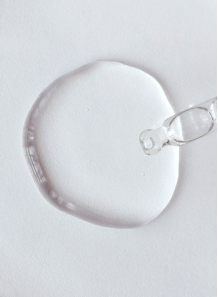
Vitamin E (Tocopheryl Acetate, Colorless) from Switzerland is an ester of tocopherol, used in cosmetics. It is a clear, colorless to very light yellow liquid and is highly soluble in oil.
Compared to free tocopherol, tocopheryl acetate is often chosen in formulations that require better oxidative stability during manufacturing and storage, while still maintaining the vitamin E and skin conditioning properties.
After application to the skin, this substance can be partially converted to tocopherol by the enzyme esterase. Therefore, the skin effect depends on the transformation after application and the formulation design. In practice, formulation developers prefer to use this ingredient when they want a substance that blends well with oil phases, has a light color, and helps enhance the stability of oils or highly emollient systems.
Product Description: This cosmetic-grade tocopheryl acetate raw material is suitable for emulsions, moisturizing oils, oil serums, balms, sticks, makeup, and sun-care support formulations that require a vitamin E derivative with better shelf life than free tocopherol in finished formulations. This ingredient supports the care of oxidative-sensitive oils and facilitates long-term formulation management. However, it should not be used as a preservative substitute, as its distinctly oil-loving nature makes it best suited for use in the oil phase or emollient-carrying systems. Once in an emulsion or oil system, it is generally usable within the typical cosmetic pH range, but prolonged high-temperature immersion should be avoided, and excessive exposure to light or air during handling should be minimized.
Uses: Creams, lotions, body oils, oil serums, balms, sticks, makeup, and as an auxiliary sunscreen formula.
Mixing instructions:
- Add to the oil phase before emulsification, or during the cooldown phase after the emulsion has set. The temperature should be below approximately 40 °C to 45 °C.
- In anhydrous oil, balm, or stick formulations, they can be melted directly into the oil-based mixture, and should not be heated for longer than necessary for melting and dispersion.
- During weighing, mixing, and storing raw materials, minimize unnecessary exposure to light and air.
Usage rate: Typically, around 0.1-2% is used. Lower levels, around 0.1-0.3%, are often used to help maintain the stability of oil and emollient systems. Levels of around 0.5-2% are more suitable when you want to emphasize skin-conditioning or vitamin E support.
Product characteristics: A clear, colorless to very light yellow, viscous liquid with a faint, distinctive odor.
Solubility: Soluble in oils, fats, and many oil-loving emollients. May be soluble in ethanol and some cosmetic solvents, but insoluble in water.
| Test Name | Specification |
|---|---|
| Appearance: Color | clear viscous oil |
| Appearance: Visual | colorless, almost colorless, slightly yellow, slightly greenish-yellow |
| Identity (GC) | corresponds |
| Optical rotation | -0.01 - +0.01 ° |
| Heavy metals (total) | ≤ 10 ppm |
| Lead | ≤ 2 ppm |
| Arsenic | ≤ 1 ppm |
| Mercury | ≤ 0.1 ppm |
| Cadmium | ≤ 0.5 ppm |
| Residual solvents: Pyridine | ≤ 80 ppm |
| Residual solvents: Toluene | ≤ 80 ppm |
| Acidity | ≤ 0.1 mL 0.10 N NaOH |
| dl-α-Tocopheryl acetate and related substances: Impurity A | ≤ 0.5 % |
| dl-α-Tocopheryl acetate and related substances: Impurity B | ≤ 0.6 % |
| dl-α-Tocopheryl acetate and related substances: Impurity C (free tocopherol) | ≤ 0.5 % |
| dl-α-Tocopheryl acetate and related substances: Sum of impurities D + E | ≤ 1.0 % |
| dl-α-Tocopheryl acetate and related substances: Any other impurity 1 | ≤ 0.25 % |
| dl-α-Tocopheryl acetate and related substances: Any other impurity 2 | ≤ 0.25 % |
| dl-α-Tocopheryl acetate and related substances: Any other impurity 3 (RRT:1.0625) | ≤ 0.25 % |
| dl-α-Tocopheryl acetate and related substances: Any other impurity 4 (RRT:1.123) | ≤ 0.25 % |
| dl-α-Tocopheryl acetate and related substances: Any other impurity 5 (RRT:1.1365) | ≤ 0.25 % |
| dl-α-Tocopheryl acetate and related substances: Any other impurity 6 (RRT:1.179) | ≤ 0.25 % |
| dl-α-Tocopheryl acetate and related substances: Total impurities | ≤ 2.5 % |
| Assay (Ph.Eur.) | 96.5 - 102.0 % |
| Assay (USP/FCC) | 96.0 - 102.0 % |
No products
Oxidation-stable vitamin E acetate for oil-phase formulations, emulsions, balms, makeup, and sunscreen-support formulas; typically used around 0.1-2%.
Vitamin E (Tocopheryl Acetate, Colorless) from Switzerland is an ester of tocopherol, used in cosmetics. It is a clear, colorless to very light yellow liquid and is highly soluble in oil.
Compared to free tocopherol, tocopheryl acetate is often chosen in formulations that require better oxidative stability during manufacturing and storage, while still maintaining the vitamin E and skin conditioning properties.
After application to the skin, this substance can be partially converted to tocopherol by the enzyme esterase. Therefore, the skin effect depends on the transformation after application and the formulation design. In practice, formulation developers prefer to use this ingredient when they want a substance that blends well with oil phases, has a light color, and helps enhance the stability of oils or highly emollient systems.
Product Description: This cosmetic-grade tocopheryl acetate raw material is suitable for emulsions, moisturizing oils, oil serums, balms, sticks, makeup, and sun-care support formulations that require a vitamin E derivative with better shelf life than free tocopherol in finished formulations. This ingredient supports the care of oxidative-sensitive oils and facilitates long-term formulation management. However, it should not be used as a preservative substitute, as its distinctly oil-loving nature makes it best suited for use in the oil phase or emollient-carrying systems. Once in an emulsion or oil system, it is generally usable within the typical cosmetic pH range, but prolonged high-temperature immersion should be avoided, and excessive exposure to light or air during handling should be minimized.
Uses: Creams, lotions, body oils, oil serums, balms, sticks, makeup, and as an auxiliary sunscreen formula.
Mixing instructions:
- Add to the oil phase before emulsification, or during the cooldown phase after the emulsion has set. The temperature should be below approximately 40 °C to 45 °C.
- In anhydrous oil, balm, or stick formulations, they can be melted directly into the oil-based mixture, and should not be heated for longer than necessary for melting and dispersion.
- During weighing, mixing, and storing raw materials, minimize unnecessary exposure to light and air.
Usage rate: Typically, around 0.1-2% is used. Lower levels, around 0.1-0.3%, are often used to help maintain the stability of oil and emollient systems. Levels of around 0.5-2% are more suitable when you want to emphasize skin-conditioning or vitamin E support.
Product characteristics: A clear, colorless to very light yellow, viscous liquid with a faint, distinctive odor.
Solubility: Soluble in oils, fats, and many oil-loving emollients. May be soluble in ethanol and some cosmetic solvents, but insoluble in water.
| Mechanism | - |
| Appearance | - |
| Longevity | - |
| Strength | - |
| Storage | - |
| Shelf Life | - |
| Allergen(s) | - |
| Dosage (Range) | - |
| Recommended Dosage | - |
| Dosage (Per Day) | - |
| Recommended Dosage (Per Day) | - |
| Mix Method | - |
| Heat Resistance | - |
| Stable in pH range | - |
| Solubility | - |
| Product Types | - |
| INCI | - |