


Natural Vitamin E (d-alpha tocopherol, 1490IU/g) – fat-soluble vitamin E concentrate from vegetable oils for dietary supplements and functional foods; typical supplemental use 100–400 IU/day with meals.
Natural Vitamin E (d-alpha tocopherol, 1490IU/g) fat-soluble vitamin E concentrate from vegetable oils used as a raw material for dietary supplements, softgels and functional foods where precise α-tocopherol activity per gram is required.
| Benefit | Typical study dose* | Key human findings | High-quality sources |
|---|---|---|---|
| 1 Antioxidant & cell protection | ~100–400 IU/day (≈67–268 mg d-alpha tocopherol), usually in divided doses with meals | Supports protection of polyunsaturated lipids from oxidation and helps maintain vitamin E status; outcome benefits depend on population and co-nutrients. | PubMed |
| 2 Immune & healthy aging support | Typically 100–200 IU/day in older adults | Studies report modulation of immune markers and oxidative stress parameters; overall effects on clinical endpoints remain modest and context-dependent. | PubMed |
| 3 Nutritional repletion in deficiency | Higher individualized doses under medical supervision | Used to correct vitamin E deficiency in fat-malabsorption or rare genetic disorders; dosing and monitoring must follow clinical guidance. | PubMed |
*Doses refer to d-alpha tocopherol equivalents from supplements; product formulations and local regulations differ.
| Test Name | Specification |
|---|---|
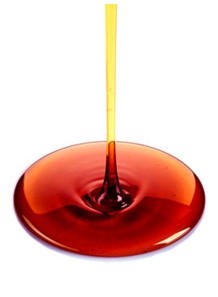
| Characters | Pale yellow to brownish-red viscous oily liquid, practically insoluble in water, freely soluble in acetone, in anhydrous ethanol, in methylene chloride and in fatty oils. |
| Identification A | Color reaction is bright red or orange. |
| Identification B | Specific optical rotation ≥ +24°. |
| Identification C | The retention time of the major peak in the chromatogram of the Assay preparation is the same as that of the Standard preparation. |
| Acidity (0.10N NaOH) | ≤ 1.0 mL. |
| Heavy metals | ≤ 10 ppm. |
| Residual solvents (Toluene) | ≤ 890 ppm. |
| Assay | ≥ 95.97%. |
No products
Natural Vitamin E (d-alpha tocopherol, 1490IU/g) – fat-soluble vitamin E concentrate from vegetable oils for dietary supplements and functional foods; typical supplemental use 100–400 IU/day with meals.
Natural Vitamin E (d-alpha tocopherol, 1490IU/g) fat-soluble vitamin E concentrate from vegetable oils used as a raw material for dietary supplements, softgels and functional foods where precise α-tocopherol activity per gram is required.
| Benefit | Typical study dose* | Key human findings | High-quality sources |
|---|---|---|---|
| 1 Antioxidant & cell protection | ~100–400 IU/day (≈67–268 mg d-alpha tocopherol), usually in divided doses with meals | Supports protection of polyunsaturated lipids from oxidation and helps maintain vitamin E status; outcome benefits depend on population and co-nutrients. | PubMed |
| 2 Immune & healthy aging support | Typically 100–200 IU/day in older adults | Studies report modulation of immune markers and oxidative stress parameters; overall effects on clinical endpoints remain modest and context-dependent. | PubMed |
| 3 Nutritional repletion in deficiency | Higher individualized doses under medical supervision | Used to correct vitamin E deficiency in fat-malabsorption or rare genetic disorders; dosing and monitoring must follow clinical guidance. | PubMed |
*Doses refer to d-alpha tocopherol equivalents from supplements; product formulations and local regulations differ.
| Mechanism | - |
| Appearance | - |
| Longevity | - |
| Strength | - |
| Long-term storage | - |
| Shelf Life | - |
| Allergen(s) | - |
| Dosage (Range) | - |
| Recommended Dosage | - |
| Dosage (Per Day) | - |
| Recommended Dosage (Per Day) | - |
| Mix Method | - |
| Heat Resistance | - |
| Stable in pH range | - |
| Solubility | - |
| Product Types | - |
| INCI | - |