


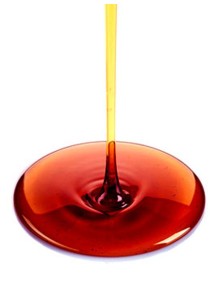
Natural Vitamin E Acetate (d-alpha tocopheryl acetate, 1360IU/g) stabilized ester form of vitamin E widely used in dietary supplements, softgels and fortified foods where improved oxidative stability and processing robustness are required.
| Benefit | Typical study dose* | Key human findings | High-quality sources |
|---|---|---|---|
| 1 Vitamin E supplementation | ~100–400 IU/day (labelled as vitamin E, often as d-alpha tocopheryl acetate) with meals | Capsules and softgels using tocopheryl acetate maintain vitamin E status and provide antioxidant support comparable to free tocopherol at equal d-alpha IU; stability during storage is typically better. | PubMed |
| 2 Stability in finished products | Formulation-dependent; usually 10–400 IU per serving in supplements | Acetate ester resists oxidation during storage and during tableting, encapsulation and coating processes better than free tocopherol, supporting more predictable labelled potency over shelf life. | PubMed |
*IU values refer to labelled vitamin E activity as d-alpha tocopherol equivalents; regulations and formulations differ between markets.
| Test Name | Specification |
|---|---|
| Characters | Pale yellow to brownish-red viscous oily liquid, practically insoluble in water, freely soluble in acetone, in anhydrous ethanol and in fatty oils. |
| Identification A | Color reaction is bright red or orange. |
| Identification B | Specific optical rotation ≥ +24°. |
| Identification C | The retention time of the major peak in the chromatogram of the Assay preparation is the same as that of the Standard preparation, both relative to the internal standard, as obtained in the Assay. |
| Acidity (0.10N NaOH) | ≤ 1.0 mL. |
| Heavy metals | ≤ 10 ppm. |
| Free tocopherol | ≤ 1.0%. |
| Assay | ≥ 96.0%. |
No products
Natural Vitamin E Acetate (d-alpha tocopheryl acetate, 1360IU/g) stabilized ester form of vitamin E widely used in dietary supplements, softgels and fortified foods where improved oxidative stability and processing robustness are required.
| Benefit | Typical study dose* | Key human findings | High-quality sources |
|---|---|---|---|
| 1 Vitamin E supplementation | ~100–400 IU/day (labelled as vitamin E, often as d-alpha tocopheryl acetate) with meals | Capsules and softgels using tocopheryl acetate maintain vitamin E status and provide antioxidant support comparable to free tocopherol at equal d-alpha IU; stability during storage is typically better. | PubMed |
| 2 Stability in finished products | Formulation-dependent; usually 10–400 IU per serving in supplements | Acetate ester resists oxidation during storage and during tableting, encapsulation and coating processes better than free tocopherol, supporting more predictable labelled potency over shelf life. | PubMed |
*IU values refer to labelled vitamin E activity as d-alpha tocopherol equivalents; regulations and formulations differ between markets.
| Mechanism | - |
| Appearance | - |
| Longevity | - |
| Strength | - |
| Long-term storage | - |
| Shelf Life | - |
| Allergen(s) | - |
| Dosage (Range) | - |
| Recommended Dosage | - |
| Dosage (Per Day) | - |
| Recommended Dosage (Per Day) | - |
| Mix Method | - |
| Heat Resistance | - |
| Stable in pH range | - |
| Solubility | - |
| Product Types | - |
| INCI | - |