


“Direct Loureirin A evidence: regulated HFSC epidermal differentiation markers, supporting a preclinical rationale for skin repair/regeneration.”
Experimental dragon’s blood flavonoid active (Loureirin A) with pre-clinical evidence for wound-inspired regeneration, HFSC/epidermal support and anti-inflammatory/anti-fibrotic signalling; the near-white Loureirin fraction (white to off-white, ≥95% HPLC, ≥98% purity), not the red color of the resin, accounts for most of the skin-relevant effects; pure powder, poorly water-soluble, for professional formulators only.
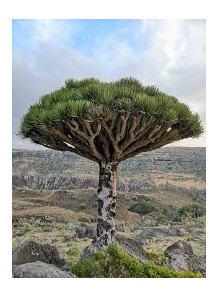
Loureirin A (Luoreirin A) is a flavonoid-type phenolic compound isolated from “dragon’s blood” resin, especially from Dracaena cochinchinensis, offered here as a high-purity cosmetic active for experimental and advanced skin-care formulations.
Pre-clinical work in cell cultures, animal models and tissue-engineered skin suggests that Loureirin A can promote wound closure and re-epithelialization, support hair-follicle-associated stem cells, modulate inflammatory signalling, and protect dermal matrix from oxidative and proteolytic damage, making it of interest for barrier-repair, sensitive-skin and post-procedure concepts.
Chemically, Loureirin A itself is a near-white flavonoid; most of the skin-relevant efficacy of dragon’s blood extracts is attributed to this nearly colorless Loureirin fraction, not to the red pigment of the resin. Typical COA specifications describe it as a white to off-white powder with HPLC content ≥95% and purity ≥98%, with low water and residue levels and tight microbiological limits.
However, almost all currently available data are pre-clinical; controlled human trials are scarce. Loureirin A should therefore be treated as a promising but experimental active: formulations should be designed conservatively, positioned as cosmetic (not medicinal), and supported by careful in-house tolerance and performance testing.
Usage context
Typically explored in barrier-support serums, repair creams, gels or spot treatments for compromised or over-treated skin (for example after peels, retinoids or procedural interventions), and in soothing formulas where attenuating inflammatory cascades and supporting orderly tissue remodelling are desired. It can also be combined with film-formers, humectants and barrier lipids in “rescue” or post-insult regimens.
Product Description:
In a tissue-engineered skin model using a Pelnac® scaffold seeded with hair follicle stem cells (HFSCs) and fibroblasts, incorporation of Loureirin A into the construct reduced inflammatory reaction around the wound by day 3, produced a newly formed epidermis that was thicker than normal skin with marked fibroblast proliferation by day 7, and yielded a skin structure approaching normal architecture by day 14.
Mechanistic work in HFSCs indicates that Loureirin A can activate Wnt/β-catenin signalling, down-regulating GSK-3β while increasing β-catenin and downstream targets such as c-Myc, cyclin D1, Tcf3 and Lef1, all of which are important for epidermal repair and hair follicle regeneration.
Additional studies show that Loureirin A drives HFSC differentiation toward an epidermal lineage through microRNA-regulated pathways: one report describes up-regulation of miR-339-5p targeting DLX5, while another implicates miR-203a-3p targeting Smad1, accompanied by increased expression of cytokeratin 5 (CK5) and involucrin—canonical markers of basal and differentiating epidermal keratinocytes.
Together, these data support a role for Loureirin A in promoting orderly re-epithelialization and strengthening of the epidermal barrier in pre-clinical models.
Beyond regeneration, Loureirin A shows anti-inflammatory and matrix-protective activity in non-skin systems. In an IL-1β–stimulated chondrocyte model, Loureirin A reduced MMP-9, attenuated degradation of aggrecan and type II collagen, and inhibited Akt phosphorylation and NF-κB nuclear translocation, illustrating its ability to dampen catabolic and inflammatory cascades.
Broader reviews highlight modulation of Wnt and AKT/mTOR/NF-κB pathways, suppression of MMPs and reduced cell migration in invasive models, as well as pre-clinical evidence for down-regulation of TGF-β1/Smad signalling and anti-angiogenic effects that together suggest anti-fibrotic and scar-modulating potential (including inhibition of keloid fibroblast proliferation) at the research level.
Dragon’s blood flavonoids including Loureirin A have also been associated with antiplatelet and microcirculation-supporting effects in systemic models, where Loureirin A inhibits platelet aggregation, reduces P-selectin expression and platelet spreading, and strongly suppresses Akt phosphorylation in platelets. Although these data are not from topical dosing, they are relevant to the broader context of wound repair where oxygenation and microcirculation matter.
A recent microbiology study further characterizes Loureirin A as a narrow-spectrum antimicrobial against Helicobacter pylori, underscoring that it can exert direct antimicrobial effects, even though targeted topical antimicrobial activity on skin has not yet been demonstrated.
Taken together, these pre-clinical findings position Loureirin A as a multi-modal, experimental cosmetic active that can, in models, accelerate closure of wound-like defects, enhance the quality of regenerated epidermis and adnexal structures, dampen pro-inflammatory and pro-fibrotic signalling, and offer mechanistic support for barrier-repair and “wound-inspired” skin care.
Translation to routine human topical use remains unproven; formulations should therefore keep dosages modest, combine Loureirin A with established barrier and soothing systems, and rely on in-house clinical testing rather than extrapolating directly from animal or engineered-skin data.
| Model/System | Key Endpoints (from pre-clinical work) | Implication |
|---|---|---|
| Tissue-engineered skin (Pelnac® scaffold + HFSCs + fibroblasts) | reduced inflammatory reaction (day 3); thicker newly formed epidermis + marked fibroblast proliferation (day 7); architecture approaching normal (day 14) | Wound-inspired regeneration context |
| HFSC mechanistic studies | Wnt/β-catenin activation (↓ GSK-3β; ↑ β-catenin); ↑ c-Myc, cyclin D1, Tcf3, Lef1 | Epidermal repair / hair follicle regeneration signalling |
| HFSC differentiation (microRNA-regulated pathways) | ↑ miR-339-5p → DLX5; ↑ miR-203a-3p → Smad1; ↑ CK5 + involucrin | Re-epithelialization / epidermal barrier support (pre-clinical) |
| IL-1β–stimulated chondrocytes (non-skin model) | ↓ MMP-9; ↓ aggrecan/type II collagen degradation; ↓ Akt phosphorylation; ↓ NF-κB nuclear translocation | Anti-inflammatory / matrix-protective signalling context |
| Systemic platelet models / microbiology reports | ↓ platelet aggregation; ↓ P-selectin; ↓ platelet spreading; strong Akt phosphorylation suppression; narrow-spectrum antimicrobial vs Helicobacter pylori | Broader wound-repair context; targeted topical skin antimicrobial not established |
Usage: Cosmetic active for barrier-support and repair-oriented formulas, soothing serums and gels for sensitive or redness-prone skin, post-procedure and post-insult care (non-medicinal), and supporting actives in products where controlled remodelling and better quality of new tissue are desired.
- Leave-on face and body serums focused on barrier support and redness moderation
- Repair creams or balms for over-treated, dry or flaky areas
- Light gels for oily/combination or acne-prone skin needing calming without occlusion
- Adjunct actives in after-sun or post-procedure care (always under medical guidance when used around clinical procedures)
Mixing method:
- Do not add the raw powder directly into the main water phase; pre-disperse in a suitable solvent system.
- Pre-dissolve in a high-solvency cosmetic medium such as ethanol/propylene glycol mixtures or mixed cosmetic glycols, or prepare a concentrated glycolic or hydroalcoholic solution, then add this concentrate in the cool-down stage (<40°C).
- For water-based gels or serums, first solubilize Loureirin A in a small amount of cosmetic-grade glycol blend and then dilute into the aqueous phase with appropriate solubilizers or surfactants to avoid precipitation.
- Avoid prolonged exposure to high temperature, strong light or air during processing and storage; formulate in light-protected packaging where possible.
Usage rate: 0.01–0.10% Loureirin A in the finished formula (typical exploratory range ~0.02–0.05%), subject to regulatory limits and skin safety assessment.
Because this SKU is supplied as highly enriched Loureirin A, the delivered-active percentage in the finished product approximates the percentage used. Formulate conservatively and increase only after evaluating stability and tolerance.
Product characteristics: White to off-white powder; nearly colourless solid with characteristic phenolic/resinous odor.
Solubility: Practically insoluble in pure water; soluble in cosmetic organic solvent systems; sparingly to moderately soluble in ethanol or propylene glycol mixtures; dispersible in water when pre-solubilized in glycols or supported by surfactant systems.
For external use in cosmetic formulations by trained personnel only. Not a finished cosmetic, not a drug, and not intended to claim wound treatment or cure of any medical condition; all performance and safety must be confirmed on the final product.
| Test Name | Specification |
|---|---|
| Description | White to off-white powder |
| Content (HPLC), % | ≥ 95.00 |
| Purity (HPLC), % | ≥ 98.00 |
| Water content, % | ≤ 1.00 |
| Residue on ignition, % | ≤ 0.50 |
| Total plate count, CFU/g | ≤ 100 |
| Molds & Yeast, CFU/g | ≤ 50 |
No products
Experimental dragon’s blood flavonoid active (Loureirin A) with pre-clinical evidence for wound-inspired regeneration, HFSC/epidermal support and anti-inflammatory/anti-fibrotic signalling; the near-white Loureirin fraction (white to off-white, ≥95% HPLC, ≥98% purity), not the red color of the resin, accounts for most of the skin-relevant effects; pure powder, poorly water-soluble, for professional formulators only.
Loureirin A (Luoreirin A) is a flavonoid-type phenolic compound isolated from “dragon’s blood” resin, especially from Dracaena cochinchinensis, offered here as a high-purity cosmetic active for experimental and advanced skin-care formulations.
Pre-clinical work in cell cultures, animal models and tissue-engineered skin suggests that Loureirin A can promote wound closure and re-epithelialization, support hair-follicle-associated stem cells, modulate inflammatory signalling, and protect dermal matrix from oxidative and proteolytic damage, making it of interest for barrier-repair, sensitive-skin and post-procedure concepts.
Chemically, Loureirin A itself is a near-white flavonoid; most of the skin-relevant efficacy of dragon’s blood extracts is attributed to this nearly colorless Loureirin fraction, not to the red pigment of the resin. Typical COA specifications describe it as a white to off-white powder with HPLC content ≥95% and purity ≥98%, with low water and residue levels and tight microbiological limits.
However, almost all currently available data are pre-clinical; controlled human trials are scarce. Loureirin A should therefore be treated as a promising but experimental active: formulations should be designed conservatively, positioned as cosmetic (not medicinal), and supported by careful in-house tolerance and performance testing.
Usage context
Typically explored in barrier-support serums, repair creams, gels or spot treatments for compromised or over-treated skin (for example after peels, retinoids or procedural interventions), and in soothing formulas where attenuating inflammatory cascades and supporting orderly tissue remodelling are desired. It can also be combined with film-formers, humectants and barrier lipids in “rescue” or post-insult regimens.
Product Description:
In a tissue-engineered skin model using a Pelnac® scaffold seeded with hair follicle stem cells (HFSCs) and fibroblasts, incorporation of Loureirin A into the construct reduced inflammatory reaction around the wound by day 3, produced a newly formed epidermis that was thicker than normal skin with marked fibroblast proliferation by day 7, and yielded a skin structure approaching normal architecture by day 14.
Mechanistic work in HFSCs indicates that Loureirin A can activate Wnt/β-catenin signalling, down-regulating GSK-3β while increasing β-catenin and downstream targets such as c-Myc, cyclin D1, Tcf3 and Lef1, all of which are important for epidermal repair and hair follicle regeneration.
Additional studies show that Loureirin A drives HFSC differentiation toward an epidermal lineage through microRNA-regulated pathways: one report describes up-regulation of miR-339-5p targeting DLX5, while another implicates miR-203a-3p targeting Smad1, accompanied by increased expression of cytokeratin 5 (CK5) and involucrin—canonical markers of basal and differentiating epidermal keratinocytes.
Together, these data support a role for Loureirin A in promoting orderly re-epithelialization and strengthening of the epidermal barrier in pre-clinical models.
Beyond regeneration, Loureirin A shows anti-inflammatory and matrix-protective activity in non-skin systems. In an IL-1β–stimulated chondrocyte model, Loureirin A reduced MMP-9, attenuated degradation of aggrecan and type II collagen, and inhibited Akt phosphorylation and NF-κB nuclear translocation, illustrating its ability to dampen catabolic and inflammatory cascades.
Broader reviews highlight modulation of Wnt and AKT/mTOR/NF-κB pathways, suppression of MMPs and reduced cell migration in invasive models, as well as pre-clinical evidence for down-regulation of TGF-β1/Smad signalling and anti-angiogenic effects that together suggest anti-fibrotic and scar-modulating potential (including inhibition of keloid fibroblast proliferation) at the research level.
Dragon’s blood flavonoids including Loureirin A have also been associated with antiplatelet and microcirculation-supporting effects in systemic models, where Loureirin A inhibits platelet aggregation, reduces P-selectin expression and platelet spreading, and strongly suppresses Akt phosphorylation in platelets. Although these data are not from topical dosing, they are relevant to the broader context of wound repair where oxygenation and microcirculation matter.
A recent microbiology study further characterizes Loureirin A as a narrow-spectrum antimicrobial against Helicobacter pylori, underscoring that it can exert direct antimicrobial effects, even though targeted topical antimicrobial activity on skin has not yet been demonstrated.
Taken together, these pre-clinical findings position Loureirin A as a multi-modal, experimental cosmetic active that can, in models, accelerate closure of wound-like defects, enhance the quality of regenerated epidermis and adnexal structures, dampen pro-inflammatory and pro-fibrotic signalling, and offer mechanistic support for barrier-repair and “wound-inspired” skin care.
Translation to routine human topical use remains unproven; formulations should therefore keep dosages modest, combine Loureirin A with established barrier and soothing systems, and rely on in-house clinical testing rather than extrapolating directly from animal or engineered-skin data.
| Model/System | Key Endpoints (from pre-clinical work) | Implication |
|---|---|---|
| Tissue-engineered skin (Pelnac® scaffold + HFSCs + fibroblasts) | reduced inflammatory reaction (day 3); thicker newly formed epidermis + marked fibroblast proliferation (day 7); architecture approaching normal (day 14) | Wound-inspired regeneration context |
| HFSC mechanistic studies | Wnt/β-catenin activation (↓ GSK-3β; ↑ β-catenin); ↑ c-Myc, cyclin D1, Tcf3, Lef1 | Epidermal repair / hair follicle regeneration signalling |
| HFSC differentiation (microRNA-regulated pathways) | ↑ miR-339-5p → DLX5; ↑ miR-203a-3p → Smad1; ↑ CK5 + involucrin | Re-epithelialization / epidermal barrier support (pre-clinical) |
| IL-1β–stimulated chondrocytes (non-skin model) | ↓ MMP-9; ↓ aggrecan/type II collagen degradation; ↓ Akt phosphorylation; ↓ NF-κB nuclear translocation | Anti-inflammatory / matrix-protective signalling context |
| Systemic platelet models / microbiology reports | ↓ platelet aggregation; ↓ P-selectin; ↓ platelet spreading; strong Akt phosphorylation suppression; narrow-spectrum antimicrobial vs Helicobacter pylori | Broader wound-repair context; targeted topical skin antimicrobial not established |
Usage: Cosmetic active for barrier-support and repair-oriented formulas, soothing serums and gels for sensitive or redness-prone skin, post-procedure and post-insult care (non-medicinal), and supporting actives in products where controlled remodelling and better quality of new tissue are desired.
- Leave-on face and body serums focused on barrier support and redness moderation
- Repair creams or balms for over-treated, dry or flaky areas
- Light gels for oily/combination or acne-prone skin needing calming without occlusion
- Adjunct actives in after-sun or post-procedure care (always under medical guidance when used around clinical procedures)
Mixing method:
- Do not add the raw powder directly into the main water phase; pre-disperse in a suitable solvent system.
- Pre-dissolve in a high-solvency cosmetic medium such as ethanol/propylene glycol mixtures or mixed cosmetic glycols, or prepare a concentrated glycolic or hydroalcoholic solution, then add this concentrate in the cool-down stage (<40°C).
- For water-based gels or serums, first solubilize Loureirin A in a small amount of cosmetic-grade glycol blend and then dilute into the aqueous phase with appropriate solubilizers or surfactants to avoid precipitation.
- Avoid prolonged exposure to high temperature, strong light or air during processing and storage; formulate in light-protected packaging where possible.
Usage rate: 0.01–0.10% Loureirin A in the finished formula (typical exploratory range ~0.02–0.05%), subject to regulatory limits and skin safety assessment.
Because this SKU is supplied as highly enriched Loureirin A, the delivered-active percentage in the finished product approximates the percentage used. Formulate conservatively and increase only after evaluating stability and tolerance.
Product characteristics: White to off-white powder; nearly colourless solid with characteristic phenolic/resinous odor.
Solubility: Practically insoluble in pure water; soluble in cosmetic organic solvent systems; sparingly to moderately soluble in ethanol or propylene glycol mixtures; dispersible in water when pre-solubilized in glycols or supported by surfactant systems.
For external use in cosmetic formulations by trained personnel only. Not a finished cosmetic, not a drug, and not intended to claim wound treatment or cure of any medical condition; all performance and safety must be confirmed on the final product.
| Mechanism | - |
| Appearance | - |
| Longevity | - |
| Strength | - |
| Storage | - |
| Shelf Life | - |
| Allergen(s) | - |
| Dosage (Range) | - |
| Recommended Dosage | - |
| Dosage (Per Day) | - |
| Recommended Dosage (Per Day) | - |
| Mix Method | - |
| Heat Resistance | - |
| Stable in pH range | - |
| Solubility | - |
| Product Types | - |
| INCI | - |