


naturally occurring substances gel-like inserted between skin cells acts like a reservoir for water to cells protects the structure of skin cells
Hyaluronic Acid Hyaluronic Acid is a naturally occurring substance. gel-like inserted between skin cells acts like a reservoir for water to cells protects the structure of skin cells As we age, the amount of hyaluronic acid decreases. causing the skin to become dehydrated And wrinkles appear. Using Hyaluronic Acid on the skin can strengthen the skin to be more moisturized. and reduce wrinkles that may occur
Currently, research shows that eating Hyaluronic Acid helps to increase skin moisture. Helps maintain healthy skin
(Currently, Thailand FDA does not allow use in dietary supplements, products sold here for experiment/research purposes only)
| Test Name | Specification |
|---|---|
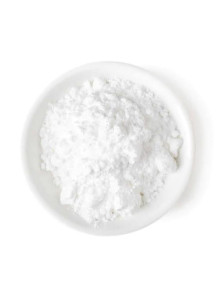
| Appearance | White powder |
| Odor | Odorless |
| Glucuronic Acid | Min 46.0% |
| Sodium Hyaluronate | Min 95.0% |
| Molecular Weight | 0.8M-1.5MDa |
| pH (0.1% Water Solution) | 6.0 ~ 7.5 |
| Protein | Max 0.05% |
| Limiting viscosity | 14.5-23.6dl/g |
| Transparency (0.1% Water Solution) | Min 99.0% |
| Residue on ignition | Max 20.0% |
| Loss on drying | Max 10.0% |
| Heavy Metals (as Pb) | Max 20ppm |
| Arsenic | Max 2ppm |
| Hemolysis | Negative |
| Total plate count | Max 100 CFU/g |
| Total yeast & mold | Max 50 CFU/g |
| Pseudomonas aeruginosa | Negative |
| Staphylococcus aureus | Negative |
| Viable hemolytic streptococcus | Negative |
No products
naturally occurring substances gel-like inserted between skin cells acts like a reservoir for water to cells protects the structure of skin cells
Hyaluronic Acid Hyaluronic Acid is a naturally occurring substance. gel-like inserted between skin cells acts like a reservoir for water to cells protects the structure of skin cells As we age, the amount of hyaluronic acid decreases. causing the skin to become dehydrated And wrinkles appear. Using Hyaluronic Acid on the skin can strengthen the skin to be more moisturized. and reduce wrinkles that may occur
Currently, research shows that eating Hyaluronic Acid helps to increase skin moisture. Helps maintain healthy skin
(Currently, Thailand FDA does not allow use in dietary supplements, products sold here for experiment/research purposes only)
| Mechanism | - |
| Appearance | - |
| Longevity | - |
| Strength | - |
| Storage | - |
| Shelf Life | - |
| Allergen(s) | - |
| Dosage (Range) | - |
| Recommended Dosage | - |
| Dosage (Per Day) | - |
| Recommended Dosage (Per Day) | - |
| Mix Method | - |
| Heat Resistance | - |
| Stable in pH range | - |
| Solubility | - |
| Product Types | - |
| INCI | - |