


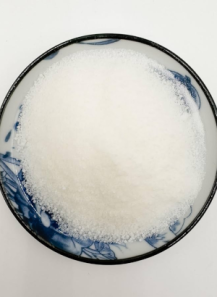
Oleoyl‑ethanolamide (OEA) food‑grade powder; typical 125 mg BID with RCT support for appetite/weight and oxidative‑stress markers.
oleoyl‑ethanolamide (OEA) — the monoethanolamide of oleic acid. That’s different from oleamide (simple amide; animal sleep lipid)
| Benefit | Typical study dose* | Key human findings | High-quality sources |
|---|---|---|---|
| Appetite & weight | 250 mg/day (125 mg BID), 8 weeks | ↓ hunger, body weight, BMI, waist; ↑ PPAR‑α expression vs placebo. | PubMed |
| Oxidative stress | 200–300 mg/day, 8–12 weeks | ↑ TAC, SOD; ↓ MDA, ox‑LDL. Cytokines mixed across trials. | Frontiers 2023 |
| Lipids & glycemia | 250–300 mg/day, 8–12 weeks | Signals for ↓ triglycerides and improved fasting glucose/HOMA‑IR (pooled analyses, needs more RCTs). | BMC 2024, Frontiers 2025 |
*Common study pattern: ≥250 mg/day for ≥8 weeks.
| Test Name | Specification |
|---|---|
| Appearance | White to pale yellowish fine powder |
| Granularity | 80 mesh |
| Content | ≥85% (HPLC) |
| Odor & Taste | Special Sour |
| Loss on drying | ≤5.0% |
| Heavy metal ppm | ≤10 |
| Lead (ppm) | ≤1.0 |
| Arsenic (ppm) | ≤1.50 |
| Ash Content | ≤5.0% |
| Total Bacteria | ≤1000 cfu/g |
| Yeast Mold | ≤100 cfu/g |
| Salmonella | Negative |
| E.Coli | Negative |
| Pesticides residues | Meet the RS |
No products
Oleoyl‑ethanolamide (OEA) food‑grade powder; typical 125 mg BID with RCT support for appetite/weight and oxidative‑stress markers.
oleoyl‑ethanolamide (OEA) — the monoethanolamide of oleic acid. That’s different from oleamide (simple amide; animal sleep lipid)
| Benefit | Typical study dose* | Key human findings | High-quality sources |
|---|---|---|---|
| Appetite & weight | 250 mg/day (125 mg BID), 8 weeks | ↓ hunger, body weight, BMI, waist; ↑ PPAR‑α expression vs placebo. | PubMed |
| Oxidative stress | 200–300 mg/day, 8–12 weeks | ↑ TAC, SOD; ↓ MDA, ox‑LDL. Cytokines mixed across trials. | Frontiers 2023 |
| Lipids & glycemia | 250–300 mg/day, 8–12 weeks | Signals for ↓ triglycerides and improved fasting glucose/HOMA‑IR (pooled analyses, needs more RCTs). | BMC 2024, Frontiers 2025 |
*Common study pattern: ≥250 mg/day for ≥8 weeks.
| Mechanism | - |
| Appearance | - |
| Longevity | - |
| Strength | - |
| Storage | - |
| Shelf Life | - |
| Allergen(s) | - |
| Dosage (Range) | - |
| Recommended Dosage | - |
| Dosage (Per Day) | - |
| Recommended Dosage (Per Day) | - |
| Mix Method | - |
| Heat Resistance | - |
| Stable in pH range | - |
| Solubility | - |
| Product Types | - |
| INCI | - |