


“Closest safflower-flower extract evidence: hot-water extract inhibited elastase and MMP-1 and improved HaCaT scratch-wound closure, supporting anti-wrinkle/wound-healing potential.”
Controlled sterilization, suitable for use in oil-based cosmetic products.
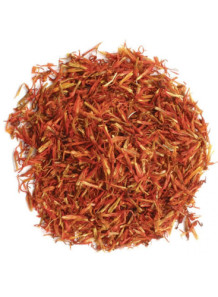
Dried Safflower Flower (for oil-based)
Controlled sterilization, suitable for use in oil-based cosmetic products.
| Test Name | Specification |
|---|---|
| Appearance | Dried flowers |
| Odor | Faint characteristics |
| Total Plate Count | 1000CFU/g Max |
| Total Yeast and Mold Count | 100CFU/g Max |
| Staphylococcus Aureus | Negative |
| Candida Albicans | Negative |
| Gram Negative Bacteria | Negative |
No products
Controlled sterilization, suitable for use in oil-based cosmetic products.
Dried Safflower Flower (for oil-based)
Controlled sterilization, suitable for use in oil-based cosmetic products.
| Mechanism | - |
| Appearance | - |
| Longevity | - |
| Strength | - |
| Storage | - |
| Shelf Life | - |
| Allergen(s) | - |
| Dosage (Range) | - |
| Recommended Dosage | - |
| Dosage (Per Day) | - |
| Recommended Dosage (Per Day) | - |
| Mix Method | - |
| Heat Resistance | - |
| Stable in pH range | - |
| Solubility | - |
| Product Types | - |
| INCI | - |