


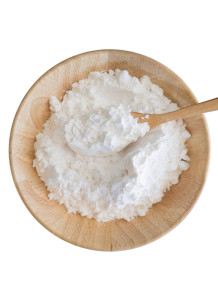
It has a slightly sweet taste. It is commonly used as a substitute for maltodextrin or used in food recipes to add fiber. It can dissolve in clear water. Easily dissolved in water
90% Fiber, from Corn or Tapioca
Resistant Dextrin (90% Fiber) is a dextrin that is difficult to digest.
It has a slightly sweet taste and is commonly used as a substitute for maltodextrin or in food recipes to increase fiber.
Can dissolve in clear water Easily dissolves in water
Benefits of Resistant Dextrin in various aspects:
Blood sugar control: Resistant dextrin may improve blood sugar control by slowing carbohydrate absorption and increasing insulin sensitivity.
Digestive health: Resistant dextrin may help improve digestive health by promoting the growth of beneficial bacteria in the intestines and increasing bowel movements.
Weight control: Resistant dextrin may help promote weight loss by reducing appetite. Increase the feeling of fullness and reduce calorie intake
Cholesterol control: Resistant dextrin may help lower cholesterol levels by reducing the absorption of dietary cholesterol.
Immune system support: resistant dextrin may help support the immune system by promoting the growth of beneficial bacteria in the gut.
Anti-inflammatory: resistant dextrin has been found to have anti-inflammatory properties. This may be beneficial in treating conditions such as rheumatoid arthritis and osteoarthritis.
Satiety: Resistant dextrin is a fermentable fiber that can ferment in the large intestine and produce short-chain fatty acids that promote satiety.
| Test Name | Specification |
|---|---|
| Appearance | Powder without skin shape, no visible impurities |
| Color | White or slightly yellow |
| Odor & Taste | No abnormal odor, slightly sweet taste |
| Moisture (%) | ≤6.0 |
| Ash (%) | ≤0.5 |
| Total Dietary Fiber (%) | ≥82 |
| pH | 3.0-6.0 |
| Sulfur Dioxide Residue (mg/kg) | ≤40 |
| Lead (mg/kg) | ≤0.5 |
| Cadmium (mg/kg) | ≤0.1 |
| Total Bacterial Count (CFU/g) | ≤1000 |
| Molds & Yeasts (CFU/g) | ≤100 |
| Coliform (MPN/g) | ≤0.3 |
No products
It has a slightly sweet taste. It is commonly used as a substitute for maltodextrin or used in food recipes to add fiber. It can dissolve in clear water. Easily dissolved in water
90% Fiber, from Corn or Tapioca
Resistant Dextrin (90% Fiber) is a dextrin that is difficult to digest.
It has a slightly sweet taste and is commonly used as a substitute for maltodextrin or in food recipes to increase fiber.
Can dissolve in clear water Easily dissolves in water
Benefits of Resistant Dextrin in various aspects:
Blood sugar control: Resistant dextrin may improve blood sugar control by slowing carbohydrate absorption and increasing insulin sensitivity.
Digestive health: Resistant dextrin may help improve digestive health by promoting the growth of beneficial bacteria in the intestines and increasing bowel movements.
Weight control: Resistant dextrin may help promote weight loss by reducing appetite. Increase the feeling of fullness and reduce calorie intake
Cholesterol control: Resistant dextrin may help lower cholesterol levels by reducing the absorption of dietary cholesterol.
Immune system support: resistant dextrin may help support the immune system by promoting the growth of beneficial bacteria in the gut.
Anti-inflammatory: resistant dextrin has been found to have anti-inflammatory properties. This may be beneficial in treating conditions such as rheumatoid arthritis and osteoarthritis.
Satiety: Resistant dextrin is a fermentable fiber that can ferment in the large intestine and produce short-chain fatty acids that promote satiety.
| Mechanism | - |
| Appearance | - |
| Longevity | - |
| Strength | - |
| Storage | - |
| Shelf Life | - |
| Allergen(s) | - |
| Dosage (Range) | - |
| Recommended Dosage | - |
| Dosage (Per Day) | - |
| Recommended Dosage (Per Day) | - |
| Mix Method | - |
| Heat Resistance | - |
| Stable in pH range | - |
| Solubility | - |
| Product Types | - |
| INCI | - |