


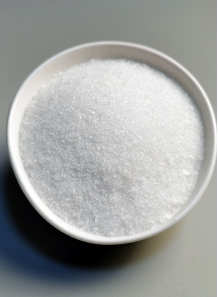
Monoammonium phosphate (MAP, NH4H2PO4) 99% — water‑soluble phosphate salt for fertilizers, buffering/pH control, fermentation nutrients, and general industrial applications.
Ammonium phosphate monobasic (99%) (also known as monoammonium phosphate; ammonium dihydrogen phosphate) is a water‑soluble inorganic phosphate salt used as a source of phosphate (PO4) and ammonium nitrogen (NH4+).
In aqueous systems it provides an acidic phosphate component and is commonly paired with dibasic phosphate salts (e.g., diammonium phosphate or disodium phosphate) to build phosphate buffer systems and control pH. Its high solubility also makes it practical for liquid dosing, fertigation, and process solutions.
Chemical Information:
Chemical Name: Ammonium dihydrogen phosphate (Monoammonium phosphate)
CAS Number: 7722-76-1
Molecular Formula: NH4H2PO4
Molecular Weight: 115.03 g/mol
EC Number: 231-764-5
Physical Properties:
Appearance: White crystalline powder
Purity (Assay): ≥99%
Melting Point: Decomposes on heating (typical >190°C)
Flash Point: N/A (inorganic salt)
Solubility in Water: Soluble
pH: N/A (solid; depends on concentration). Typical aqueous solutions are mildly acidic.
Specifications:
Assay: ≥99%
Other limits: N/A (see COA when available)
Applications:
- Agriculture/fertilizers: water‑soluble phosphorus + nitrogen source; used in solid blends and fertigation programs.
- Fire safety: commonly used in dry chemical fire‑extinguisher powders and as a phosphate component in flame‑retardant systems (grade/application dependent).
- Fermentation/bioprocess: phosphate and nitrogen nutrient for yeast/bacteria media; can support buffering in culture and process solutions.
- Buffering & process chemistry: preparation of phosphate buffers and pH control in industrial and laboratory solutions.
- General formulation: phosphate source for intermediate reactions and process baths where a soluble, acidic phosphate salt is required.
Safety Information (GHS):
Classification: Not classified as hazardous under GHS in many SDS; dust may irritate eyes/respiratory tract.
Signal Word: None
Hazard Statements: N/A (not classified) / avoid dust exposure
Precautionary Statements: Avoid generating/breathing dust; wear safety glasses and gloves; wash hands after handling.
UN Number: Not regulated for transport (typical)
Packing Group: N/A
Incompatibilities:
Strong alkalis (may release ammonia); strong oxidizing agents. Keep away from moisture to prevent caking.
Storage:
Store in a cool, dry, well‑ventilated area
Keep container tightly closed and protected from humidity
Store separately from strong alkalis and incompatible chemicals
Temperature: ambient (keep dry)
Handling Precautions:
Use good industrial hygiene practices
Wear appropriate PPE (gloves, safety glasses, lab coat)
Avoid contact with eyes; avoid breathing dust
Shelf Life: 24 months (typical when stored sealed and dry)
Environmental Information:
Phosphate salts can contribute to eutrophication; prevent release to drains and dispose according to local regulations.
No products
Monoammonium phosphate (MAP, NH4H2PO4) 99% — water‑soluble phosphate salt for fertilizers, buffering/pH control, fermentation nutrients, and general industrial applications.
Ammonium phosphate monobasic (99%) (also known as monoammonium phosphate; ammonium dihydrogen phosphate) is a water‑soluble inorganic phosphate salt used as a source of phosphate (PO4) and ammonium nitrogen (NH4+).
In aqueous systems it provides an acidic phosphate component and is commonly paired with dibasic phosphate salts (e.g., diammonium phosphate or disodium phosphate) to build phosphate buffer systems and control pH. Its high solubility also makes it practical for liquid dosing, fertigation, and process solutions.
Chemical Information:
Chemical Name: Ammonium dihydrogen phosphate (Monoammonium phosphate)
CAS Number: 7722-76-1
Molecular Formula: NH4H2PO4
Molecular Weight: 115.03 g/mol
EC Number: 231-764-5
Physical Properties:
Appearance: White crystalline powder
Purity (Assay): ≥99%
Melting Point: Decomposes on heating (typical >190°C)
Flash Point: N/A (inorganic salt)
Solubility in Water: Soluble
pH: N/A (solid; depends on concentration). Typical aqueous solutions are mildly acidic.
Specifications:
Assay: ≥99%
Other limits: N/A (see COA when available)
Applications:
- Agriculture/fertilizers: water‑soluble phosphorus + nitrogen source; used in solid blends and fertigation programs.
- Fire safety: commonly used in dry chemical fire‑extinguisher powders and as a phosphate component in flame‑retardant systems (grade/application dependent).
- Fermentation/bioprocess: phosphate and nitrogen nutrient for yeast/bacteria media; can support buffering in culture and process solutions.
- Buffering & process chemistry: preparation of phosphate buffers and pH control in industrial and laboratory solutions.
- General formulation: phosphate source for intermediate reactions and process baths where a soluble, acidic phosphate salt is required.
Safety Information (GHS):
Classification: Not classified as hazardous under GHS in many SDS; dust may irritate eyes/respiratory tract.
Signal Word: None
Hazard Statements: N/A (not classified) / avoid dust exposure
Precautionary Statements: Avoid generating/breathing dust; wear safety glasses and gloves; wash hands after handling.
UN Number: Not regulated for transport (typical)
Packing Group: N/A
Incompatibilities:
Strong alkalis (may release ammonia); strong oxidizing agents. Keep away from moisture to prevent caking.
Storage:
Store in a cool, dry, well‑ventilated area
Keep container tightly closed and protected from humidity
Store separately from strong alkalis and incompatible chemicals
Temperature: ambient (keep dry)
Handling Precautions:
Use good industrial hygiene practices
Wear appropriate PPE (gloves, safety glasses, lab coat)
Avoid contact with eyes; avoid breathing dust
Shelf Life: 24 months (typical when stored sealed and dry)
Environmental Information:
Phosphate salts can contribute to eutrophication; prevent release to drains and dispose according to local regulations.
| Mechanism | - |
| Appearance | - |
| Longevity | - |
| Strength | - |
| Long-term storage | - |
| Shelf Life | - |
| Allergen(s) | - |
| Dosage (Range) | - |
| Recommended Dosage | - |
| Dosage (Per Day) | - |
| Recommended Dosage (Per Day) | - |
| Mix Method | - |
| Heat Resistance | - |
| Stable in pH range | - |
| Solubility | - |
| Product Types | - |
| INCI | - |