


Organophosphonate antiscalant and metal-control agent, typically supplied as about 50% aqueous solution for cooling water, peroxide stabilization, detergents, and technical cleaning systems.
2-Phosphonobutane-1,2,4-Tricarboxylic Acid (PBTCA) is an organophosphonate scale-control chemistry used in industrial water systems and technical cleaning formulations. This product is supplied in the common commercial aqueous form of PBTCA, typically around 50% active in water, giving a strongly acidic but practical liquid for feed-and-control programs.
PBTCA works through a combination of threshold inhibition, crystal distortion, and metal-ion sequestration. In use it helps reduce calcium carbonate and calcium phosphate deposition on heat-transfer surfaces, keeps dissolved iron and other transition metals from accelerating instability, and supports cleaner operation in peroxide-containing systems where oxidative robustness matters.
For industrial formulation, PBTCA is normally pre-diluted with water and dosed into the bulk water stream or into the make-up / recirculation loop at a point with good mixing. Because the concentrate is acidic and may corrode incompatible metals, formulators should confirm final pH, avoid direct contact with unprotected metal hardware, and use compatible feed or storage materials such as glass, PVC, PP, or PE-lined equipment.
Chemical Information:
Chemical Name: 2-Phosphonobutane-1,2,4-tricarboxylic acid
CAS Number: 37971-36-1
Molecular Formula: C7H11O9P
Molecular Weight: 270.13 g/mol
EC Number: 253-733-5
Physical Properties:
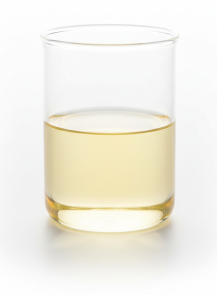
Appearance: Clear to pale yellow liquid
Commercial Form: Typically about 50% in water
Odor: Slight
pH: 1.5-2.5 (1% solution)
Freezing Point: Below -15 °C
Solubility in Water: Fully water-compatible; readily diluted with water
Applications:
- Cooling-water and recirculating-water antiscalant programs
- Calcium carbonate / calcium phosphate deposit control in industrial water treatment
- Metal-ion sequestration and dispersancy support in alkaline cleaners and detergents
- Peroxide stabilization support in bleaching or oxidizing process formulations
- Technical cleaning and water-stabilizer packages where low-dose threshold control is required
Safety Information (GHS):
Classification: Corrosive to Metals Cat. 1; Acute Toxicity Cat. 5 (oral/dermal/inhalation); Skin Corrosion Cat. 1C; Serious Eye Damage Cat. 1
Signal Word: Danger
Hazard Statements: H290; H303+H313+H333; H314
UN Number: 3265
Packing Group: III
Incompatibilities:
Avoid storage or transfer in incompatible metals, and check compatibility before direct blending with strong alkali concentrates or other reactive treatment packages.
Storage:
Store in a cool, dry, well-ventilated area.
Keep container tightly closed when not in use.
Use corrosion-resistant packaging such as glass, PVC, PP, or PE-lined containers.
Protect from physical damage and keep separate from incompatible materials.
Handling Precautions:
Use suitable PPE including chemical-resistant gloves, eye protection, and protective clothing.
Handle with adequate ventilation and avoid direct contact with skin and eyes.
Pre-dilute carefully into water and confirm compatibility in the final system before full-scale use.
Shelf Life: 12-24 months in unopened compatible containers when stored properly.
Environmental Information:
Do not discharge untreated concentrate to drains or waterways. Dispose according to local regulations.
No products
Organophosphonate antiscalant and metal-control agent, typically supplied as about 50% aqueous solution for cooling water, peroxide stabilization, detergents, and technical cleaning systems.
2-Phosphonobutane-1,2,4-Tricarboxylic Acid (PBTCA) is an organophosphonate scale-control chemistry used in industrial water systems and technical cleaning formulations. This product is supplied in the common commercial aqueous form of PBTCA, typically around 50% active in water, giving a strongly acidic but practical liquid for feed-and-control programs.
PBTCA works through a combination of threshold inhibition, crystal distortion, and metal-ion sequestration. In use it helps reduce calcium carbonate and calcium phosphate deposition on heat-transfer surfaces, keeps dissolved iron and other transition metals from accelerating instability, and supports cleaner operation in peroxide-containing systems where oxidative robustness matters.
For industrial formulation, PBTCA is normally pre-diluted with water and dosed into the bulk water stream or into the make-up / recirculation loop at a point with good mixing. Because the concentrate is acidic and may corrode incompatible metals, formulators should confirm final pH, avoid direct contact with unprotected metal hardware, and use compatible feed or storage materials such as glass, PVC, PP, or PE-lined equipment.
Chemical Information:
Chemical Name: 2-Phosphonobutane-1,2,4-tricarboxylic acid
CAS Number: 37971-36-1
Molecular Formula: C7H11O9P
Molecular Weight: 270.13 g/mol
EC Number: 253-733-5
Physical Properties:
Appearance: Clear to pale yellow liquid
Commercial Form: Typically about 50% in water
Odor: Slight
pH: 1.5-2.5 (1% solution)
Freezing Point: Below -15 °C
Solubility in Water: Fully water-compatible; readily diluted with water
Applications:
- Cooling-water and recirculating-water antiscalant programs
- Calcium carbonate / calcium phosphate deposit control in industrial water treatment
- Metal-ion sequestration and dispersancy support in alkaline cleaners and detergents
- Peroxide stabilization support in bleaching or oxidizing process formulations
- Technical cleaning and water-stabilizer packages where low-dose threshold control is required
Safety Information (GHS):
Classification: Corrosive to Metals Cat. 1; Acute Toxicity Cat. 5 (oral/dermal/inhalation); Skin Corrosion Cat. 1C; Serious Eye Damage Cat. 1
Signal Word: Danger
Hazard Statements: H290; H303+H313+H333; H314
UN Number: 3265
Packing Group: III
Incompatibilities:
Avoid storage or transfer in incompatible metals, and check compatibility before direct blending with strong alkali concentrates or other reactive treatment packages.
Storage:
Store in a cool, dry, well-ventilated area.
Keep container tightly closed when not in use.
Use corrosion-resistant packaging such as glass, PVC, PP, or PE-lined containers.
Protect from physical damage and keep separate from incompatible materials.
Handling Precautions:
Use suitable PPE including chemical-resistant gloves, eye protection, and protective clothing.
Handle with adequate ventilation and avoid direct contact with skin and eyes.
Pre-dilute carefully into water and confirm compatibility in the final system before full-scale use.
Shelf Life: 12-24 months in unopened compatible containers when stored properly.
Environmental Information:
Do not discharge untreated concentrate to drains or waterways. Dispose according to local regulations.
| Mechanism | - |
| Appearance | - |
| Longevity | - |
| Strength | - |
| Long-term storage | - |
| Shelf Life | - |
| Allergen(s) | - |
| Dosage (Range) | - |
| Recommended Dosage | - |
| Dosage (Per Day) | - |
| Recommended Dosage (Per Day) | - |
| Mix Method | - |
| Heat Resistance | - |
| Stable in pH range | - |
| Solubility | - |
| Product Types | - |
| INCI | - |