


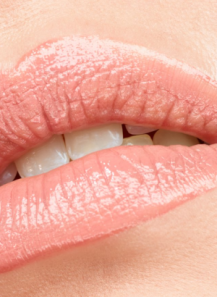
“Closest sunscreen film-former evidence: sunscreen efficacy depends strongly on forming and maintaining a UV-filter film on skin; film formers can improve adhesion, film stability, and photoprotection performance.”
70% polyphenylsilsesquioxane film-forming resin in isododecane for glossy long-wear color cosmetics, sunscreen primers, and hair-shine products. Add to the silicone or compatible oil phase and control solvent loss during processing.
Refractive Index 1.44 (glossy)
Silicone Film Shine (Polyphenylsilsesquioxane (and) Isododecane), 1.44 RI is a 70% phenyl-substituted silicone film-forming resin in isododecane, supplied as a colorless to slight yellow transparent liquid.
Refractive Index 1.44 (glossy)
After application, the volatile isododecane phase evaporates and leaves a thin polyphenylsilsesquioxane film that helps improve adhesion, color uniformity, color retention, and wear while keeping a clearer and glossier optical profile than many matte-oriented silicone film systems.
This product works best as a performance resin for formulators rather than a biological skin active. Final aesthetics depend on resin solids, pigment and wax load, volatile-to-nonvolatile balance, plasticizing emollients, and how much isododecane is lost during processing, filling, and storage.
Product Description: Suitable for glossy or satin long-wear complexion products, primers, concealers, lip products, eyeliner, mascara, sunscreen primers, and hair-shine or styling systems where a flexible reflective film is preferred over a soft-focus matte finish.
- In foundation, primer, and concealer systems, it helps improve pigment anchoring, reduce rub-off, and support more even color laydown. At moderate use levels it can improve wear and optical smoothness without making the finish as powdery as many polymethylsilsesquioxane-dominant systems.
- In lip, eyeliner, and mascara systems, it can strengthen film integrity and improve transfer resistance while maintaining more gloss than a matte film package. Balance with waxes, elastomers, and plasticizing emollients to avoid brittle dry-down or shrink feel after the carrier evaporates.
- In sunscreen primers and hybrid skincare-makeup systems, it can help improve continuity of the applied layer and support comfortable wear, but water resistance and SPF performance must always be verified on the finished formula.
- In hair serum and styling-shine products, the deposited film can improve surface smoothness and reflective shine. Keep resin solids controlled to avoid coated feel, stiffness, or excessive buildup on fine hair.
- Compared with many polymethylsilsesquioxane-based film systems, the phenyl-containing resin is typically a better starting point when the brief calls for gloss, clarity, and richer color appearance rather than a deliberately matte or blurred finish.
Usage: Film-forming additive for foundation, primer, concealer, lip products, eyeliner, mascara, sunscreen primer, hair serum, and styling-shine products.
Mixing method:
- Add into the silicone phase or compatible volatile oil phase such as isododecane-rich, isoalkane, or silicone-fluid systems. It is easiest to handle after premixing with compatible volatile carriers or light silicone/oil-phase solvents.
- Do not add directly into the water phase. For emulsions, place it in the oil or silicone phase before emulsification, or post-add during cool-down only if the finished emulsion can accept a volatile resin concentrate without instability.
- Keep processing temperature as low as practical and preferably below 45°C during late processing. Prolonged open heating, strong vacuum, or unnecessary high shear can strip isododecane, increase apparent viscosity, and shift the final solids level.
- Final pH in most finished systems is typically around pH 4-8. The main control points are phase placement, solvent compatibility, and evaporation management rather than pH adjustment of the resin itself.
Usage rate: 1-20%
Use 1-20% of this 70% resin solution, which delivers about 0.7-14% film-forming solids. Typical starting points are about 2-5% in primer, foundation, or concealer, 3-15% in lip and eye products depending on the rest of the film package, and about 0.5-5% in hair-shine serum or light styling products.
Product characteristics: Colorless to slight yellow transparent liquid; viscosity 5-50 mPa.s at 25°C; refractive index 1.435-1.445 at 25°C.
Solubility: Insoluble in water. Compatible with isododecane, many silicone fluids, and selected low-polarity oil-phase solvents. Evaluate compatibility before adding into high-water, high-polarity, or very wax-heavy systems.
Storage: Store tightly closed at room temperature and minimize prolonged open-air processing to limit volatile-carrier loss.
| Test Name | Specification |
|---|---|
| Appearance | Colorless to Slight yellow transparent liquid |
| Viscosity (mPa.s, 25C) | 5~50 |
| Refractive Index (25C) | 1.435~1.445 |
No products
70% polyphenylsilsesquioxane film-forming resin in isododecane for glossy long-wear color cosmetics, sunscreen primers, and hair-shine products. Add to the silicone or compatible oil phase and control solvent loss during processing.
Refractive Index 1.44 (glossy)
Silicone Film Shine (Polyphenylsilsesquioxane (and) Isododecane), 1.44 RI is a 70% phenyl-substituted silicone film-forming resin in isododecane, supplied as a colorless to slight yellow transparent liquid.
Refractive Index 1.44 (glossy)
After application, the volatile isododecane phase evaporates and leaves a thin polyphenylsilsesquioxane film that helps improve adhesion, color uniformity, color retention, and wear while keeping a clearer and glossier optical profile than many matte-oriented silicone film systems.
This product works best as a performance resin for formulators rather than a biological skin active. Final aesthetics depend on resin solids, pigment and wax load, volatile-to-nonvolatile balance, plasticizing emollients, and how much isododecane is lost during processing, filling, and storage.
Product Description: Suitable for glossy or satin long-wear complexion products, primers, concealers, lip products, eyeliner, mascara, sunscreen primers, and hair-shine or styling systems where a flexible reflective film is preferred over a soft-focus matte finish.
- In foundation, primer, and concealer systems, it helps improve pigment anchoring, reduce rub-off, and support more even color laydown. At moderate use levels it can improve wear and optical smoothness without making the finish as powdery as many polymethylsilsesquioxane-dominant systems.
- In lip, eyeliner, and mascara systems, it can strengthen film integrity and improve transfer resistance while maintaining more gloss than a matte film package. Balance with waxes, elastomers, and plasticizing emollients to avoid brittle dry-down or shrink feel after the carrier evaporates.
- In sunscreen primers and hybrid skincare-makeup systems, it can help improve continuity of the applied layer and support comfortable wear, but water resistance and SPF performance must always be verified on the finished formula.
- In hair serum and styling-shine products, the deposited film can improve surface smoothness and reflective shine. Keep resin solids controlled to avoid coated feel, stiffness, or excessive buildup on fine hair.
- Compared with many polymethylsilsesquioxane-based film systems, the phenyl-containing resin is typically a better starting point when the brief calls for gloss, clarity, and richer color appearance rather than a deliberately matte or blurred finish.
Usage: Film-forming additive for foundation, primer, concealer, lip products, eyeliner, mascara, sunscreen primer, hair serum, and styling-shine products.
Mixing method:
- Add into the silicone phase or compatible volatile oil phase such as isododecane-rich, isoalkane, or silicone-fluid systems. It is easiest to handle after premixing with compatible volatile carriers or light silicone/oil-phase solvents.
- Do not add directly into the water phase. For emulsions, place it in the oil or silicone phase before emulsification, or post-add during cool-down only if the finished emulsion can accept a volatile resin concentrate without instability.
- Keep processing temperature as low as practical and preferably below 45°C during late processing. Prolonged open heating, strong vacuum, or unnecessary high shear can strip isododecane, increase apparent viscosity, and shift the final solids level.
- Final pH in most finished systems is typically around pH 4-8. The main control points are phase placement, solvent compatibility, and evaporation management rather than pH adjustment of the resin itself.
Usage rate: 1-20%
Use 1-20% of this 70% resin solution, which delivers about 0.7-14% film-forming solids. Typical starting points are about 2-5% in primer, foundation, or concealer, 3-15% in lip and eye products depending on the rest of the film package, and about 0.5-5% in hair-shine serum or light styling products.
Product characteristics: Colorless to slight yellow transparent liquid; viscosity 5-50 mPa.s at 25°C; refractive index 1.435-1.445 at 25°C.
Solubility: Insoluble in water. Compatible with isododecane, many silicone fluids, and selected low-polarity oil-phase solvents. Evaluate compatibility before adding into high-water, high-polarity, or very wax-heavy systems.
Storage: Store tightly closed at room temperature and minimize prolonged open-air processing to limit volatile-carrier loss.
| Mechanism | - |
| Appearance | - |
| Longevity | - |
| Strength | - |
| Storage | - |
| Shelf Life | - |
| Allergen(s) | - |
| Dosage (Range) | - |
| Recommended Dosage | - |
| Dosage (Per Day) | - |
| Recommended Dosage (Per Day) | - |
| Mix Method | - |
| Heat Resistance | - |
| Stable in pH range | - |
| Solubility | - |
| Product Types | - |
| INCI | - |