


“Closest carrageenan-oligosaccharide evidence: κ-carrageenan tetrasaccharide protected keratinocytes from particulate-matter-induced hydration loss, lipid disruption, ROS, inflammation, and barrier damage.”
Regenerates and recharges the skin’s water reservoir: boosts HA (+124% ex vivo, 1.5%), supports barrier cohesion, improves cellular oxygenation; delivers instant hydration, plumping, smoothing.
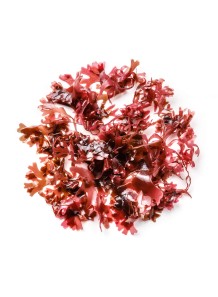
Black Sea Moss Extract (Hydrolyzed Rhodophyceae extract) helps regenerate and recharge the skin’s water reservoir by promoting hyaluronic acid (HA) synthesis, reinforcing barrier cohesion, and supporting cellular oxygenation.
Sourced from Black Baltic Moss (Rhodophyceae family) native to the cold waters of Northern Europe. Raw material is harvested traditionally in Kassari Bay, Estonia (Baltic Sea) within NATURA 2000 and the West‑Estonian archipelago biosphere reserve under quota oversight (Marine Institute; practice since 1966). Chemically rich in glycans/polysaccharides often described as a hybrid of κ‑/β‑carrageenan.
Polysaccharides are extracted by hot water then depolymerized via a proprietary HTAC step to yield a water‑soluble active fraction optimized for topical penetration and bioavailability.
Product Description: Multi‑pathway skin hydrator and barrier‑support active. In vitro it elevates mitochondrial activity (cellular oxygenation/ATP), up‑regulates regeneration and adhesion markers (e.g., EGF, ITGA2), and increases dermal HA content in skin explants. In vivo at 1% it produces immediate, visible hydration and progressive improvements in plumpness, smoothness, and softness.
Evidence (highlights): NHDF (0.1–0.5%): mitochondrial activity +48% (0.1%), +140% (0.25%), +276% (0.5%) (p<0.001). RHE (1%): EGF +21%, ITGA2 +62% (supports integrity/cohesion). Human skin explants (1.5%, 9 days): HA +124% (p<0.01). In vivo (1%): immediate hydration +69% avg (up to +119%); after 14 days: plumpness +11%*, smoothness +17%*, softness +18% (*p<0.05/0.01).
| Model/System | Key Endpoints | Implication |
|---|---|---|
| NHDF fibroblasts (0.1–0.5%) | ATP synthesis ↑: +48% / +140% / +276% | Cellular oxygenation & energy |
| Reconstructed epidermis (1%) | EGF +21%, ITGA2 +62%; adhesion/cornified proteins ↑ | Integrity & barrier cohesion |
| Human skin explants (1.5%, 9 d) | Hyaluronic acid +124% (p<0.01) | Higher water reservoir; plumping |
| In vivo (1%) | Hydration +69% avg; up to +119% (15 min) | Immediate + cumulative hydration |
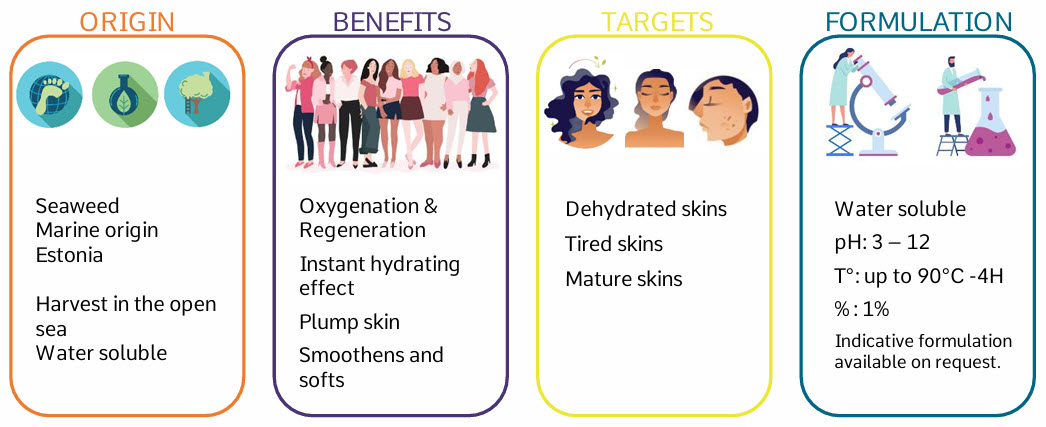
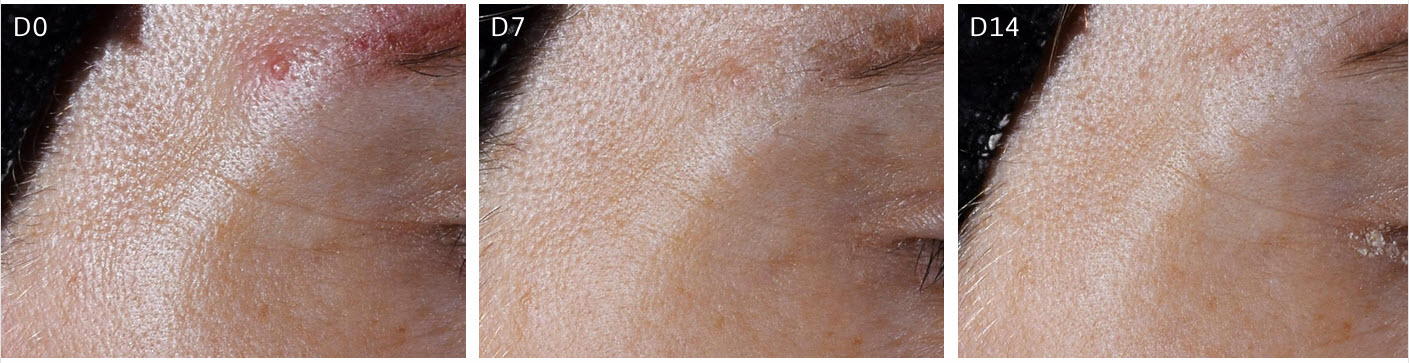
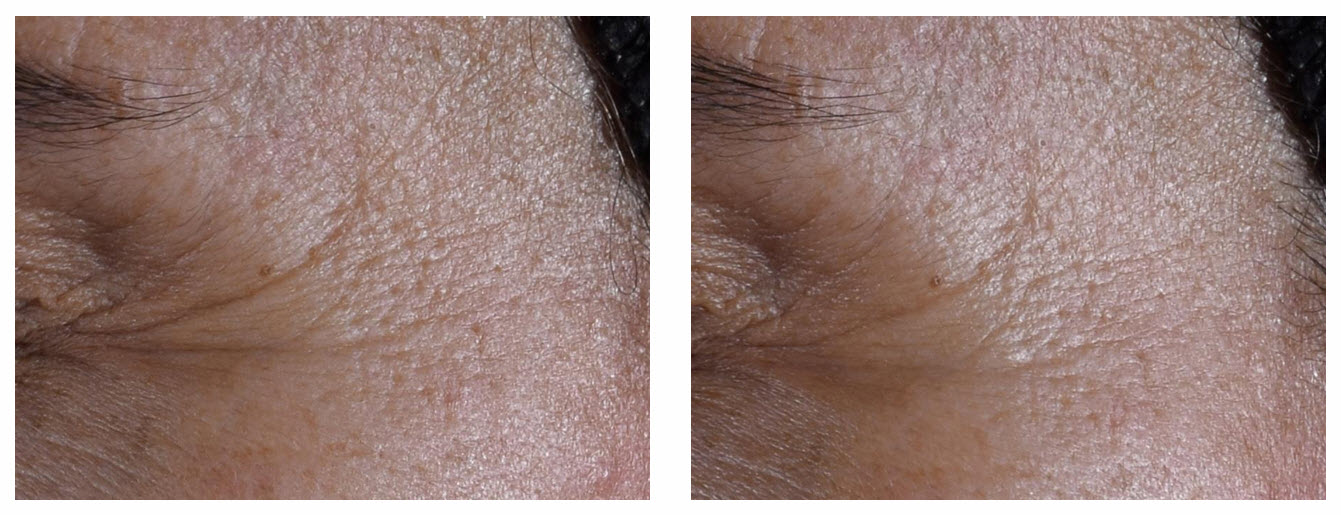
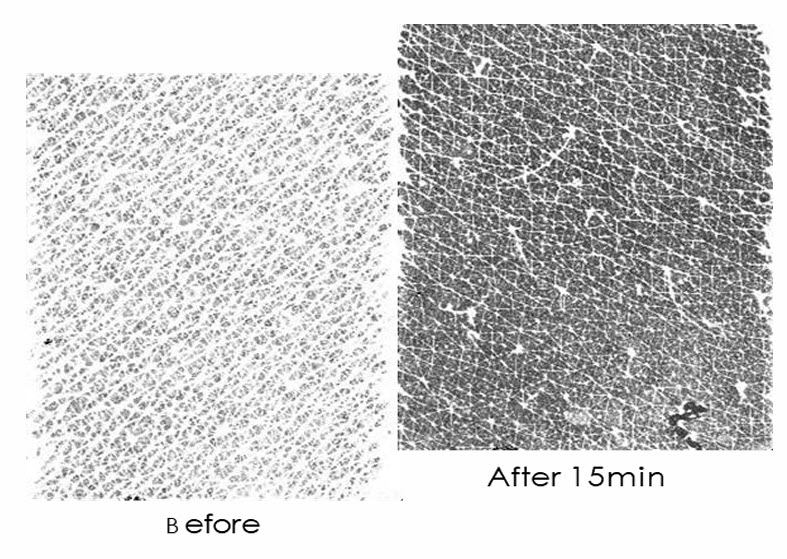
Usage: Targets dehydrated, tired, and mature skin; ideal for leave‑on systems (serums, lotions/creams, clear gels, toners, masks). Delivers instant comfort/plumping and smoother feel with regular use.
Mixing method: Water‑soluble. Add to the water phase or during cool‑down (<40°C). Compatible across pH ~3.5–7.5. Works in water‑rich formulas and hydroalcoholic systems; avoid strong oxidants/reducers. Contains phenoxyethanol as preservative.
Usage rate: 0.5–2% (1% typical). Study ranges: 0.1–0.5% in vitro (mitochondrial activity), 1% in vitro/in vivo, 1.5% ex vivo (HA +124%).
Product characteristics: Clear to pale‑amber liquid; low viscosity; faint characteristic odor.
Solubility: Water‑soluble; mixes readily with glycols.
Storage: Store cool (15–25°C), protect from heat and light. Close tightly after use.
| Test Name | Specification |
|---|---|
| Appearance | Limpid to opalescent viscous liquid; at 40°C: liquid; cooling at 20°C: gel (reversible) |
| Color | Colorless to pale yellow |
| Odor | Characteristic |
| pH | 6.0 – 8.5 |
| Relative density | 0.990 – 1.010 |
| Refractive index | 1.330 – 1.340 |
| Loss on drying | 99.10 – 99.50 % |
| Ashes | 0.05 – 0.20 % |
| Viscosity (Brookfield RV, Spindle 03, 10 rpm) | 2500 – 6000 cps |
| Phenoxyethanol | 0.85 – 1.15 % |
| Sulfates | 0.04 – 0.10 % |
| Magnesium content | 40 – 100 mg/kg |
| Galactose, total | 1.7 – 2.5 g/l |
| Total mesophilic aerobic germs | < 100 germs/g |
| Yeast and mould | < 10 germs/g |
| Pseudomonas spp. | Absence in 1 g |
| Staphylococcus aureus | Absence in 1 g |
| Candida albicans | Absence in 1 g |
| Enterobacter | Absence in 1 g |
No products
Regenerates and recharges the skin’s water reservoir: boosts HA (+124% ex vivo, 1.5%), supports barrier cohesion, improves cellular oxygenation; delivers instant hydration, plumping, smoothing.
Black Sea Moss Extract (Hydrolyzed Rhodophyceae extract) helps regenerate and recharge the skin’s water reservoir by promoting hyaluronic acid (HA) synthesis, reinforcing barrier cohesion, and supporting cellular oxygenation.
Sourced from Black Baltic Moss (Rhodophyceae family) native to the cold waters of Northern Europe. Raw material is harvested traditionally in Kassari Bay, Estonia (Baltic Sea) within NATURA 2000 and the West‑Estonian archipelago biosphere reserve under quota oversight (Marine Institute; practice since 1966). Chemically rich in glycans/polysaccharides often described as a hybrid of κ‑/β‑carrageenan.
Polysaccharides are extracted by hot water then depolymerized via a proprietary HTAC step to yield a water‑soluble active fraction optimized for topical penetration and bioavailability.
Product Description: Multi‑pathway skin hydrator and barrier‑support active. In vitro it elevates mitochondrial activity (cellular oxygenation/ATP), up‑regulates regeneration and adhesion markers (e.g., EGF, ITGA2), and increases dermal HA content in skin explants. In vivo at 1% it produces immediate, visible hydration and progressive improvements in plumpness, smoothness, and softness.
Evidence (highlights): NHDF (0.1–0.5%): mitochondrial activity +48% (0.1%), +140% (0.25%), +276% (0.5%) (p<0.001). RHE (1%): EGF +21%, ITGA2 +62% (supports integrity/cohesion). Human skin explants (1.5%, 9 days): HA +124% (p<0.01). In vivo (1%): immediate hydration +69% avg (up to +119%); after 14 days: plumpness +11%*, smoothness +17%*, softness +18% (*p<0.05/0.01).
| Model/System | Key Endpoints | Implication |
|---|---|---|
| NHDF fibroblasts (0.1–0.5%) | ATP synthesis ↑: +48% / +140% / +276% | Cellular oxygenation & energy |
| Reconstructed epidermis (1%) | EGF +21%, ITGA2 +62%; adhesion/cornified proteins ↑ | Integrity & barrier cohesion |
| Human skin explants (1.5%, 9 d) | Hyaluronic acid +124% (p<0.01) | Higher water reservoir; plumping |
| In vivo (1%) | Hydration +69% avg; up to +119% (15 min) | Immediate + cumulative hydration |
Usage: Targets dehydrated, tired, and mature skin; ideal for leave‑on systems (serums, lotions/creams, clear gels, toners, masks). Delivers instant comfort/plumping and smoother feel with regular use.
Mixing method: Water‑soluble. Add to the water phase or during cool‑down (<40°C). Compatible across pH ~3.5–7.5. Works in water‑rich formulas and hydroalcoholic systems; avoid strong oxidants/reducers. Contains phenoxyethanol as preservative.
Usage rate: 0.5–2% (1% typical). Study ranges: 0.1–0.5% in vitro (mitochondrial activity), 1% in vitro/in vivo, 1.5% ex vivo (HA +124%).
Product characteristics: Clear to pale‑amber liquid; low viscosity; faint characteristic odor.
Solubility: Water‑soluble; mixes readily with glycols.
Storage: Store cool (15–25°C), protect from heat and light. Close tightly after use.
| Mechanism | - |
| Appearance | - |
| Longevity | - |
| Strength | - |
| Long-term storage | - |
| Shelf Life | - |
| Allergen(s) | - |
| Dosage (Range) | - |
| Recommended Dosage | - |
| Dosage (Per Day) | - |
| Recommended Dosage (Per Day) | - |
| Mix Method | - |
| Heat Resistance | - |
| Stable in pH range | - |
| Solubility | - |
| Product Types | - |
| INCI | - |