


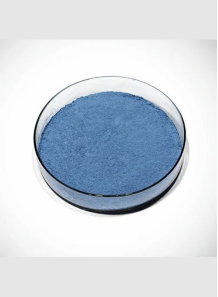
Highly bioavailable chelated copper (bisglycinate) for immune, antioxidant and connective‑tissue support.
Copper Bisglycinate chelated copper bound to two glycine molecules is a highly bioavailable form of copper designed for gentle gastrointestinal tolerance and efficient absorption.
| Benefit | Typical study dose* | Key human findings | High-quality sources |
|---|---|---|---|
| Immune function support | 1–2 mg elemental copper/day | Adequate copper status supports neutrophil/T‑cell activity; copper compounds modulate pro‑inflammatory cytokines (↓ IL‑6, ↓ TNF‑α) in immune cells. | PMC11944375; ODS |
| Antioxidant defense (SOD cofactor) | 1–2 mg/day | Copper is required for superoxide dismutase (SOD) activity; sufficient intake supports oxidative balance. | ODS |
| Collagen & connective tissue | ≈RDA to 2 mg/day | Cofactor for lysyl oxidase that cross‑links collagen and elastin; adequate copper supports tissue integrity and wound healing. | ODS |
| Energy metabolism & iron handling | 1–2 mg/day | Cofactor for cytochrome c oxidase (ATP production) and ceruloplasmin (iron mobilization); deficiency can lead to anemia‑like signs. | ODS |
*Doses refer to elemental copper from copper bisglycinate. Individual needs vary; consult a healthcare professional.
| Test Name | Specification |
|---|---|
| Appearance | Blue powder |
| Copper, ω/% | ≥27.2 |
| Loss on drying, ω/% | ≤7.0 |
| Arsenic/(mg/kg) | ≤3.0 |
| Lead/(mg/kg) | ≤4.0 |
No products
Highly bioavailable chelated copper (bisglycinate) for immune, antioxidant and connective‑tissue support.
Copper Bisglycinate chelated copper bound to two glycine molecules is a highly bioavailable form of copper designed for gentle gastrointestinal tolerance and efficient absorption.
| Benefit | Typical study dose* | Key human findings | High-quality sources |
|---|---|---|---|
| Immune function support | 1–2 mg elemental copper/day | Adequate copper status supports neutrophil/T‑cell activity; copper compounds modulate pro‑inflammatory cytokines (↓ IL‑6, ↓ TNF‑α) in immune cells. | PMC11944375; ODS |
| Antioxidant defense (SOD cofactor) | 1–2 mg/day | Copper is required for superoxide dismutase (SOD) activity; sufficient intake supports oxidative balance. | ODS |
| Collagen & connective tissue | ≈RDA to 2 mg/day | Cofactor for lysyl oxidase that cross‑links collagen and elastin; adequate copper supports tissue integrity and wound healing. | ODS |
| Energy metabolism & iron handling | 1–2 mg/day | Cofactor for cytochrome c oxidase (ATP production) and ceruloplasmin (iron mobilization); deficiency can lead to anemia‑like signs. | ODS |
*Doses refer to elemental copper from copper bisglycinate. Individual needs vary; consult a healthcare professional.
| Mechanism | - |
| Appearance | - |
| Longevity | - |
| Strength | - |
| Storage | - |
| Shelf Life | - |
| Allergen(s) | - |
| Dosage (Range) | - |
| Recommended Dosage | - |
| Dosage (Per Day) | - |
| Recommended Dosage (Per Day) | - |
| Mix Method | - |
| Heat Resistance | - |
| Stable in pH range | - |
| Solubility | - |
| Product Types | - |
| INCI | - |