


“Human split-arm atopic/dry-skin evidence: magnesium-rich Dead Sea salt bathing improved barrier function, hydration, roughness, and redness; ingredient-family evidence, not isolated MgCl2.”
Magnesium Chloride is a highly water‑soluble mineral salt (commonly supplied as magnesium chloride hexahydrate) used to formulate electrolyte brines sometimes marketed as "magnesium oil" (a salt solution, not a true oil).
In topical formulations, magnesium chloride is mainly used to build mineral‑salt brines for sprays, gels, and soak products, and to modulate sensory feel and hydration in water‑based systems. Because it is a strong electrolyte, it can also change viscosity, surfactant behavior, and emulsion stability—so it should be formulated with ionic strength in mind.
For cosmetic and body-care positioning, magnesium chloride is strongest as a local mineral-salt ingredient for brines, sprays, gels, and soaks. Research on systemic "transdermal magnesium" remains mixed: some small clinical pilots report symptom improvements in specific medical contexts, while controlled data in healthy adults show limited or no measurable change in serum/urinary magnesium. The most consistent support is for local skin effects from magnesium-rich salt bathing/soaking, including hydration, reduced roughness/redness, and improved barrier metrics.
Product Description: Magnesium chloride contributes Mg2+ and Cl− to aqueous systems and is typically used to create clear mineral brines (highly soluble in water). It is often selected when formulators want a "mineral salt" use and an electrolyte profile similar to magnesium‑rich salt solutions used in bathing/soaks.
Research-supported use context:
- Atopic/dry skin: a split‑arm human study using daily forearm soaks for 6 weeks in a 5% magnesium‑rich Dead Sea salt solution reported increased stratum corneum hydration and improved barrier readouts vs water on the contralateral arm.
- Magnesium status/cramps: a very small outpatient pilot in ileostomy patients with chronic hypomagnesemia used magnesium chloride hexahydrate spray for 6 weeks; some participants increased serum magnesium and most reported reduced muscle cramps.
- Symptom pilots without controls: open‑label studies reported improved scores in fibromyalgia (4 weeks) and reduced neuropathy symptoms in advanced CKD (12 weeks), but placebo effects cannot be excluded; serum magnesium did not significantly change in the CKD pilot.
- Recovery/soreness: a randomized double‑blind trial of a topical magnesium gel after unaccustomed exercise reported no benefit vs placebo for soreness, strength, or biomarkers.
| Human/Model | Key Findings | Formulation Implication |
|---|---|---|
| Atopic volunteers (split‑arm, 6 weeks), magnesium‑rich salt soak | ↑ hydration; ↓ roughness/redness; improved barrier readouts vs water | Supports use in rinse‑off/soak products and brine‑based body care for local skin feel |
| Open‑label topical MgCl2 pilots (ileostomy, fibromyalgia, CKD neuropathy) | Symptom score improvements reported; limited controls; mixed serum Mg changes | Best positioned for cosmetic, local-skin-feel benefits rather than broad "magnesium boosting" claims |
| Exercise recovery (randomized, placebo‑controlled) | No benefit for soreness/strength/biomarkers vs placebo | Use as a mineral-salt skin/soak ingredient rather than a sports-recovery performance active |
Usage: Mineral brines and sprays ("magnesium oil" style), electrolyte gels, body lotions/creams (low–moderate salt), rinse‑off and soak products (bath/foot soaks), and formulations where a magnesium‑salt use is desired.
Mixing method:
- Dissolve in deionized water first to form a clear brine, then add the brine into the batch. Magnesium chloride is not oil‑soluble.
- Ionic strength control: high salt can thin or collapse some polymer gels (especially certain anionic systems) and can change surfactant performance. Screen viscosity/stability early and consider salt‑tolerant rheology modifiers if needed.
- pH/precipitation: keep the finished system in a mildly acidic to neutral window where magnesium remains soluble; at higher pH, magnesium hydroxide precipitation/haze can occur.
- Sensory/safety: concentrated brines can sting on compromised skin. Use appropriate dosing, avoid eye area, and recommend patch testing for leave‑on products.
Usage rate: 1–30%
Typical guidance: ~1–5% for leave‑on emulsions/serums (electrolyte support without excessive ionic stress), ~5–15% for rinse‑off gels or brine‑gels, and up to ~20–30% for brine sprays where the formula is intentionally a magnesium‑salt solution. Optimize for skin feel and irritation risk.
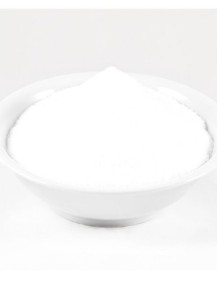
Product characteristics: White crystalline powder
Solubility: Soluble in water (forms clear brine); insoluble in oils
| Test Name | Specification |
|---|---|
| Color | White |
| Appearance | Granular crystals |
| Magnesium Chloride Content | 99% Min |
| Calcium Content | 0.1% Max |
| Sulfate (SO4) | 0.4% Max |
| Water insoluble matter | 0.1% Max |
| Chroma | 30% Max |
| Arsenic | 0.5ppm Max |
| Ammonium (NH4) | 50ppm Max |
| Lead | 1ppm Max |
No products
Magnesium Chloride is a highly water‑soluble mineral salt (commonly supplied as magnesium chloride hexahydrate) used to formulate electrolyte brines sometimes marketed as "magnesium oil" (a salt solution, not a true oil).
In topical formulations, magnesium chloride is mainly used to build mineral‑salt brines for sprays, gels, and soak products, and to modulate sensory feel and hydration in water‑based systems. Because it is a strong electrolyte, it can also change viscosity, surfactant behavior, and emulsion stability—so it should be formulated with ionic strength in mind.
For cosmetic and body-care positioning, magnesium chloride is strongest as a local mineral-salt ingredient for brines, sprays, gels, and soaks. Research on systemic "transdermal magnesium" remains mixed: some small clinical pilots report symptom improvements in specific medical contexts, while controlled data in healthy adults show limited or no measurable change in serum/urinary magnesium. The most consistent support is for local skin effects from magnesium-rich salt bathing/soaking, including hydration, reduced roughness/redness, and improved barrier metrics.
Product Description: Magnesium chloride contributes Mg2+ and Cl− to aqueous systems and is typically used to create clear mineral brines (highly soluble in water). It is often selected when formulators want a "mineral salt" use and an electrolyte profile similar to magnesium‑rich salt solutions used in bathing/soaks.
Research-supported use context:
- Atopic/dry skin: a split‑arm human study using daily forearm soaks for 6 weeks in a 5% magnesium‑rich Dead Sea salt solution reported increased stratum corneum hydration and improved barrier readouts vs water on the contralateral arm.
- Magnesium status/cramps: a very small outpatient pilot in ileostomy patients with chronic hypomagnesemia used magnesium chloride hexahydrate spray for 6 weeks; some participants increased serum magnesium and most reported reduced muscle cramps.
- Symptom pilots without controls: open‑label studies reported improved scores in fibromyalgia (4 weeks) and reduced neuropathy symptoms in advanced CKD (12 weeks), but placebo effects cannot be excluded; serum magnesium did not significantly change in the CKD pilot.
- Recovery/soreness: a randomized double‑blind trial of a topical magnesium gel after unaccustomed exercise reported no benefit vs placebo for soreness, strength, or biomarkers.
| Human/Model | Key Findings | Formulation Implication |
|---|---|---|
| Atopic volunteers (split‑arm, 6 weeks), magnesium‑rich salt soak | ↑ hydration; ↓ roughness/redness; improved barrier readouts vs water | Supports use in rinse‑off/soak products and brine‑based body care for local skin feel |
| Open‑label topical MgCl2 pilots (ileostomy, fibromyalgia, CKD neuropathy) | Symptom score improvements reported; limited controls; mixed serum Mg changes | Best positioned for cosmetic, local-skin-feel benefits rather than broad "magnesium boosting" claims |
| Exercise recovery (randomized, placebo‑controlled) | No benefit for soreness/strength/biomarkers vs placebo | Use as a mineral-salt skin/soak ingredient rather than a sports-recovery performance active |
Usage: Mineral brines and sprays ("magnesium oil" style), electrolyte gels, body lotions/creams (low–moderate salt), rinse‑off and soak products (bath/foot soaks), and formulations where a magnesium‑salt use is desired.
Mixing method:
- Dissolve in deionized water first to form a clear brine, then add the brine into the batch. Magnesium chloride is not oil‑soluble.
- Ionic strength control: high salt can thin or collapse some polymer gels (especially certain anionic systems) and can change surfactant performance. Screen viscosity/stability early and consider salt‑tolerant rheology modifiers if needed.
- pH/precipitation: keep the finished system in a mildly acidic to neutral window where magnesium remains soluble; at higher pH, magnesium hydroxide precipitation/haze can occur.
- Sensory/safety: concentrated brines can sting on compromised skin. Use appropriate dosing, avoid eye area, and recommend patch testing for leave‑on products.
Usage rate: 1–30%
Typical guidance: ~1–5% for leave‑on emulsions/serums (electrolyte support without excessive ionic stress), ~5–15% for rinse‑off gels or brine‑gels, and up to ~20–30% for brine sprays where the formula is intentionally a magnesium‑salt solution. Optimize for skin feel and irritation risk.
Product characteristics: White crystalline powder
Solubility: Soluble in water (forms clear brine); insoluble in oils
| Mechanism | - |
| Appearance | - |
| Longevity | - |
| Strength | - |
| Storage | - |
| Shelf Life | - |
| Allergen(s) | - |
| Dosage (Range) | - |
| Recommended Dosage | - |
| Dosage (Per Day) | - |
| Recommended Dosage (Per Day) | - |
| Mix Method | - |
| Heat Resistance | - |
| Stable in pH range | - |
| Solubility | - |
| Product Types | - |
| INCI | - |