


“Rice-bran phytosterol ester scope: topical/fibroblast data supported HA, type III collagen, TEWL, redness and wrinkle endpoints.”
Oil-soluble 55% rice-lipid active fraction for antioxidant, barrier-comfort, radiance, elasticity and photoaging-support concepts in emulsions, balms, facial oils and oil serums.
Rice Lipids is an oil-soluble rice-lipid concentrate built around a 55% rice-lipid active fraction for topical cosmetic formulas that need antioxidant support, barrier comfort, skin-conditioning lipids and a more cushiony oil-phase skin feel.
Rice-bran lipids are valued in skincare because they combine fatty-acid emolliency with an unsaponifiable active fraction that naturally includes sterol ferulates such as gamma-oryzanol, phytosterols, ferulic-acid derivatives, tocopherol/tocotrienol family antioxidants and other rice-bran lipid components. For formulators, this gives one material that can support oxidative-stress protection, smoother barrier feel, radiance and topical anti-aging concepts while remaining compatible with oil-phase systems.
This product is designed for leave-on emulsions, facial oils, oil serums, balms, lip care, after-sun products and barrier-support formulas. It is not a UV filter and should not be used as a substitute for approved sunscreen actives; use it as an antioxidant and lipid-support active, then verify finished-product claims with the appropriate stability, sensory and performance tests.
Product Description: The skincare value of Oryza sativa lipids comes from two complementary effects. First, the lipid portion improves glide, emolliency and skin feel in oil-rich systems. Second, the rice-bran unsaponifiable fraction provides antioxidant and skin-support chemistry associated with gamma-oryzanol, phytosterols and ferulic-acid derivatives.
| Evidence area | Skin-relevant endpoints | Formulation implication |
|---|---|---|
| Rice-bran phytosterol ester / lipid fraction | Human-fibroblast work reported increased hyaluronic acid and type III collagen; topical volunteer testing reported lower TEWL plus improvements in redness, pore appearance and wrinkle perception. | Supports barrier-comfort, hydrated appearance, dermal-support and mature-skin concepts. |
| Rice bran / rice husk cosmetic extracts | Antioxidant activity, tyrosinase and melanogenesis modulation, and collagen-biosynthesis support in cosmetic screening models. | Useful for radiance, anti-dullness, tone-evenness and oxidative-stress support positioning. |
| Fermented rice-bran extract models | In vitro and in vivo skin models showed collagen and elastin support, reduced TEWL, and improved moisture and elastic-coefficient readouts. | Supports elasticity, barrier and anti-aging storylines for leave-on skincare. |
| Gamma-oryzanol and ferulic-acid marker chemistry | Antioxidant activity, lipid-phase oxidative-stress support, tyrosinase-pathway support and topical photodamage-marker support when used in antioxidant systems. | Best positioned as antioxidant and photoaging-support chemistry, not as SPF or sunscreen replacement. |
The carrier system helps spread the rice-lipid active fraction into anhydrous systems and the oil phase of emulsions without making the material feel like a heavy carrier oil. This is useful in modern low-grease facial oils, microemulsion-style serums, lightweight balms, lip products and oil-gel textures where the formulator wants a high active lipid story with a controlled sensory profile.
Finished-product market context: The Ordinary Rice Lipids + Ectoin Microemulsion is one example of a finished cosmetic product category where rice lipids are highlighted for barrier-comfort and microemulsion texture positioning. This example is provided only to show market use of rice-lipid language; it is not a statement that this raw material is supplied to, used by, or equivalent to that brand product.
For claim development, Rice Lipids should be tested in the final formula for antioxidant performance, color stability, TEWL, hydration, redness appearance, tone-evenness, elasticity, consumer comfort and long-term package compatibility. Claims should be framed as cosmetic support for healthier-looking, better-conditioned skin unless the finished product has its own claim substantiation.
Usage: Suitable for creams, lotions, facial oils, oil serums, balms, lip balm, oil gels, cleansing balms, after-sun products, day-care antioxidant formulas, mature-skin care, radiance formulas, and dry or stressed-skin formulas.
Mixing method:
- Add to the oil phase or post-emulsification oil-compatible phase. Pre-disperse into a compatible plant oil, ester, triglyceride, balm base or oleogel before adding to the main batch.
- Avoid prolonged heat, strong light and unnecessary air exposure. For best color and antioxidant stability, add during cool-down where possible and keep processing below 40°C.
- In emulsions, confirm dispersion, final viscosity, color stability and odor stability. In anhydrous systems, check low-temperature clarity/crystallization and packaging compatibility.
Usage rate: 0.5-5%
Typical use is 2%. At 0.5-5% Rice Lipids delivers about 0.275-2.75% rice-lipid active fraction to the finished formula. At 2% use, it delivers about 1.1% rice-lipid active fraction. Use the lower end for light emulsions and daily serums; use the higher end for facial oils, balms, lip care, oil gels and intensive barrier-support concepts.
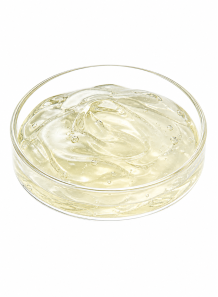
Product characteristics: Viscous gel-like oil; colorless to very pale yellow; mild characteristic oil odor.
Solubility: Oil-soluble. Not water-soluble. Suitable for oils, esters, anhydrous balms, oleogels and the oil phase of emulsions.
Storage: Store cool at 15-25°C, tightly closed, away from heat, light and air. Warm gently only if needed for handling viscosity, then mix uniformly before use.
| Test Name | Specification |
|---|---|
| Appearance | Colorless to light yellow viscous gel |
| Ferulic acid | 1.8% Min |
| Gamma-oryzanol | 7.5-8.0% |
| Total Phytosterols | 5% Min |
No products
Oil-soluble 55% rice-lipid active fraction for antioxidant, barrier-comfort, radiance, elasticity and photoaging-support concepts in emulsions, balms, facial oils and oil serums.
Rice Lipids is an oil-soluble rice-lipid concentrate built around a 55% rice-lipid active fraction for topical cosmetic formulas that need antioxidant support, barrier comfort, skin-conditioning lipids and a more cushiony oil-phase skin feel.
Rice-bran lipids are valued in skincare because they combine fatty-acid emolliency with an unsaponifiable active fraction that naturally includes sterol ferulates such as gamma-oryzanol, phytosterols, ferulic-acid derivatives, tocopherol/tocotrienol family antioxidants and other rice-bran lipid components. For formulators, this gives one material that can support oxidative-stress protection, smoother barrier feel, radiance and topical anti-aging concepts while remaining compatible with oil-phase systems.
This product is designed for leave-on emulsions, facial oils, oil serums, balms, lip care, after-sun products and barrier-support formulas. It is not a UV filter and should not be used as a substitute for approved sunscreen actives; use it as an antioxidant and lipid-support active, then verify finished-product claims with the appropriate stability, sensory and performance tests.
Product Description: The skincare value of Oryza sativa lipids comes from two complementary effects. First, the lipid portion improves glide, emolliency and skin feel in oil-rich systems. Second, the rice-bran unsaponifiable fraction provides antioxidant and skin-support chemistry associated with gamma-oryzanol, phytosterols and ferulic-acid derivatives.
| Evidence area | Skin-relevant endpoints | Formulation implication |
|---|---|---|
| Rice-bran phytosterol ester / lipid fraction | Human-fibroblast work reported increased hyaluronic acid and type III collagen; topical volunteer testing reported lower TEWL plus improvements in redness, pore appearance and wrinkle perception. | Supports barrier-comfort, hydrated appearance, dermal-support and mature-skin concepts. |
| Rice bran / rice husk cosmetic extracts | Antioxidant activity, tyrosinase and melanogenesis modulation, and collagen-biosynthesis support in cosmetic screening models. | Useful for radiance, anti-dullness, tone-evenness and oxidative-stress support positioning. |
| Fermented rice-bran extract models | In vitro and in vivo skin models showed collagen and elastin support, reduced TEWL, and improved moisture and elastic-coefficient readouts. | Supports elasticity, barrier and anti-aging storylines for leave-on skincare. |
| Gamma-oryzanol and ferulic-acid marker chemistry | Antioxidant activity, lipid-phase oxidative-stress support, tyrosinase-pathway support and topical photodamage-marker support when used in antioxidant systems. | Best positioned as antioxidant and photoaging-support chemistry, not as SPF or sunscreen replacement. |
The carrier system helps spread the rice-lipid active fraction into anhydrous systems and the oil phase of emulsions without making the material feel like a heavy carrier oil. This is useful in modern low-grease facial oils, microemulsion-style serums, lightweight balms, lip products and oil-gel textures where the formulator wants a high active lipid story with a controlled sensory profile.
Finished-product market context: The Ordinary Rice Lipids + Ectoin Microemulsion is one example of a finished cosmetic product category where rice lipids are highlighted for barrier-comfort and microemulsion texture positioning. This example is provided only to show market use of rice-lipid language; it is not a statement that this raw material is supplied to, used by, or equivalent to that brand product.
For claim development, Rice Lipids should be tested in the final formula for antioxidant performance, color stability, TEWL, hydration, redness appearance, tone-evenness, elasticity, consumer comfort and long-term package compatibility. Claims should be framed as cosmetic support for healthier-looking, better-conditioned skin unless the finished product has its own claim substantiation.
Usage: Suitable for creams, lotions, facial oils, oil serums, balms, lip balm, oil gels, cleansing balms, after-sun products, day-care antioxidant formulas, mature-skin care, radiance formulas, and dry or stressed-skin formulas.
Mixing method:
- Add to the oil phase or post-emulsification oil-compatible phase. Pre-disperse into a compatible plant oil, ester, triglyceride, balm base or oleogel before adding to the main batch.
- Avoid prolonged heat, strong light and unnecessary air exposure. For best color and antioxidant stability, add during cool-down where possible and keep processing below 40°C.
- In emulsions, confirm dispersion, final viscosity, color stability and odor stability. In anhydrous systems, check low-temperature clarity/crystallization and packaging compatibility.
Usage rate: 0.5-5%
Typical use is 2%. At 0.5-5% Rice Lipids delivers about 0.275-2.75% rice-lipid active fraction to the finished formula. At 2% use, it delivers about 1.1% rice-lipid active fraction. Use the lower end for light emulsions and daily serums; use the higher end for facial oils, balms, lip care, oil gels and intensive barrier-support concepts.
Product characteristics: Viscous gel-like oil; colorless to very pale yellow; mild characteristic oil odor.
Solubility: Oil-soluble. Not water-soluble. Suitable for oils, esters, anhydrous balms, oleogels and the oil phase of emulsions.
Storage: Store cool at 15-25°C, tightly closed, away from heat, light and air. Warm gently only if needed for handling viscosity, then mix uniformly before use.
| Mechanism | - |
| Appearance | - |
| Longevity | - |
| Strength | - |
| Long-term storage | - |
| Shelf Life | - |
| Allergen(s) | - |
| Dosage (Range) | - |
| Recommended Dosage | - |
| Dosage (Per Day) | - |
| Recommended Dosage (Per Day) | - |
| Mix Method | - |
| Heat Resistance | - |
| Stable in pH range | - |
| Solubility | - |
| Product Types | - |
| INCI | - |