


“Closest color-cosmetic skin evidence: cosmetic camouflage improved quality-of-life outcomes in people with skin disfigurement; not specific to Acid Red 1.”
Water-soluble red direct dye (CI 18050) for hair color-depositing systems; dissolve in the water phase and verify compatibility with cationic conditioners.
Acid Red 1 (C.I. 18050) (Direct Dyes) is a water-soluble, anionic "acid dye" (commonly supplied as the disodium salt) used as a pre-formed direct colorant in hair-color depositing systems.
In cosmetics it is identified as CI 18050 and is typically used to build or adjust red/pink/crimson tonal directions in temporary and semi-permanent hair products such as tinted shampoos, conditioners, gels, and toners.
Key QA/QC identifiers include CAS 3734-67-6, empirical formula C18H13N3Na2O8S2 (MW ~509.4 g/mol), and characteristic UV–Vis absorption bands in water around ~503–507 nm and ~530–534 nm (often reported ~532 nm), which are widely used for incoming ID and strength checks.
Product Description: Acid Red 1 is a pre-formed (non-oxidative) direct dye—it is already colored in the product and does not rely on peroxide-driven oxidative dye formation. In hair applications, fixation of anionic acid dyes is dominated by ionic interactions between anionic groups on the dye and cationic sites on the keratin fiber (mainly at/near the cuticle), so performance depends on hair condition, porosity, and wash environment.
| Item | Value |
|---|---|
| Cosmetic identifier | CI 18050 |
| CAS | 3734-67-6 |
| Typical form | Water-soluble anionic dye (often disodium salt) |
| UV–Vis (water) | ~503–507 nm and ~530–534 nm (often ~532 nm) |
| QC use | Incoming ID / strength (UV–Vis assay) |
Formulation behavior to consider: (1) pH and ionic strength can shift deposition and shade on hair; (2) damaged/bleached hair often shows higher uptake and can also show faster fade/bleed; (3) cationic conditioning polymers and quats can complex with anionic dyes—this may help deposition or may cause haze/precipitation or shade shift if not controlled, so compatibility testing is recommended.
Regulatory use context: CI 18050 is listed as an allowed cosmetic colorant in several jurisdictions but is commonly restricted to products not intended for contact with mucous membranes. Always confirm the applicable colorant list and product-type restrictions for the market of sale.
Usage: Direct hair color / toning and color-depositing rinse-off haircare (e.g., tinted shampoo/conditioner, lotions, gels). Commonly used in blends to tune hue (warmth/berry-red/violet-red directions).
Mixing method:
- Pre-dissolve in deionized water (or water–glycol) to a uniform solution before adding to the main aqueous phase.
- For conditioner systems containing cationic polymers/quats: add gradually and monitor clarity and shade; consider separating additions (dye solution first, then cationics) and run a quick compatibility jar test.
- Add in cool-down when possible (<40°C) and protect from strong light; adjust final pH within your system’s target window.
Usage rate: 0.1–1.0% (typical starting range in hair systems; lower levels can be used for tone adjustment depending on shade strength and blend).
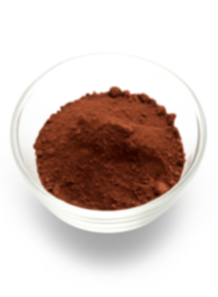
Product characteristics: Red to crimson powder; water-soluble dye; characteristic odor.
Solubility: Soluble in water; typically used by dissolving into the aqueous phase (or a water–glycol pre-solution) for clear or gelled systems.
Storage: Store cool, dry, and protected from light in a tightly closed container.
| Test Name | Specification |
|---|---|
| Appearance/Characteristic | Red powder |
| Volatile matter (135°C) | ≤ 2.00 |
| Conductivity | - |
| Absorbance | 0.490–0.580 |
| pH value | 4.00–9.00 |
| Water insoluble | ≤ 2.00 |
| Strength | ≥ 95.0 |
No products
Water-soluble red direct dye (CI 18050) for hair color-depositing systems; dissolve in the water phase and verify compatibility with cationic conditioners.
Acid Red 1 (C.I. 18050) (Direct Dyes) is a water-soluble, anionic "acid dye" (commonly supplied as the disodium salt) used as a pre-formed direct colorant in hair-color depositing systems.
In cosmetics it is identified as CI 18050 and is typically used to build or adjust red/pink/crimson tonal directions in temporary and semi-permanent hair products such as tinted shampoos, conditioners, gels, and toners.
Key QA/QC identifiers include CAS 3734-67-6, empirical formula C18H13N3Na2O8S2 (MW ~509.4 g/mol), and characteristic UV–Vis absorption bands in water around ~503–507 nm and ~530–534 nm (often reported ~532 nm), which are widely used for incoming ID and strength checks.
Product Description: Acid Red 1 is a pre-formed (non-oxidative) direct dye—it is already colored in the product and does not rely on peroxide-driven oxidative dye formation. In hair applications, fixation of anionic acid dyes is dominated by ionic interactions between anionic groups on the dye and cationic sites on the keratin fiber (mainly at/near the cuticle), so performance depends on hair condition, porosity, and wash environment.
| Item | Value |
|---|---|
| Cosmetic identifier | CI 18050 |
| CAS | 3734-67-6 |
| Typical form | Water-soluble anionic dye (often disodium salt) |
| UV–Vis (water) | ~503–507 nm and ~530–534 nm (often ~532 nm) |
| QC use | Incoming ID / strength (UV–Vis assay) |
Formulation behavior to consider: (1) pH and ionic strength can shift deposition and shade on hair; (2) damaged/bleached hair often shows higher uptake and can also show faster fade/bleed; (3) cationic conditioning polymers and quats can complex with anionic dyes—this may help deposition or may cause haze/precipitation or shade shift if not controlled, so compatibility testing is recommended.
Regulatory use context: CI 18050 is listed as an allowed cosmetic colorant in several jurisdictions but is commonly restricted to products not intended for contact with mucous membranes. Always confirm the applicable colorant list and product-type restrictions for the market of sale.
Usage: Direct hair color / toning and color-depositing rinse-off haircare (e.g., tinted shampoo/conditioner, lotions, gels). Commonly used in blends to tune hue (warmth/berry-red/violet-red directions).
Mixing method:
- Pre-dissolve in deionized water (or water–glycol) to a uniform solution before adding to the main aqueous phase.
- For conditioner systems containing cationic polymers/quats: add gradually and monitor clarity and shade; consider separating additions (dye solution first, then cationics) and run a quick compatibility jar test.
- Add in cool-down when possible (<40°C) and protect from strong light; adjust final pH within your system’s target window.
Usage rate: 0.1–1.0% (typical starting range in hair systems; lower levels can be used for tone adjustment depending on shade strength and blend).
Product characteristics: Red to crimson powder; water-soluble dye; characteristic odor.
Solubility: Soluble in water; typically used by dissolving into the aqueous phase (or a water–glycol pre-solution) for clear or gelled systems.
Storage: Store cool, dry, and protected from light in a tightly closed container.
| Mechanism | - |
| Appearance | - |
| Longevity | - |
| Strength | - |
| Long-term storage | - |
| Shelf Life | - |
| Allergen(s) | - |
| Dosage (Range) | - |
| Recommended Dosage | - |
| Dosage (Per Day) | - |
| Recommended Dosage (Per Day) | - |
| Mix Method | - |
| Heat Resistance | - |
| Stable in pH range | - |
| Solubility | - |
| Product Types | - |
| INCI | - |