


Piperonyl Butoxide (PBO), CAS 51-03-6, is a lipophilic pesticide synergist used with pyrethrins and pyrethroids in registered flea and tick products such as pet shampoos, sprays, collars, and impregnated formats.
Piperonyl Butoxide (PBO) is a technical pesticide synergist used to improve the performance of pyrethrins and pyrethroids in registered ectoparasite-control products. It is commonly used in pet-product development for flea and tick shampoos, sprays, collars, spot-on/pour-on systems, wipes, dusts, and impregnated materials where the finished product is regulated as a pesticide or veterinary ectoparasiticide.
PBO is not normally used as a stand-alone insecticide. Its main technical role is to inhibit insect mixed-function oxidase detoxification systems, reducing metabolic breakdown of co-applied pyrethrins or pyrethroids and improving knockdown or residual activity against target pests. Final efficacy still depends on the co-active, pest species, application format, contact time, coat coverage, dilution, rinse-off behavior, and resistance mechanism.
For pet formulations, PBO works best as a lipophilic oil-phase raw material. Water-based shampoos and sprays require a suitable emulsifier, solubilizer, solvent, or dispersion system; direct addition into water is not expected to form a clear solution. Species-specific safety, label compliance, and local pesticide registration must be established for the finished formula before sale or use.
Chemical Information:
Chemical Name: 5-{[2-(2-butoxyethoxy)ethoxy]methyl}-6-propyl-1,3-benzodioxole
CAS Number: 51-03-6
EC Number: 200-076-7
Molecular Formula: C19H30O5
Molecular Weight: 338.44 g/mol
Physical Properties:
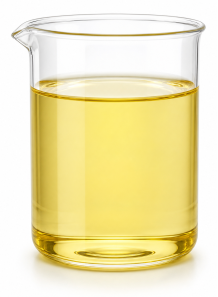
Appearance: Pale yellow to light brown oily liquid
Odor: Mild characteristic odor
Specific Gravity: approximately 1.04-1.07
Flash Point: approximately 170°C / 340°F
Solubility in Water: very low; requires emulsification or solubilization for water-based systems
Solubility: compatible with many oil-phase and organic-solvent systems
Applications:
- Synergist for pyrethrin and pyrethroid flea/tick products
- Pet shampoo systems where the active phase must remain well dispersed during contact time and rinse-off
- Ready-to-use sprays and aerosols where emulsion stability, droplet control, and inhalation exposure must be evaluated
- Collars and impregnated materials where matrix compatibility, migration, and release rate must be validated
- Wipes, dusts, and other regulated ectoparasite-control formats where uniform loading and residue transfer are critical
Formulation Guidance:
Pre-blend PBO with the oil-soluble insecticide phase, solvent/carrier, or nonionic emulsifier package before adding to aqueous shampoo or spray bases. Confirm no oil separation, creaming, co-active crystallization, viscosity drift, preservative incompatibility, or active loss during accelerated storage.
For shampoos, verify foam quality, viscosity, wet comb-through, coat distribution, contact time, rinse behavior, and residue after dilution. For sprays, validate droplet size, package compatibility, film uniformity, odor, dry-down, and spray inhalation risk. For collars and impregnated materials, validate polymer or carrier compatibility, release rate, migration, photostability, and contact-transfer level.
Final use level must follow the approved registration and label for the target market. Do not copy use levels from other products without confirming species, body-weight range, product format, co-active level, and local regulatory limits.
Pet Safety Notes:
PBO-containing pet products must be designed around species, age, body weight, skin condition, grooming behavior, and route of exposure. Do not assume a dog product is suitable for cats. Several pyrethroids, especially permethrin, can be dangerous to cats, and cross-exposure through grooming, bedding, or recently treated animals must be considered.
Finished-product development should include target-animal tolerance, dermal and ocular irritation, sensitization review, oral grooming exposure, residue-transfer assessment, and inhalation assessment for sprays or aerosols. Label directions must define permitted species, minimum age/weight, dose, application frequency, and contraindications.
Safety Information (GHS):
Classification: Aquatic Chronic 1 / Aquatic Acute 1 is commonly used for technical PBO; final classification depends on concentration and full formula
Signal Word: Warning
Hazard Statements: H410 - Very toxic to aquatic life with long lasting effects
Precautionary Statements: Avoid release to the environment; collect spillage; dispose of contents and container according to local regulations
Incompatibilities:
Strong oxidizing agents. Avoid uncontrolled exposure to high heat, direct sunlight, and incompatible packaging materials.
Storage:
Store tightly closed in a cool, dry, well-ventilated area.
Protect from direct sunlight and excessive heat.
Keep away from oxidizing agents and food/feed materials.
Use compatible containers such as HDPE, lined metal, aluminum, or glass; avoid unlined steel for technical material.
Temperature: room temperature storage, typically 15-30°C.
Handling Precautions:
Use appropriate chemical-resistant gloves, eye protection, and protective clothing.
Use local exhaust ventilation when handling bulk material, heated material, mists, aerosols, or dusted/impregnated carriers.
Avoid skin and eye contact.
Prevent release to drains, wastewater, ponds, aquaculture, rivers, or surface water.
Shelf Life: 12-24 months when stored in the original tightly closed container under recommended conditions.
Environmental Information:
PBO is a high-priority aquatic-risk material in formulation and handling. Prevent wash water, spray residues, spills, and contaminated packaging from entering waterways. Treat residues and contaminated absorbents as pesticide/chemical waste according to local regulations.
No products
Piperonyl Butoxide (PBO), CAS 51-03-6, is a lipophilic pesticide synergist used with pyrethrins and pyrethroids in registered flea and tick products such as pet shampoos, sprays, collars, and impregnated formats.
Piperonyl Butoxide (PBO) is a technical pesticide synergist used to improve the performance of pyrethrins and pyrethroids in registered ectoparasite-control products. It is commonly used in pet-product development for flea and tick shampoos, sprays, collars, spot-on/pour-on systems, wipes, dusts, and impregnated materials where the finished product is regulated as a pesticide or veterinary ectoparasiticide.
PBO is not normally used as a stand-alone insecticide. Its main technical role is to inhibit insect mixed-function oxidase detoxification systems, reducing metabolic breakdown of co-applied pyrethrins or pyrethroids and improving knockdown or residual activity against target pests. Final efficacy still depends on the co-active, pest species, application format, contact time, coat coverage, dilution, rinse-off behavior, and resistance mechanism.
For pet formulations, PBO works best as a lipophilic oil-phase raw material. Water-based shampoos and sprays require a suitable emulsifier, solubilizer, solvent, or dispersion system; direct addition into water is not expected to form a clear solution. Species-specific safety, label compliance, and local pesticide registration must be established for the finished formula before sale or use.
Chemical Information:
Chemical Name: 5-{[2-(2-butoxyethoxy)ethoxy]methyl}-6-propyl-1,3-benzodioxole
CAS Number: 51-03-6
EC Number: 200-076-7
Molecular Formula: C19H30O5
Molecular Weight: 338.44 g/mol
Physical Properties:
Appearance: Pale yellow to light brown oily liquid
Odor: Mild characteristic odor
Specific Gravity: approximately 1.04-1.07
Flash Point: approximately 170°C / 340°F
Solubility in Water: very low; requires emulsification or solubilization for water-based systems
Solubility: compatible with many oil-phase and organic-solvent systems
Applications:
- Synergist for pyrethrin and pyrethroid flea/tick products
- Pet shampoo systems where the active phase must remain well dispersed during contact time and rinse-off
- Ready-to-use sprays and aerosols where emulsion stability, droplet control, and inhalation exposure must be evaluated
- Collars and impregnated materials where matrix compatibility, migration, and release rate must be validated
- Wipes, dusts, and other regulated ectoparasite-control formats where uniform loading and residue transfer are critical
Formulation Guidance:
Pre-blend PBO with the oil-soluble insecticide phase, solvent/carrier, or nonionic emulsifier package before adding to aqueous shampoo or spray bases. Confirm no oil separation, creaming, co-active crystallization, viscosity drift, preservative incompatibility, or active loss during accelerated storage.
For shampoos, verify foam quality, viscosity, wet comb-through, coat distribution, contact time, rinse behavior, and residue after dilution. For sprays, validate droplet size, package compatibility, film uniformity, odor, dry-down, and spray inhalation risk. For collars and impregnated materials, validate polymer or carrier compatibility, release rate, migration, photostability, and contact-transfer level.
Final use level must follow the approved registration and label for the target market. Do not copy use levels from other products without confirming species, body-weight range, product format, co-active level, and local regulatory limits.
Pet Safety Notes:
PBO-containing pet products must be designed around species, age, body weight, skin condition, grooming behavior, and route of exposure. Do not assume a dog product is suitable for cats. Several pyrethroids, especially permethrin, can be dangerous to cats, and cross-exposure through grooming, bedding, or recently treated animals must be considered.
Finished-product development should include target-animal tolerance, dermal and ocular irritation, sensitization review, oral grooming exposure, residue-transfer assessment, and inhalation assessment for sprays or aerosols. Label directions must define permitted species, minimum age/weight, dose, application frequency, and contraindications.
Safety Information (GHS):
Classification: Aquatic Chronic 1 / Aquatic Acute 1 is commonly used for technical PBO; final classification depends on concentration and full formula
Signal Word: Warning
Hazard Statements: H410 - Very toxic to aquatic life with long lasting effects
Precautionary Statements: Avoid release to the environment; collect spillage; dispose of contents and container according to local regulations
Incompatibilities:
Strong oxidizing agents. Avoid uncontrolled exposure to high heat, direct sunlight, and incompatible packaging materials.
Storage:
Store tightly closed in a cool, dry, well-ventilated area.
Protect from direct sunlight and excessive heat.
Keep away from oxidizing agents and food/feed materials.
Use compatible containers such as HDPE, lined metal, aluminum, or glass; avoid unlined steel for technical material.
Temperature: room temperature storage, typically 15-30°C.
Handling Precautions:
Use appropriate chemical-resistant gloves, eye protection, and protective clothing.
Use local exhaust ventilation when handling bulk material, heated material, mists, aerosols, or dusted/impregnated carriers.
Avoid skin and eye contact.
Prevent release to drains, wastewater, ponds, aquaculture, rivers, or surface water.
Shelf Life: 12-24 months when stored in the original tightly closed container under recommended conditions.
Environmental Information:
PBO is a high-priority aquatic-risk material in formulation and handling. Prevent wash water, spray residues, spills, and contaminated packaging from entering waterways. Treat residues and contaminated absorbents as pesticide/chemical waste according to local regulations.
| Mechanism | - |
| Appearance | - |
| Longevity | - |
| Strength | - |
| Storage | - |
| Shelf Life | - |
| Allergen(s) | - |
| Dosage (Range) | - |
| Recommended Dosage | - |
| Dosage (Per Day) | - |
| Recommended Dosage (Per Day) | - |
| Mix Method | - |
| Heat Resistance | - |
| Stable in pH range | - |
| Solubility | - |
| Product Types | - |
| INCI | - |