


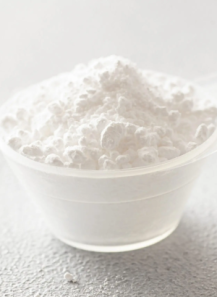
high purity Magnesium Oxide (USP grade)
Magnesium oxide (MgO) is available in two main forms: light magnesium oxide and heavy magnesium oxide. These two forms differ in their physical properties, production methods, and applications. Here's a detailed comparison:
| Property | Light Magnesium Oxide | Heavy Magnesium Oxide |
|---|---|---|
| Density | Low density (0.2–0.5 g/cm³) | High density (3.0–3.4 g/cm³) |
| Particle Size | Fine, fluffy particles | Coarse, dense particles |
| Surface Area | Large surface area | Smaller surface area |
| Bulk Volume | High bulk volume | Low bulk volume |
| Reactivity | More reactive | Less reactive |
| Aspect | Light Magnesium Oxide | Heavy Magnesium Oxide |
|---|---|---|
| Density | Low | High |
| Reactivity | High | Low |
| Surface Area | Large | Small |
| Production Cost | Lower | Higher |
| Typical Use Cases | Pharmaceuticals, food, rubber | Refractories, construction, insulation |
| Test Name | Specification |
|---|---|
| Appearance & physical characteristics | White powder, odorless, tasteless and non-toxic |
| Solubility status | Practically insoluble in water, Insoluble in ethanol, soluble in acid or ammonium salt solution |
| Magnesium oxide (MgO) | 98.0% ~ 100.5% |
| Calcium oxide (CaO) | ≤ 0.5% |
| Soluble Substances | ≤ 2.0% |
| Hydrochloric acid insoluble matter | ≤ 0.1% |
| Iron (Fe) | ≤ 3.0 ppm |
| Lead (Pb) | ≤ 3.0 ppm |
| Arsenic (As) | ≤ 3.0 ppm |
| Loss on ignition | ≤ 5.0% |
| Bulk Density (g/ml) | -- |
| Total plate count (cfu/g) | < 1000 |
| Yeasts & Moulds (cfu/g) | < 100 |
| Coliforms (cfu/g) | < 100 |
No products
high purity Magnesium Oxide (USP grade)
Magnesium oxide (MgO) is available in two main forms: light magnesium oxide and heavy magnesium oxide. These two forms differ in their physical properties, production methods, and applications. Here's a detailed comparison:
| Property | Light Magnesium Oxide | Heavy Magnesium Oxide |
|---|---|---|
| Density | Low density (0.2–0.5 g/cm³) | High density (3.0–3.4 g/cm³) |
| Particle Size | Fine, fluffy particles | Coarse, dense particles |
| Surface Area | Large surface area | Smaller surface area |
| Bulk Volume | High bulk volume | Low bulk volume |
| Reactivity | More reactive | Less reactive |
| Aspect | Light Magnesium Oxide | Heavy Magnesium Oxide |
|---|---|---|
| Density | Low | High |
| Reactivity | High | Low |
| Surface Area | Large | Small |
| Production Cost | Lower | Higher |
| Typical Use Cases | Pharmaceuticals, food, rubber | Refractories, construction, insulation |
| Mechanism | - |
| Appearance | - |
| Longevity | - |
| Strength | - |
| Storage | - |
| Shelf Life | - |
| Allergen(s) | - |
| Dosage (Range) | - |
| Recommended Dosage | - |
| Dosage (Per Day) | - |
| Recommended Dosage (Per Day) | - |
| Mix Method | - |
| Heat Resistance | - |
| Stable in pH range | - |
| Solubility | - |
| Product Types | - |
| INCI | - |