


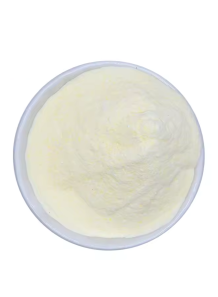
Hydrolyzed casein (casein peptides) for quicker absorption and easier digestion; supports protein synthesis, satiety, and cardiovascular health.
Casein Peptide (Hydrolyzed Casein Milk Protein) hydrolyzed casein is a milk‑derived protein that has been partially broken down into smaller peptides for quicker absorption and easier digestion.
| Benefit | Typical study dose* | Key human findings | High-quality sources |
|---|---|---|---|
| 1 Protein anabolism / muscle support | Varies by study; see sources | Hydrolyzed casein can stimulate whole‑body protein synthesis in clinical settings, with effects comparable in some cases to hydrolyzed whey. | PubMed |
| 2 Cardiovascular / blood pressure | Long‑term daily intake; see study | Milk casein hydrolysate intake over time has been associated with attenuation of hypertension and improvements in cardiovascular risk markers. | ScienceDirect |
| 3 Satiety / appetite control | Varies by product; see sources | Casein supports fullness; hydrolyzed forms absorb faster yet peptides may still aid satiety and help reduce snacking. | Healthline |
| 4 Nutrient supply (EAAs & calcium) | Dietary use per label | Provides all essential amino acids; milk‑derived proteins are also associated with calcium intake supporting bone health. | Cleveland Clinic |
| 5 Digestive tolerability (general) | Formulation‑dependent | Hydrolysis produces smaller peptides that are typically easier to digest than intact proteins for some individuals. | Agrocomplex |
*Dosing varies by product and population; consult the specific formulation and study context.
| Test Name | Specification |
|---|---|
| Appearance | Milky White to Milky Yellow |
| Odor | The taste and smell of the product ,without peculiar smell |
| Form | Powder ,No Caking |
| Protein(dry basis) g/100g | ≥ 75.0 |
| Moisture g/100g | ≤10 |
| Fat g/100g | ≤5.0 |
| Pb mg/kg | ≤0.3 |
| Total Plate Count CFU/g | ≤1000 |
| Coliforms MPN/g | Negative |
| Molds CFU/g | ≤ 25 |
| Yeast CFU/g | ≤ 25 |
| *Salmonella | Negative |
| *Staphylococcus Aureus | Negative |
No products
Hydrolyzed casein (casein peptides) for quicker absorption and easier digestion; supports protein synthesis, satiety, and cardiovascular health.
Casein Peptide (Hydrolyzed Casein Milk Protein) hydrolyzed casein is a milk‑derived protein that has been partially broken down into smaller peptides for quicker absorption and easier digestion.
| Benefit | Typical study dose* | Key human findings | High-quality sources |
|---|---|---|---|
| 1 Protein anabolism / muscle support | Varies by study; see sources | Hydrolyzed casein can stimulate whole‑body protein synthesis in clinical settings, with effects comparable in some cases to hydrolyzed whey. | PubMed |
| 2 Cardiovascular / blood pressure | Long‑term daily intake; see study | Milk casein hydrolysate intake over time has been associated with attenuation of hypertension and improvements in cardiovascular risk markers. | ScienceDirect |
| 3 Satiety / appetite control | Varies by product; see sources | Casein supports fullness; hydrolyzed forms absorb faster yet peptides may still aid satiety and help reduce snacking. | Healthline |
| 4 Nutrient supply (EAAs & calcium) | Dietary use per label | Provides all essential amino acids; milk‑derived proteins are also associated with calcium intake supporting bone health. | Cleveland Clinic |
| 5 Digestive tolerability (general) | Formulation‑dependent | Hydrolysis produces smaller peptides that are typically easier to digest than intact proteins for some individuals. | Agrocomplex |
*Dosing varies by product and population; consult the specific formulation and study context.
| Mechanism | - |
| Appearance | - |
| Longevity | - |
| Strength | - |
| Storage | - |
| Shelf Life | - |
| Allergen(s) | - |
| Dosage (Range) | - |
| Recommended Dosage | - |
| Dosage (Per Day) | - |
| Recommended Dosage (Per Day) | - |
| Mix Method | - |
| Heat Resistance | - |
| Stable in pH range | - |
| Solubility | - |
| Product Types | - |
| INCI | - |