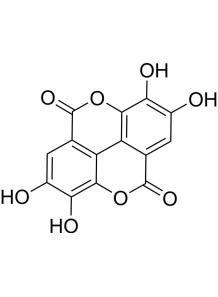
Pure‑Ellagic™ is a cosmetic active raw material consisting of pure ellagic acid powder for advanced brightening and photoprotection support in topical formulations.
Ellagic acid is a plant‑derived polyphenol found in pomegranate, berries, and some nuts. In skin models and small clinical trials it shows tyrosinase inhibition, strong antioxidant activity, down‑regulation of inflammatory cytokines/MMPs, and support for fibroblast survival and matrix integrity—translating into measurable improvements in hyperpigmentation, overall tone, and UV‑related photoaging markers.
Important engineering note: this is pure ellagic acid powder and is very poorly soluble in water and common cosmetic solvents. It must be pre‑processed into a suitable delivery form (e.g., cyclodextrin inclusion complex, nanoemulsion, or temporary alkaline salt formation) and then added back to the formulation, typically at cool‑down <40°C. It is not a finished cosmetic and is intended only for trained formulators.
Related usage context (non‑exhaustive)
Often used in brightening serums, spot correctors, creams/lotions, and masks targeting melasma, sunspots, uneven tone, and photo‑induced dullness. Common combinations include salicylic acid, arbutin, vitamin C, and UV filters (finished products must still use proper sunscreen).
Product Description: Ellagic acid has been shown in vitro and in ex vivo skin models to inhibit tyrosinase, decrease melanin synthesis, and reduce UV‑induced ROS and MMP‑1/3/9 expression in keratinocytes and dermal fibroblasts. In small clinical studies, creams containing ~0.5% ellagic acid (often combined with salicylic acid or plant extracts rich in ellagic acid) reduced the intensity and area of facial hyperpigmentation with tolerability comparable to or better than hydroquinone controls. Additional preclinical work indicates anti‑inflammatory, anti‑apoptotic, and wound‑healing support via modulation of MAPK and NF‑κB‑related pathways. As a pure active, ellagic acid is technically challenging to formulate due to low aqueous/organic solubility and sensitivity to oxidation; successful systems typically use inclusion complexes, nano‑delivery, or carefully engineered solvent/co‑solvent phases to localize the active within the epidermis.
Usage: Cosmetic active for:
- Brightening and tone‑evening serums and lotions
- Targeted spot correctors for melasma, sunspots, and post‑inflammatory dark marks
- Day/night creams supporting photo‑exposed skin
- Adjunct actives in soothing/wound‑care inspired skincare where antioxidant and anti‑inflammatory support is desired
Mixing method:
- Do not add the dry powder directly into the main water phase or finished emulsion; always pre‑solubilize or encapsulate.
- Prepare a pre‑solubilized concentrate using an appropriate system such as cyclodextrin inclusion, nanoemulsion, or temporary alkaline salt formation (raise local pH, dissolve, then back‑adjust in the bulk formula).
- Add the concentrate in the cool‑down stage (<40°C) with good stirring; avoid prolonged exposure to high heat, strong UV, or air.
- Validate stability (color/odor, assay where available) and compatibility with co‑actives (e.g., AHAs/BHAs, vitamin C, retinoids) in your specific base.
Usage rate: 0.1–1.0% ellagic acid in the finished formula (typical ~0.5%), subject to regulatory limits and skin tolerance testing.
Because this SKU is 100% ellagic acid (no carrier), the delivered‑active in the finished product equals the percentage used. For example, using 0.5% of this raw material delivers ~0.5% ellagic acid on skin.
Product characteristics: Light yellow to tan crystalline powder; essentially odorless to faint characteristic odor.
Solubility: Practically insoluble in water; soluble in DMSO; low solubility in ethanol, propylene glycol, and glycerin. In practice, use engineered systems (cyclodextrin complexes, nanoemulsions, or salt formation) to achieve effective delivery.
For external use in cosmetic formulations by trained personnel only; not a finished cosmetic. Always perform appropriate safety and patch testing on the final product before consumer use.