


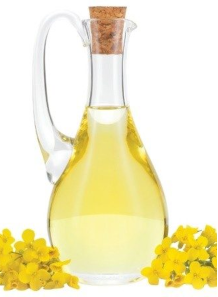
“Direct formulation evidence: O/W emulsions containing cosmetic oils, including Limnanthes alba seed oil among tested ingredients, increased stratum-corneum water content, supporting meadowfoam seed oil as a moisturizing emollient component.”
Very stable emollient oil from meadowfoam seeds; forms a light occlusive film that supports hydration and barrier function, and serves as a silicone-like conditioning and dispersing oil in skin, lip and hair formulas.
Meadowfoam Seed Oil (Cold-Pressed) is a highly stable cosmetic emollient oil pressed from meadowfoam (Limnanthes alba) seeds, used as a lightweight occlusive and skin-conditioning lipid in facial, body, lip and hair-care formulas.
Its triglyceride profile is dominated (about 95–98%) by very long-chain C20–C22 monounsaturated fatty acids. This unusual composition gives meadowfoam seed oil an oxidative stability index far higher than many common cosmetic oils, so it resists rancidity, color shift and odor change even in demanding formulations.
In human in vivo use tests, emulsions containing meadowfoam seed oil behave as expected for good occlusive emollients: over several weeks they increase stratum corneum hydration and reduce transepidermal water loss (TEWL) in dry skin. In other experiments, derivatives from meadowfoam seed by-products (glucosinolate-derived isothiocyanates and nitriles) reduced UVB-induced markers of DNA damage, lipid peroxidation and collagenase activity in reconstructed human skin models. These data support a barrier- and photodamage-supporting role, but do not turn the oil into a stand-alone sunscreen.
A review of botanicals in anti-aging cosmetics notes increasing use of meadowfoam seed oil in anti-aging formulas, yet finds limited direct clinical evidence for wrinkle, elasticity or firmness endpoints. In practice, its anti-aging contribution is best regarded as supportive: it reduces dryness and roughness that emphasize fine lines and may help preserve more labile actives and unsaturated oils via its oxidative stability.
Formulation studies also highlight meadowfoam’s value as a vehicle and texture modifier. It has been shown to disperse pigments effectively in lipsticks (providing good wetting, particle size distribution and stable viscosity) and, in a small half-head clinical conditioner study, a 5% meadowfoam seed oil conditioner performed comparably to a 5% dimethicone benchmark on shine, combing and manageability. Together with its ‘silicone-like’ velvety after-feel, this makes it a versatile base oil for both skincare and color/hair products.
Product Description: Meadowfoam seed oil forms a thin, cohesive lipid film on the stratum corneum, slowing water loss and supporting barrier recovery in dry or over-cleansed skin. Its very long-chain monounsaturated fatty acids give exceptional resistance to oxidation compared with typical unsaturated seed oils, reducing the formation of irritating peroxides and helping to protect co-formulated actives (for example retinoids, unsaturated lipids and sensitive botanical extracts) from oxidative degradation. In vitro and ex vivo models of meadowfoam-derived isothiocyanates and nitriles show reductions in UVB-induced DNA damage and collagenase activity, but because these derivatives are richer in seed meal than in highly refined cosmetic oil and there are no controlled sunscreen-level human trials, these effects should be treated as supportive only and not a replacement for standard UV filters. Toxicological assessments of plant-derived fatty acid oils support meadowfoam seed oil as a safe, low-irritant, non-fragrant triglyceride oil at normal cosmetic use levels.
Usage: Barrier-support and moisturizing products for dry or compromised skin (creams/lotions, body butters, serums, facial oils and balms), post-treatment soothing products, oil-based cleansers and cleansing balms, lipsticks, tinted balms, lip oils and other color cosmetics, as well as hair conditioners, masks and leave-in products where a stable, silicone-like conditioning oil is desired.
Mixing method:
- Emulsions and creams: use as part of the oil phase. It tolerates typical oil-phase heating (about 70–75°C) but minimize air exposure and prolonged high temperature; cool the batch to <40°C before adding very oxidation-sensitive actives.
- Anhydrous balms and facial oils: blend directly with other oils, esters and waxes; adjust ratios to tune slip, cushion and after-feel.
- Color cosmetics and lip: use as a pigment-wetting and dispersing oil together with the wax and oil base; adjust wax/oil balance to achieve the desired pay-off, glide and stick integrity.
- Hair conditioners and treatments: incorporate into the oil/fatty phase of conditioners, masks or serums (for example 2–5%) to provide a silicone-like conditioning effect; ensure full emulsification to avoid oil separation.
- Surfactant-based cleansers and cleansing balms: disperse into the oil/fatty phase before emulsification so it is well-distributed in the final system.
- Compatibility: broadly compatible with most vegetable oils, esters, triglycerides, many silicones and common emollients; avoid strongly oxidizing systems that could attack unsaturated chains.
Usage rate: Typically 1–20% in emulsions, balms and cleansers; up to 100% in neat facial oils or balms when a pure meadowfoam oil phase is desired. In hair conditioners and treatments, levels around 2–5% are common when used as a partial or full replacement for other emollient oils.
Product characteristics: Pale yellow to golden, low-odor, medium-viscosity liquid oil with slow spreading and a film-forming, ‘velvety’ after-feel often compared to certain esters or lightweight silicones. Non-fragrant (no added perfume allergens) and highly resistant to oxidation relative to typical unsaturated seed oils.
Solubility: Oil-phase only; miscible with most vegetable oils, esters, triglycerides and many silicones; insoluble in water. Use suitable emulsifiers, solubilizers or surfactant systems to incorporate into aqueous or cleanser bases.
Naturally derived triglyceride oil; preservative-free by itself – add suitable antioxidants if the overall system contains more oxidation-sensitive lipids or long shelf-life is required.
| Test Name | Specification |
|---|---|
| Appearance | Pale yellow to yellow oily liquid. |
| Odor | Characteristic meadowfoam seed odor. |
| Relative density (20C/20C) | 0.880-0.950 |
| Refractive index (20C) | 1.460-1.488 |
No products
Very stable emollient oil from meadowfoam seeds; forms a light occlusive film that supports hydration and barrier function, and serves as a silicone-like conditioning and dispersing oil in skin, lip and hair formulas.
Meadowfoam Seed Oil (Cold-Pressed) is a highly stable cosmetic emollient oil pressed from meadowfoam (Limnanthes alba) seeds, used as a lightweight occlusive and skin-conditioning lipid in facial, body, lip and hair-care formulas.
Its triglyceride profile is dominated (about 95–98%) by very long-chain C20–C22 monounsaturated fatty acids. This unusual composition gives meadowfoam seed oil an oxidative stability index far higher than many common cosmetic oils, so it resists rancidity, color shift and odor change even in demanding formulations.
In human in vivo use tests, emulsions containing meadowfoam seed oil behave as expected for good occlusive emollients: over several weeks they increase stratum corneum hydration and reduce transepidermal water loss (TEWL) in dry skin. In other experiments, derivatives from meadowfoam seed by-products (glucosinolate-derived isothiocyanates and nitriles) reduced UVB-induced markers of DNA damage, lipid peroxidation and collagenase activity in reconstructed human skin models. These data support a barrier- and photodamage-supporting role, but do not turn the oil into a stand-alone sunscreen.
A review of botanicals in anti-aging cosmetics notes increasing use of meadowfoam seed oil in anti-aging formulas, yet finds limited direct clinical evidence for wrinkle, elasticity or firmness endpoints. In practice, its anti-aging contribution is best regarded as supportive: it reduces dryness and roughness that emphasize fine lines and may help preserve more labile actives and unsaturated oils via its oxidative stability.
Formulation studies also highlight meadowfoam’s value as a vehicle and texture modifier. It has been shown to disperse pigments effectively in lipsticks (providing good wetting, particle size distribution and stable viscosity) and, in a small half-head clinical conditioner study, a 5% meadowfoam seed oil conditioner performed comparably to a 5% dimethicone benchmark on shine, combing and manageability. Together with its ‘silicone-like’ velvety after-feel, this makes it a versatile base oil for both skincare and color/hair products.
Product Description: Meadowfoam seed oil forms a thin, cohesive lipid film on the stratum corneum, slowing water loss and supporting barrier recovery in dry or over-cleansed skin. Its very long-chain monounsaturated fatty acids give exceptional resistance to oxidation compared with typical unsaturated seed oils, reducing the formation of irritating peroxides and helping to protect co-formulated actives (for example retinoids, unsaturated lipids and sensitive botanical extracts) from oxidative degradation. In vitro and ex vivo models of meadowfoam-derived isothiocyanates and nitriles show reductions in UVB-induced DNA damage and collagenase activity, but because these derivatives are richer in seed meal than in highly refined cosmetic oil and there are no controlled sunscreen-level human trials, these effects should be treated as supportive only and not a replacement for standard UV filters. Toxicological assessments of plant-derived fatty acid oils support meadowfoam seed oil as a safe, low-irritant, non-fragrant triglyceride oil at normal cosmetic use levels.
Usage: Barrier-support and moisturizing products for dry or compromised skin (creams/lotions, body butters, serums, facial oils and balms), post-treatment soothing products, oil-based cleansers and cleansing balms, lipsticks, tinted balms, lip oils and other color cosmetics, as well as hair conditioners, masks and leave-in products where a stable, silicone-like conditioning oil is desired.
Mixing method:
- Emulsions and creams: use as part of the oil phase. It tolerates typical oil-phase heating (about 70–75°C) but minimize air exposure and prolonged high temperature; cool the batch to <40°C before adding very oxidation-sensitive actives.
- Anhydrous balms and facial oils: blend directly with other oils, esters and waxes; adjust ratios to tune slip, cushion and after-feel.
- Color cosmetics and lip: use as a pigment-wetting and dispersing oil together with the wax and oil base; adjust wax/oil balance to achieve the desired pay-off, glide and stick integrity.
- Hair conditioners and treatments: incorporate into the oil/fatty phase of conditioners, masks or serums (for example 2–5%) to provide a silicone-like conditioning effect; ensure full emulsification to avoid oil separation.
- Surfactant-based cleansers and cleansing balms: disperse into the oil/fatty phase before emulsification so it is well-distributed in the final system.
- Compatibility: broadly compatible with most vegetable oils, esters, triglycerides, many silicones and common emollients; avoid strongly oxidizing systems that could attack unsaturated chains.
Usage rate: Typically 1–20% in emulsions, balms and cleansers; up to 100% in neat facial oils or balms when a pure meadowfoam oil phase is desired. In hair conditioners and treatments, levels around 2–5% are common when used as a partial or full replacement for other emollient oils.
Product characteristics: Pale yellow to golden, low-odor, medium-viscosity liquid oil with slow spreading and a film-forming, ‘velvety’ after-feel often compared to certain esters or lightweight silicones. Non-fragrant (no added perfume allergens) and highly resistant to oxidation relative to typical unsaturated seed oils.
Solubility: Oil-phase only; miscible with most vegetable oils, esters, triglycerides and many silicones; insoluble in water. Use suitable emulsifiers, solubilizers or surfactant systems to incorporate into aqueous or cleanser bases.
Naturally derived triglyceride oil; preservative-free by itself – add suitable antioxidants if the overall system contains more oxidation-sensitive lipids or long shelf-life is required.
| Mechanism | - |
| Appearance | - |
| Longevity | - |
| Strength | - |
| Long-term storage | - |
| Shelf Life | - |
| Allergen(s) | - |
| Dosage (Range) | - |
| Recommended Dosage | - |
| Dosage (Per Day) | - |
| Recommended Dosage (Per Day) | - |
| Mix Method | - |
| Heat Resistance | - |
| Stable in pH range | - |
| Solubility | - |
| Product Types | - |
| INCI | - |