


“Direct topical evidence: theobromine and other xanthine derivatives reduced UV-induced wrinkle formation, dermal connective-tissue alteration, collagen accumulation, and inflammatory infiltration in hairless mice.”
Cocoa‑derived methylxanthine antioxidant supporting anti‑photodamage; preclinical UV models show wrinkle moderation; human evidence remains limited.
Theobromine is a cocoa‑derived methylxanthine active used in topical skin care as a supportive antioxidant.
Preclinical UV‑exposed mouse skin studies show topical theobromine can moderate photodamage and wrinkle formation, with preserved collagen architecture and lower inflammatory cell infiltration. These effects align with methylxanthines’ antioxidant activity, mild phosphodiesterase inhibition (cAMP modulation), and adenosine‑receptor antagonism.
Human studies isolating topical theobromine are limited; most clinical literature uses caffeine or whole cocoa polyphenols. In practice, theobromine is positioned as a co‑antioxidant within broader antioxidant systems alongside UV filters for photoaging moderation.
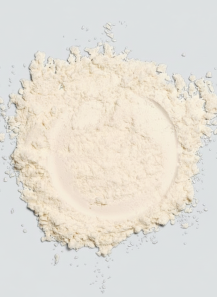
Product Description: Cosmetic‑grade theobromine supplied as a white crystalline powder. Evidence from UV models supports anti‑photodamage/anti‑wrinkle benefits and matrix preservation; translation to humans is biologically plausible but not yet confirmed. Summary:
| Model/System | Key Endpoints | Implication |
|---|---|---|
| Hairless mouse (UV) | Wrinkles ↓; collagen disruption ↓; inflammatory cell infiltration ↓ | Photoprotection/anti‑wrinkle |
| Topical cocoa polyphenols | Stratum corneum penetration; oxidative stress moderation | Antioxidant defense support |
| Methylxanthine analog (caffeine) | Reduced UVB photoaging; removal of UV‑damaged keratinocytes | Class support for topical use |
Usage: Serums, lotions/gel‑creams, after‑sun products, antioxidant boosters; use as a supportive active alongside UV filters and polyphenols in anti‑photoaging routines.
Mixing method:
- Pre‑dissolve in ethanol or a co‑solvent system (e.g., ethanol:propylene glycol 1:1–3:1) until clear, or solubilize with a suitable nonionic solubilizer.
- Add during cool‑down, target below 40°C; avoid unnecessary high heat.
- Work in pH 4.5–7.5; avoid strong acids/bases and strong oxidants. Verify clarity and stability in the chosen vehicle.
Usage rate: 0.1–1%
Product characteristics: White to off‑white crystalline powder; low odor.
Solubility: Low water solubility; soluble in polar organics such as ethanol and propylene glycol; can be dispersed using cosmetic solubilizers.
Storage: Store tightly closed in a dry, cool place away from moisture and heat. For long‑term storage in humid conditions, keep refrigerated. Shelf life up to 24 months.
| Test Name | Specification |
|---|---|
| Content | 99% - 100% |
| Appearance | White to brownish powder |
| Heavy metals | 0% - 0.5% |
| Melting point | 342°C - 343°C |
| Ash | 0% - 2% |
| Arsenic | 0% - 0.1% |
| Melting point (flash point) | 290°C - 295°C |
No products
Cocoa‑derived methylxanthine antioxidant supporting anti‑photodamage; preclinical UV models show wrinkle moderation; human evidence remains limited.
Theobromine is a cocoa‑derived methylxanthine active used in topical skin care as a supportive antioxidant.
Preclinical UV‑exposed mouse skin studies show topical theobromine can moderate photodamage and wrinkle formation, with preserved collagen architecture and lower inflammatory cell infiltration. These effects align with methylxanthines’ antioxidant activity, mild phosphodiesterase inhibition (cAMP modulation), and adenosine‑receptor antagonism.
Human studies isolating topical theobromine are limited; most clinical literature uses caffeine or whole cocoa polyphenols. In practice, theobromine is positioned as a co‑antioxidant within broader antioxidant systems alongside UV filters for photoaging moderation.
Product Description: Cosmetic‑grade theobromine supplied as a white crystalline powder. Evidence from UV models supports anti‑photodamage/anti‑wrinkle benefits and matrix preservation; translation to humans is biologically plausible but not yet confirmed. Summary:
| Model/System | Key Endpoints | Implication |
|---|---|---|
| Hairless mouse (UV) | Wrinkles ↓; collagen disruption ↓; inflammatory cell infiltration ↓ | Photoprotection/anti‑wrinkle |
| Topical cocoa polyphenols | Stratum corneum penetration; oxidative stress moderation | Antioxidant defense support |
| Methylxanthine analog (caffeine) | Reduced UVB photoaging; removal of UV‑damaged keratinocytes | Class support for topical use |
Usage: Serums, lotions/gel‑creams, after‑sun products, antioxidant boosters; use as a supportive active alongside UV filters and polyphenols in anti‑photoaging routines.
Mixing method:
- Pre‑dissolve in ethanol or a co‑solvent system (e.g., ethanol:propylene glycol 1:1–3:1) until clear, or solubilize with a suitable nonionic solubilizer.
- Add during cool‑down, target below 40°C; avoid unnecessary high heat.
- Work in pH 4.5–7.5; avoid strong acids/bases and strong oxidants. Verify clarity and stability in the chosen vehicle.
Usage rate: 0.1–1%
Product characteristics: White to off‑white crystalline powder; low odor.
Solubility: Low water solubility; soluble in polar organics such as ethanol and propylene glycol; can be dispersed using cosmetic solubilizers.
Storage: Store tightly closed in a dry, cool place away from moisture and heat. For long‑term storage in humid conditions, keep refrigerated. Shelf life up to 24 months.
| Mechanism | - |
| Appearance | - |
| Longevity | - |
| Strength | - |
| Long-term storage | - |
| Shelf Life | - |
| Allergen(s) | - |
| Dosage (Range) | - |
| Recommended Dosage | - |
| Dosage (Per Day) | - |
| Recommended Dosage (Per Day) | - |
| Mix Method | - |
| Heat Resistance | - |
| Stable in pH range | - |
| Solubility | - |
| Product Types | - |
| INCI | - |