


“Direct seed-oil evidence: Pongamia pinnata seed oil showed concentration-dependent antibacterial and antifungal activity; relevant to blemish/skin-microbe support, not human cosmetic efficacy.”
Plant-derived Pongamia (Karanja) seed oil for nourishing skin and hair formulas, supporting softness, barrier comfort, soothing concepts and richer botanical oil systems.
Karanja Oil is a plant-derived triglyceride oil pressed from the seeds of Pongamia pinnata (syn. Millettia pinnata). It is a rich emollient oil for skin and hair formulas, selected for softness, slip, reduced roughness, and a comfortable barrier-support feel in creams, lotions, balms, facial oils, cleansing oils, and scalp/hair oils.
The oil naturally contains fatty acids such as oleic and linoleic acid, giving it a nourishing skin-conditioning profile. Karanja is also known for characteristic minor flavonoids, especially karanjin and pongamol, which are discussed in technical literature for antioxidant, nitric-oxide-scavenging, calming, microbial-screening, and UV-support relevance.
For formulators, the best customer-facing use is as a botanical emollient oil with added support for soothing, blemish-prone, barrier-comfort, and photoprotective-add-on concepts. It is not used as a standalone sunscreen or drug active, but it can strengthen the story and skin feel of a well-built cosmetic formula.
Product Description: Karanja Oil primarily functions as a skin-conditioning emollient. The triglyceride matrix lubricates the stratum corneum and helps reduce the feel of dryness or roughness, while the natural flavonoid fraction gives the ingredient a useful botanical story for antioxidant and calming concepts. Pongamia-derived extracts have also shown antimicrobial activity in laboratory screening, supporting formulas that want a cleaner-feeling skincare or scalp-care concept without turning the product into a therapeutic infection claim. Pongamol and karanjin are discussed for UV-absorbing relevance, making Karanja useful as a photoprotective support oil when paired with proper sunscreen filters and final SPF/UVA testing.
| Model/System | Key Endpoints | Formula Value |
|---|---|---|
| Topical emollient use | Softness, slip, reduced rough feel, comfort after application | Barrier-comfort and nourishing oil phase |
| Flavonoid fraction | NO-scavenging and antioxidant discussion in model systems | Soothing, anti-redness and stressed-skin concepts |
| Microbial screening / UV-support literature | Antimicrobial screening for Pongamia extracts; pongamol/karanjin UV-absorbing relevance | Cleaner-feeling skincare, scalp-care, and photoprotective support concepts |
Usage: Emollient oil for creams, lotions, balms, facial oils, cleansing oils, scalp oils, hair oils, barrier-comfort products, blemish-prone skin concepts, and soothing botanical formulas.
Mixing method:
- Add to the oil phase with other emollients; emulsify with the selected O/W or W/O emulsifier system.
- Heat processing is possible for emulsification, commonly up to about 70°C, but avoid long high-temperature hold times to reduce oxidation and odor drift.
- For better stability, protect from air and light, consider tocopherol or another antioxidant, and avoid iron/copper contamination.
Usage rate: 0.5-20%. Typical: 1-5% for lightweight conditioning, 5-15% for richer barrier comfort, and up to 100% in anhydrous oils or balms depending on the target skin feel.
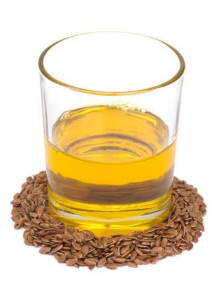
Product characteristics: Golden to brown mobile oil; characteristic nutty-herbal odor.
Solubility: Soluble in oils and esters; insoluble in water. Use surfactants or emulsifiers for aqueous systems.
Storage: Store tightly closed, away from heat and light. Cool storage and antioxidant protection help slow oxidative rancidity.
No products
Plant-derived Pongamia (Karanja) seed oil for nourishing skin and hair formulas, supporting softness, barrier comfort, soothing concepts and richer botanical oil systems.
Karanja Oil is a plant-derived triglyceride oil pressed from the seeds of Pongamia pinnata (syn. Millettia pinnata). It is a rich emollient oil for skin and hair formulas, selected for softness, slip, reduced roughness, and a comfortable barrier-support feel in creams, lotions, balms, facial oils, cleansing oils, and scalp/hair oils.
The oil naturally contains fatty acids such as oleic and linoleic acid, giving it a nourishing skin-conditioning profile. Karanja is also known for characteristic minor flavonoids, especially karanjin and pongamol, which are discussed in technical literature for antioxidant, nitric-oxide-scavenging, calming, microbial-screening, and UV-support relevance.
For formulators, the best customer-facing use is as a botanical emollient oil with added support for soothing, blemish-prone, barrier-comfort, and photoprotective-add-on concepts. It is not used as a standalone sunscreen or drug active, but it can strengthen the story and skin feel of a well-built cosmetic formula.
Product Description: Karanja Oil primarily functions as a skin-conditioning emollient. The triglyceride matrix lubricates the stratum corneum and helps reduce the feel of dryness or roughness, while the natural flavonoid fraction gives the ingredient a useful botanical story for antioxidant and calming concepts. Pongamia-derived extracts have also shown antimicrobial activity in laboratory screening, supporting formulas that want a cleaner-feeling skincare or scalp-care concept without turning the product into a therapeutic infection claim. Pongamol and karanjin are discussed for UV-absorbing relevance, making Karanja useful as a photoprotective support oil when paired with proper sunscreen filters and final SPF/UVA testing.
| Model/System | Key Endpoints | Formula Value |
|---|---|---|
| Topical emollient use | Softness, slip, reduced rough feel, comfort after application | Barrier-comfort and nourishing oil phase |
| Flavonoid fraction | NO-scavenging and antioxidant discussion in model systems | Soothing, anti-redness and stressed-skin concepts |
| Microbial screening / UV-support literature | Antimicrobial screening for Pongamia extracts; pongamol/karanjin UV-absorbing relevance | Cleaner-feeling skincare, scalp-care, and photoprotective support concepts |
Usage: Emollient oil for creams, lotions, balms, facial oils, cleansing oils, scalp oils, hair oils, barrier-comfort products, blemish-prone skin concepts, and soothing botanical formulas.
Mixing method:
- Add to the oil phase with other emollients; emulsify with the selected O/W or W/O emulsifier system.
- Heat processing is possible for emulsification, commonly up to about 70°C, but avoid long high-temperature hold times to reduce oxidation and odor drift.
- For better stability, protect from air and light, consider tocopherol or another antioxidant, and avoid iron/copper contamination.
Usage rate: 0.5-20%. Typical: 1-5% for lightweight conditioning, 5-15% for richer barrier comfort, and up to 100% in anhydrous oils or balms depending on the target skin feel.
Product characteristics: Golden to brown mobile oil; characteristic nutty-herbal odor.
Solubility: Soluble in oils and esters; insoluble in water. Use surfactants or emulsifiers for aqueous systems.
Storage: Store tightly closed, away from heat and light. Cool storage and antioxidant protection help slow oxidative rancidity.
| Mechanism | - |
| Appearance | - |
| Longevity | - |
| Strength | - |
| Long-term storage | - |
| Shelf Life | - |
| Allergen(s) | - |
| Dosage (Range) | - |
| Recommended Dosage | - |
| Dosage (Per Day) | - |
| Recommended Dosage (Per Day) | - |
| Mix Method | - |
| Heat Resistance | - |
| Stable in pH range | - |
| Solubility | - |
| Product Types | - |
| INCI | - |