


a versatile polymer with applications in cosmetics, food, and pharmaceuticals
The product is EP/USP Conforms (Pharmaceutical Grade). Can be used in cosmetics/food/drug
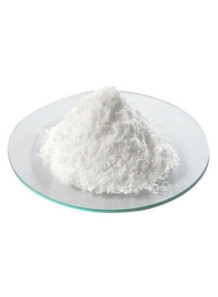
Appearance: Powder
Polyethylene Glycol 6000 (PEG 6000), also known as Macrogol 6000, is a versatile polymer with applications in cosmetics, food, and pharmaceuticals. Here is a detailed look at its uses in each sector:
PEG 6000 is used in various cosmetic and personal care products for several reasons:
PEG 6000 is occasionally used in the food industry for specific purposes:
PEG 6000 is widely used in pharmaceuticals due to its beneficial properties:
Usage: Can be used as a solvent or as a carrier in all kinds of cosmetics.
Mixing method: Mixed with the substance to be dissolved
Rate of use: Depending on use
Product characteristics: white powder
Solubility: Soluble in water, ethanol, glycols (eg propylene glycol, butylene glycol).
Storage: Can be stored at room temperature But close the bottle tightly And sealed from direct sunlight or heat, the product is at least 2 years old
INCI Name : PEG-150
| Test Name | Specification |
|---|---|
| Appearance (25°C) | White or almost white solid flakes or powder |
| Identification A | A |
| Identification B | B |
| Identification C | C |
| Appearance of solution | Meet requirements |
| Completeness and Color of Solution | Meet requirements |
| Acidity or alkalinity | Meet requirements |
| Acidity and Alkalinity | 4.5-7.5 |
| Average Molecular Weight | 5400-6600 |
| Viscosity (98.9°C, cst) | 250-390 |
| Viscosity (20°C, mPa·s) | 200-270 |
| Freezing point (°C) | 55-61 |
| Hydroxyl value | 16-22 |
| Reducing substances | Meet requirements |
| Formaldehyde (ppm) | ≤15 |
| Ethylene oxide (ppm) | ≤1 |
| Dioxan (ppm) | ≤10 |
| Free Ethylene Oxide (μg/g) | ≤10 |
| 1,4-Dioxane (μg/g) | ≤10 |
| Water (%) | ≤1.0 |
| Sulfated ash (%) | ≤0.2 |
| Residue on Ignition (%) | ≤0.1 |
| Heavy Metals (ppm) | ≤5 |
| TAMC & TYMC | ≤10² KOE/g |
| E.Coli | Absence in 1 g |
| Staphylococcus aureus | Absence in 1 g |
| Enterobacteria | Absence in 1 g |
No products
a versatile polymer with applications in cosmetics, food, and pharmaceuticals
The product is EP/USP Conforms (Pharmaceutical Grade). Can be used in cosmetics/food/drug
Appearance: Powder
Polyethylene Glycol 6000 (PEG 6000), also known as Macrogol 6000, is a versatile polymer with applications in cosmetics, food, and pharmaceuticals. Here is a detailed look at its uses in each sector:
PEG 6000 is used in various cosmetic and personal care products for several reasons:
PEG 6000 is occasionally used in the food industry for specific purposes:
PEG 6000 is widely used in pharmaceuticals due to its beneficial properties:
Usage: Can be used as a solvent or as a carrier in all kinds of cosmetics.
Mixing method: Mixed with the substance to be dissolved
Rate of use: Depending on use
Product characteristics: white powder
Solubility: Soluble in water, ethanol, glycols (eg propylene glycol, butylene glycol).
Storage: Can be stored at room temperature But close the bottle tightly And sealed from direct sunlight or heat, the product is at least 2 years old
INCI Name : PEG-150
| Mechanism | - |
| Appearance | - |
| Longevity | - |
| Strength | - |
| Long-term storage | - |
| Shelf Life | - |
| Allergen(s) | - |
| Dosage (Range) | - |
| Recommended Dosage | - |
| Dosage (Per Day) | - |
| Recommended Dosage (Per Day) | - |
| Mix Method | - |
| Heat Resistance | - |
| Stable in pH range | - |
| Solubility | - |
| Product Types | - |
| INCI | - |