


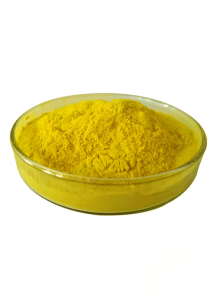
Dihydroberberine (DHB) — better‑absorbed berberine prodrug; typical 100–200 mg with meals; human outcome data pending.
Dihydroberberine reduced form of berberine is a berberine prodrug designed to improve intestinal absorption. Gut bacteria reduce berberine to DHB, which is absorbed more readily and then oxidizes back to berberine in the intestinal wall/bloodstream.
| Benefit | Typical study dose* | Key human findings | High-quality sources |
|---|---|---|---|
| 1 Plasma exposure advantage | 100–200 mg per dose; with meals | Randomized crossover pilot (n=5): 100–200 mg DHB → significantly higher plasma berberine than 500 mg berberine; no acute 2 h change in glucose/insulin in healthy men. | PMC (pilot PK); industry-sponsored |
| 2 Metabolite profile | ~100–200 mg; 24 h sampling | Small 24 h study (n=9): DHB yielded higher blood levels of berberine and several metabolites vs a micellar berberine product. | MDPI (PK/metabolites) |
| 3 Glycemic support (inferred) | 100–200 mg with meals; 1–2× daily | Most outcomes evidence is for berberine (↓ fasting glucose/A1c, some lipids). DHB rationale is better absorption allowing lower doses; outcome trials are pending. | Frontiers reviews/clinical registries |
*Doses reflect early DHB supplement practice and PK studies; products differ. Start low and assess tolerance.
No products
Dihydroberberine (DHB) — better‑absorbed berberine prodrug; typical 100–200 mg with meals; human outcome data pending.
Dihydroberberine reduced form of berberine is a berberine prodrug designed to improve intestinal absorption. Gut bacteria reduce berberine to DHB, which is absorbed more readily and then oxidizes back to berberine in the intestinal wall/bloodstream.
| Benefit | Typical study dose* | Key human findings | High-quality sources |
|---|---|---|---|
| 1 Plasma exposure advantage | 100–200 mg per dose; with meals | Randomized crossover pilot (n=5): 100–200 mg DHB → significantly higher plasma berberine than 500 mg berberine; no acute 2 h change in glucose/insulin in healthy men. | PMC (pilot PK); industry-sponsored |
| 2 Metabolite profile | ~100–200 mg; 24 h sampling | Small 24 h study (n=9): DHB yielded higher blood levels of berberine and several metabolites vs a micellar berberine product. | MDPI (PK/metabolites) |
| 3 Glycemic support (inferred) | 100–200 mg with meals; 1–2× daily | Most outcomes evidence is for berberine (↓ fasting glucose/A1c, some lipids). DHB rationale is better absorption allowing lower doses; outcome trials are pending. | Frontiers reviews/clinical registries |
*Doses reflect early DHB supplement practice and PK studies; products differ. Start low and assess tolerance.
| Mechanism | - |
| Appearance | - |
| Longevity | - |
| Strength | - |
| Long-term storage | - |
| Shelf Life | - |
| Allergen(s) | - |
| Dosage (Range) | - |
| Recommended Dosage | - |
| Dosage (Per Day) | - |
| Recommended Dosage (Per Day) | - |
| Mix Method | - |
| Heat Resistance | - |
| Stable in pH range | - |
| Solubility | - |
| Product Types | - |
| INCI | - |