


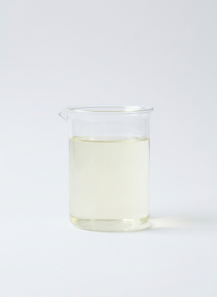
High-active anionic laureth sulfate surfactant for rinse-off cleansers, concentrated surfactant bases, and oil-rich or oil-to-milk cleansing systems.
TIPA Laureth Sulfate is a high-active anionic laureth sulfate surfactant supplied as the triisopropanolamine salt of laureth sulfate.
The material is designed for rinse-off cleanser development where strong cleansing, foam, and emulsifying-cleansing performance are required, especially in concentrated surfactant bases, oil-rich cleanser systems, and water-light formulations where conventional aqueous SLES solutions may add too much water.
This grade is supplied as a colorless to pale yellow liquid with 84.0-89.0% active content, pH 6.0-7.5, moisture not more than 2.0%, sulfate not more than 1.5%, 1,4-dioxane not more than 30 ppm, and clarity at least 83%.
Product Description: TIPA Laureth Sulfate provides the typical performance profile of ethoxylated sulfate surfactants: effective removal of oil/soil, good foam generation, and broad compatibility with amphoteric and nonionic co-surfactants. Compared with non-ethoxylated alkyl sulfates, laureth sulfate chemistry is generally easier to formulate for rinse-off mildness, but it is still a strong anionic surfactant; final skin feel and irritation potential depend on total active surfactant matter, pH, co-surfactant ratio, fragrance level, preservative system, and exposure time.
| Formulation Point | Practical Window | Development Notes |
|---|---|---|
| Main surfactant role | Anionic cleansing / foaming | Use as the primary anionic in body wash, hand wash, shampoo, facial cleanser, oil-to-milk cleanser, or concentrated surfactant base. |
| Mildness design | Blend-dependent | Combine with amphoteric surfactants such as Cocamidopropyl Betaine or Sodium Cocoamphoacetate, and adjust total active surfactant to the target product type. |
| Viscosity control | Salt curve / polymer / associative thickener | Add electrolyte gradually; excess salt can reduce viscosity, create haze, or cause separation. Validate after 24-48 hours. |
| Oil-rich systems | Requires bench validation | Best with polar esters, PEG/glyceryl esters, nonionic emulsifiers, and suitable solubilizers; highly non-polar oils may reduce clarity or phase stability. |
Usage: Suitable for rinse-off cleansing products such as body wash, hand wash, shampoo, facial cleanser, cleansing oil-to-milk systems, oil-rich cleansers, concentrated surfactant bases, and sulfate-based surfactant blends.
Mixing method:
- For aqueous cleansers, add slowly into the water or water/glycerin phase under moderate mixing to avoid excessive foam and air entrapment.
- Blend with amphoteric and/or nonionic co-surfactants to tune foam quality, mildness, viscosity response, and rinse feel.
- Add oils, esters, fragrance, solubilizers, and emollients as pre-blends when needed; test clarity and phase stability before scale-up.
- Normal processing is room temperature to 40-50°C. Avoid prolonged heating above 60°C and avoid strong acid/high heat conditions.
- Adjust finished-product pH near the end of processing. Typical rinse-off cleanser targets are about pH 5.0-7.0 depending on product format.
Usage rate: 15-90% as supplied. Typical starting point: about 35% as supplied.
Because this material is 84.0-89.0% active, 15% use supplies about 12.6-13.4% active surfactant, 35% supplies about 29.4-31.2% active, and 90% supplies about 75.6-80.1% active. For mild finished cleansers, design from total active surfactant matter rather than ingredient percentage alone.
Product characteristics: Colorless to pale yellow liquid; active content 84.0-89.0%; pH 6.0-7.5; clarity at least 83%; moisture not more than 2.0%; sulfate not more than 1.5%; 1,4-dioxane not more than 30 ppm.
Solubility: Water-dispersible to water-soluble with gradual addition and mixing. In oil-rich or water-light cleanser bases, treat it as part of a surfactant/emollient system rather than a simple oil solution; use compatible polar emollients, esters, nonionic emulsifiers, and solubilizers as needed.
Storage: Keep tightly closed in a cool, dry area away from direct sunlight, excessive heat, and freezing. If viscosity or haze changes after cold storage, warm gently to room temperature or 35-40°C and mix before production use, then confirm clarity and performance.
| Test Name | Specification |
|---|---|
| Appearance | Colorless to pale yellow liquid |
| Active Content (%), MW=598 | 84.0–89.0 |
| pH | 6.0–7.5 |
| 1,4-Dioxane (ppm) | ≤30 |
| Clarity (%) | ≥83 |
| Sulfate (%) | ≤1.5 |
| Moisture (%) | ≤2.0 |
No products
High-active anionic laureth sulfate surfactant for rinse-off cleansers, concentrated surfactant bases, and oil-rich or oil-to-milk cleansing systems.
TIPA Laureth Sulfate is a high-active anionic laureth sulfate surfactant supplied as the triisopropanolamine salt of laureth sulfate.
The material is designed for rinse-off cleanser development where strong cleansing, foam, and emulsifying-cleansing performance are required, especially in concentrated surfactant bases, oil-rich cleanser systems, and water-light formulations where conventional aqueous SLES solutions may add too much water.
This grade is supplied as a colorless to pale yellow liquid with 84.0-89.0% active content, pH 6.0-7.5, moisture not more than 2.0%, sulfate not more than 1.5%, 1,4-dioxane not more than 30 ppm, and clarity at least 83%.
Product Description: TIPA Laureth Sulfate provides the typical performance profile of ethoxylated sulfate surfactants: effective removal of oil/soil, good foam generation, and broad compatibility with amphoteric and nonionic co-surfactants. Compared with non-ethoxylated alkyl sulfates, laureth sulfate chemistry is generally easier to formulate for rinse-off mildness, but it is still a strong anionic surfactant; final skin feel and irritation potential depend on total active surfactant matter, pH, co-surfactant ratio, fragrance level, preservative system, and exposure time.
| Formulation Point | Practical Window | Development Notes |
|---|---|---|
| Main surfactant role | Anionic cleansing / foaming | Use as the primary anionic in body wash, hand wash, shampoo, facial cleanser, oil-to-milk cleanser, or concentrated surfactant base. |
| Mildness design | Blend-dependent | Combine with amphoteric surfactants such as Cocamidopropyl Betaine or Sodium Cocoamphoacetate, and adjust total active surfactant to the target product type. |
| Viscosity control | Salt curve / polymer / associative thickener | Add electrolyte gradually; excess salt can reduce viscosity, create haze, or cause separation. Validate after 24-48 hours. |
| Oil-rich systems | Requires bench validation | Best with polar esters, PEG/glyceryl esters, nonionic emulsifiers, and suitable solubilizers; highly non-polar oils may reduce clarity or phase stability. |
Usage: Suitable for rinse-off cleansing products such as body wash, hand wash, shampoo, facial cleanser, cleansing oil-to-milk systems, oil-rich cleansers, concentrated surfactant bases, and sulfate-based surfactant blends.
Mixing method:
- For aqueous cleansers, add slowly into the water or water/glycerin phase under moderate mixing to avoid excessive foam and air entrapment.
- Blend with amphoteric and/or nonionic co-surfactants to tune foam quality, mildness, viscosity response, and rinse feel.
- Add oils, esters, fragrance, solubilizers, and emollients as pre-blends when needed; test clarity and phase stability before scale-up.
- Normal processing is room temperature to 40-50°C. Avoid prolonged heating above 60°C and avoid strong acid/high heat conditions.
- Adjust finished-product pH near the end of processing. Typical rinse-off cleanser targets are about pH 5.0-7.0 depending on product format.
Usage rate: 15-90% as supplied. Typical starting point: about 35% as supplied.
Because this material is 84.0-89.0% active, 15% use supplies about 12.6-13.4% active surfactant, 35% supplies about 29.4-31.2% active, and 90% supplies about 75.6-80.1% active. For mild finished cleansers, design from total active surfactant matter rather than ingredient percentage alone.
Product characteristics: Colorless to pale yellow liquid; active content 84.0-89.0%; pH 6.0-7.5; clarity at least 83%; moisture not more than 2.0%; sulfate not more than 1.5%; 1,4-dioxane not more than 30 ppm.
Solubility: Water-dispersible to water-soluble with gradual addition and mixing. In oil-rich or water-light cleanser bases, treat it as part of a surfactant/emollient system rather than a simple oil solution; use compatible polar emollients, esters, nonionic emulsifiers, and solubilizers as needed.
Storage: Keep tightly closed in a cool, dry area away from direct sunlight, excessive heat, and freezing. If viscosity or haze changes after cold storage, warm gently to room temperature or 35-40°C and mix before production use, then confirm clarity and performance.
| Mechanism | - |
| Appearance | - |
| Longevity | - |
| Strength | - |
| Long-term storage | - |
| Shelf Life | - |
| Allergen(s) | - |
| Dosage (Range) | - |
| Recommended Dosage | - |
| Dosage (Per Day) | - |
| Recommended Dosage (Per Day) | - |
| Mix Method | - |
| Heat Resistance | - |
| Stable in pH range | - |
| Solubility | - |
| Product Types | - |
| INCI | - |