


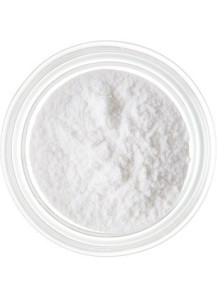
commonly derived from starches, including maize or potato, and is used in pharmaceutical formulations for various purposes due to its versatility
Dextrin is a carbohydrate commonly derived from starches, including maize or potato, and is used in pharmaceutical formulations for various purposes due to its versatility. In drug formulations, dextrin serves several roles:
Binder: Dextrin is often used as a binder in tablet formulations, helping hold the ingredients together, which improves the mechanical strength of tablets. It provides cohesion among particles, ensuring tablets do not crumble during production, packaging, or handling.
Disintegrant: In some formulations, dextrin can act as a disintegrant, promoting the breakup of tablets in the digestive tract to facilitate faster release of the active ingredients. Its water solubility and slight swelling ability aid in this function.
Filler or Diluent: Dextrin is also used as a filler in tablet and capsule formulations when the active ingredient has a low dosage. It adds bulk to the tablet, making it easier to handle and consume.
Film-Coating Agent: Dextrin can be used as a component of film coatings for tablets. It helps protect the active ingredient from environmental factors (e.g., moisture, light) and can improve the appearance of tablets, making them easier to swallow.
Carrier for Spray-Dried Powders: Due to its solubility and stability, dextrin is used as a carrier or encapsulating agent in spray-drying processes, especially for liquid or sensitive ingredients that need to be converted into a powder form.
| Test Name | Specification |
|---|---|
| Appearance | White or white like amorphous powder; Odorless, slightly sweet taste. It is soluble in boiling water but insoluble in ethanol or ethyl ether. |
| Identification | Should be positive reaction; compatible with the microscopic characteristics of corn starch |
| Acidity | Conform to regulations |
| Reducing sugar | Max 0.20 g |
| Solution clarity | Not thicker than No. 3 standard turbidity solution |
| Chlorinated substance (%) | Max 0.2 |
| Sulphate (%) | Max 0.1 |
| Nitrate (%) | Max 0.2 |
| Loss on drying (%) | Max 10 |
| Residue on ignition (%) | Max 0.5 |
| Heavy metal (%) | Max 0.002 |
| Iron salt (%) | Max 0.005 |
| Total aerobic bacteria (cfu/g) | Max 1000 |
| Mold and yeast count (cfu/g) | Max 100 |
| E. coli (cfu/g) | Not detected |
No products
commonly derived from starches, including maize or potato, and is used in pharmaceutical formulations for various purposes due to its versatility
Dextrin is a carbohydrate commonly derived from starches, including maize or potato, and is used in pharmaceutical formulations for various purposes due to its versatility. In drug formulations, dextrin serves several roles:
Binder: Dextrin is often used as a binder in tablet formulations, helping hold the ingredients together, which improves the mechanical strength of tablets. It provides cohesion among particles, ensuring tablets do not crumble during production, packaging, or handling.
Disintegrant: In some formulations, dextrin can act as a disintegrant, promoting the breakup of tablets in the digestive tract to facilitate faster release of the active ingredients. Its water solubility and slight swelling ability aid in this function.
Filler or Diluent: Dextrin is also used as a filler in tablet and capsule formulations when the active ingredient has a low dosage. It adds bulk to the tablet, making it easier to handle and consume.
Film-Coating Agent: Dextrin can be used as a component of film coatings for tablets. It helps protect the active ingredient from environmental factors (e.g., moisture, light) and can improve the appearance of tablets, making them easier to swallow.
Carrier for Spray-Dried Powders: Due to its solubility and stability, dextrin is used as a carrier or encapsulating agent in spray-drying processes, especially for liquid or sensitive ingredients that need to be converted into a powder form.
| Mechanism | - |
| Appearance | - |
| Longevity | - |
| Strength | - |
| Long-term storage | - |
| Shelf Life | - |
| Allergen(s) | - |
| Dosage (Range) | - |
| Recommended Dosage | - |
| Dosage (Per Day) | - |
| Recommended Dosage (Per Day) | - |
| Mix Method | - |
| Heat Resistance | - |
| Stable in pH range | - |
| Solubility | - |
| Product Types | - |
| INCI | - |