


“Closest pH-control evidence: acidic skin surface supports barrier formation, antimicrobial defense, enzymatic activity, and skin renewal; relevant to acetate-buffered cosmetics.”
Sodium acetate is the sodium salt of acetic acid used in cosmetics primarily as a water-soluble buffering and pH-adjusting raw material for aqueous systems.
In formulation it is most useful when paired with an acid source such as acetic acid to build an acetate buffer system, helping finished products resist pH drift during manufacturing, filling, and storage.
Because it behaves as an electrolyte, it should be added with attention to thickener and surfactant tolerance: viscosity of carbomer, acrylate, and some surfactant systems can shift as salt level increases.
Product Description: Sodium acetate dissolves readily in water and is suited to toners, gels, lotions, shampoos, cleansers, deodorant systems, and other water-based personal care products where pH control and buffering capacity are needed. Compared with a one-shot acid or alkali adjustment, a buffer system helps hold the target pH more consistently against raw-material variation and moderate storage stress.
Usage: Buffering and pH adjustment in water-based cosmetics and toiletries, especially systems that need better resistance to pH drift during storage.
Mixing method:
- Add to the water phase and mix until completely dissolved. It is heat tolerant in normal cosmetic processing, but room-temperature dissolution is usually sufficient.
- For true buffering action, pair with the corresponding acid and adjust the sodium acetate:acid ratio while monitoring final pH in the complete formula, not only in the premix.
- Review electrolyte sensitivity of the system. Increased salt load can reduce viscosity in carbomer or acrylate gels and can alter surfactant rheology, so re-check viscosity after full addition.
Usage rate: 0.1-5%
Lower levels are typically sufficient for pH maintenance, while higher levels are reserved for systems that need stronger buffering capacity or a deliberate acetate salt contribution.
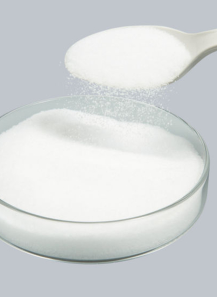
Product characteristics: White crystalline powder.
Solubility: Soluble in water; not intended for direct oil-phase use.
Storage: Store tightly closed in a dry area away from excess moisture to avoid caking and to keep assay and handling consistent.
No products
Sodium acetate is the sodium salt of acetic acid used in cosmetics primarily as a water-soluble buffering and pH-adjusting raw material for aqueous systems.
In formulation it is most useful when paired with an acid source such as acetic acid to build an acetate buffer system, helping finished products resist pH drift during manufacturing, filling, and storage.
Because it behaves as an electrolyte, it should be added with attention to thickener and surfactant tolerance: viscosity of carbomer, acrylate, and some surfactant systems can shift as salt level increases.
Product Description: Sodium acetate dissolves readily in water and is suited to toners, gels, lotions, shampoos, cleansers, deodorant systems, and other water-based personal care products where pH control and buffering capacity are needed. Compared with a one-shot acid or alkali adjustment, a buffer system helps hold the target pH more consistently against raw-material variation and moderate storage stress.
Usage: Buffering and pH adjustment in water-based cosmetics and toiletries, especially systems that need better resistance to pH drift during storage.
Mixing method:
- Add to the water phase and mix until completely dissolved. It is heat tolerant in normal cosmetic processing, but room-temperature dissolution is usually sufficient.
- For true buffering action, pair with the corresponding acid and adjust the sodium acetate:acid ratio while monitoring final pH in the complete formula, not only in the premix.
- Review electrolyte sensitivity of the system. Increased salt load can reduce viscosity in carbomer or acrylate gels and can alter surfactant rheology, so re-check viscosity after full addition.
Usage rate: 0.1-5%
Lower levels are typically sufficient for pH maintenance, while higher levels are reserved for systems that need stronger buffering capacity or a deliberate acetate salt contribution.
Product characteristics: White crystalline powder.
Solubility: Soluble in water; not intended for direct oil-phase use.
Storage: Store tightly closed in a dry area away from excess moisture to avoid caking and to keep assay and handling consistent.
| Mechanism | - |
| Appearance | - |
| Longevity | - |
| Strength | - |
| Storage | - |
| Shelf Life | - |
| Allergen(s) | - |
| Dosage (Range) | - |
| Recommended Dosage | - |
| Dosage (Per Day) | - |
| Recommended Dosage (Per Day) | - |
| Mix Method | - |
| Heat Resistance | - |
| Stable in pH range | - |
| Solubility | - |
| Product Types | - |
| INCI | - |