


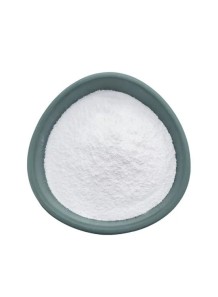
Prebiotic XOS 95% for foods/supplements; supports Bifidobacterium, regularity, and gut barrier at low daily doses (≈1–4 g).
Xylooligosaccharide (XOS, 95%) 95% XOS (xylooligosaccharides) is a prebiotic dietary fiber used in foods and supplements to selectively increase beneficial Bifidobacterium and support regularity and gut barrier function.
| Benefit | Typical study dose* | Key human findings | High-quality sources |
|---|---|---|---|
| Gut microbiome support (↑ Bifidobacterium) | ~1.4–2.8 g/day; 2–8 weeks | Consistent bifidogenic effect with good tolerance (little gas/bloating) | RSC Publishing; PubMed |
| Constipation relief | 3–10 g/day; ~4 weeks | Improved stool form and constipation scores; better QoL | PubMed (2023 RCT) |
| Metabolic markers (early signals) | ~4 g/day; 8 weeks | Small improvements in glucose, lipids, oxidative stress in select cohorts | PubMed |
| Immune/endotoxemia modulation | 1–4 g/day; 2–12 weeks | Changes in endotoxemia and immune readouts; stronger with inulin combinations | Cambridge Univ. Press; PubMed Central |
*Dosing ranges compiled from XOS human studies; responses vary by person. Start low and titrate to comfort.
| Test Name | Specification |
|---|---|
| Appearance | Powder |
| Color | White or slightly yellowish |
| Odor | Characteristic |
| Taste | Sweet |
| Foreign matter | No visible foreign matter |
| XOS content (dry basis), % | ≥95.0 |
| XOS2–4 content (dry basis), % | ≥65.0 |
| pH | 3.5–6.0 |
| Moisture, % | ≤5.0 |
| Ash, % | ≤0.3 |
| Total plate count, CFU/g | ≤1000 |
| Coliforms, CFU/g | ≤10 |
| Mold, CFU/g | ≤25 |
| Yeast, CFU/g | ≤25 |
No products
Prebiotic XOS 95% for foods/supplements; supports Bifidobacterium, regularity, and gut barrier at low daily doses (≈1–4 g).
Xylooligosaccharide (XOS, 95%) 95% XOS (xylooligosaccharides) is a prebiotic dietary fiber used in foods and supplements to selectively increase beneficial Bifidobacterium and support regularity and gut barrier function.
| Benefit | Typical study dose* | Key human findings | High-quality sources |
|---|---|---|---|
| Gut microbiome support (↑ Bifidobacterium) | ~1.4–2.8 g/day; 2–8 weeks | Consistent bifidogenic effect with good tolerance (little gas/bloating) | RSC Publishing; PubMed |
| Constipation relief | 3–10 g/day; ~4 weeks | Improved stool form and constipation scores; better QoL | PubMed (2023 RCT) |
| Metabolic markers (early signals) | ~4 g/day; 8 weeks | Small improvements in glucose, lipids, oxidative stress in select cohorts | PubMed |
| Immune/endotoxemia modulation | 1–4 g/day; 2–12 weeks | Changes in endotoxemia and immune readouts; stronger with inulin combinations | Cambridge Univ. Press; PubMed Central |
*Dosing ranges compiled from XOS human studies; responses vary by person. Start low and titrate to comfort.
| Mechanism | - |
| Appearance | - |
| Longevity | - |
| Strength | - |
| Storage | - |
| Shelf Life | - |
| Allergen(s) | - |
| Dosage (Range) | - |
| Recommended Dosage | - |
| Dosage (Per Day) | - |
| Recommended Dosage (Per Day) | - |
| Mix Method | - |
| Heat Resistance | - |
| Stable in pH range | - |
| Solubility | - |
| Product Types | - |
| INCI | - |