


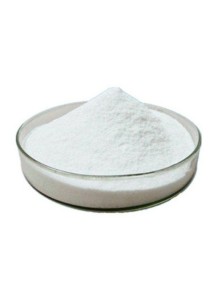
Potassium cinnamate (salt of cinnamic acid). Water‑soluble antimicrobial candidate; potency is matrix/pH dependent. EU: not authorized as additive preservative; US: FEMA flavoring only.
Potassium Cinnamate water‑soluble salt of cinnamic acid (CAS 16089‑48‑8) — investigated as a food‑preservative candidate; effectiveness is product‑specific and typically pH‑dependent.
| Benefit | Typical study/use | Key findings | High-quality sources |
|---|---|---|---|
| 1 Broad antimicrobial activity | Matrix/pH dependent; set by challenge tests | In‑vitro reports activity vs Gram(+) and Gram(−) organisms; membrane and metabolic disruption mechanisms are implicated. | PMC review |
| 2 Packaging/film incorporation | Food‑contact polymer films; dosage per substrate | Potassium cinnamate evaluated in antibacterial films; activity varies by polymer and loading. | ScienceDirect |
*Set usage by product‑specific challenge testing (pH, aw, packaging). Public sources do not provide a universal food‑use dosage.
No products
Potassium cinnamate (salt of cinnamic acid). Water‑soluble antimicrobial candidate; potency is matrix/pH dependent. EU: not authorized as additive preservative; US: FEMA flavoring only.
Potassium Cinnamate water‑soluble salt of cinnamic acid (CAS 16089‑48‑8) — investigated as a food‑preservative candidate; effectiveness is product‑specific and typically pH‑dependent.
| Benefit | Typical study/use | Key findings | High-quality sources |
|---|---|---|---|
| 1 Broad antimicrobial activity | Matrix/pH dependent; set by challenge tests | In‑vitro reports activity vs Gram(+) and Gram(−) organisms; membrane and metabolic disruption mechanisms are implicated. | PMC review |
| 2 Packaging/film incorporation | Food‑contact polymer films; dosage per substrate | Potassium cinnamate evaluated in antibacterial films; activity varies by polymer and loading. | ScienceDirect |
*Set usage by product‑specific challenge testing (pH, aw, packaging). Public sources do not provide a universal food‑use dosage.
| Mechanism | - |
| Appearance | - |
| Longevity | - |
| Strength | - |
| Storage | - |
| Shelf Life | - |
| Allergen(s) | - |
| Dosage (Range) | - |
| Recommended Dosage | - |
| Dosage (Per Day) | - |
| Recommended Dosage (Per Day) | - |
| Mix Method | - |
| Heat Resistance | - |
| Stable in pH range | - |
| Solubility | - |
| Product Types | - |
| INCI | - |