
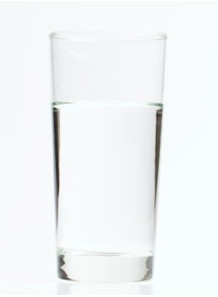
Caprylyl Methicone

Cosmetics Code: 1200

Light, silky alkyl‑modified silicone (C8) for slip, detackifying, and high‑spread emolliency; highly compatible with silicones, esters, hydrocarbons, and natural oils.

EU Conform: D4/D5/D6 <0.1

฿40.60
gram
Min: 0g
pieces
trending_down

Unit price will be cheaper for larger size

The price will be calculated based on the size you enter

An alkyl-modified, low-viscosity silicone fluid (C8 side chain). It behaves as a light emollient and high-spread carrier with far better compatibility with organic oils and esters than classic dimethicone. Sensory is silky, non-greasy, and fast-absorbing.

EU Conform: D4/D5/D6 <0.1

Key Functions & Benefits

  • Slip & spreadability: Rapid, even spread; improves payoff in color cosmetics.
  • Detackifier: Cuts stickiness from humectants, film formers, and organic UV filters.
  • Lightweight emolliency: Soft after-feel without occlusive greasiness.
  • Carrier / solvent aid: Helps dissolve or pre-wet pigments, elastomer gels, and fragrances; good bridge between silicones and organic oils.
  • Shine control / texture refining: Leaves a soft-focus, non-oily finish—useful in primers and mattifying products.
  • Bloom for fragrance: Enhances initial lift without the rapid flash-off of cyclomethicone.

Typical Use Levels

  • Skin care, suncare, hair care: 0.5–5% (1–3% common)
  • Primers, silicone elastomer systems, AP/Deo, color: 2–8%
  • Anhydrous sticks/balms: 2–10% as slip agent and processing aid

Compatibility & Solubility

  • Excellent: Silicones (dimethicone, elastomer gels), esters, hydrocarbons (e.g., isododecane), most natural oils, wax esters.
  • Limited: High-polarity glycols; keep mainly in the oil phase or use with appropriate emulsifiers.
  • Pigments/fillers: Useful as a pre-wetting aid; reduces agglomeration and improves dispersion uniformity.

Where It Shines

  • Face primers & blurring serums: Silkier glide, quick set, soft-focus finish.
  • Liquid foundations / W/Si or O/W emulsions: Viscosity control, better laydown, reduced drag; helps wet pigment grinds.
  • Suncare: Reduces tack from organic filters and film formers; improves spread uniformity (do not rely on it for UV solubilization alone).
  • Deodorants & AP sticks: Smoother application, less visible residue/whitening.
  • Hair styling/serums: Lightweight frizz control and shine without buildup.
  • Anhydrous color (sticks, balms): Improves payoff, glide, and reapplication comfort.

Formulation Tips

  • Phase: Add to the oil phase; in emulsions you can also post-add during cool-down for sensory tuning.
  • Emulsifiers: For higher loads in silicone-rich systems, include silicone-friendly emulsifiers (e.g., PEG/PPG dimethicone copolyols) or robust nonionic systems that tolerate silicones.
  • Elastomer gels: Effectively dilutes silicone elastomer gels, preserving cushion while reducing drag; premix before adding to the main batch.
  • Pigment work: Pre-wet pigments/fillers at 20–40% of the grind liquid to improve dispersion, then complete with your main ester/silicone mix.
  • Stability: Generally low impact on emulsion stability; if separation occurs, raise emulsifier level or add a small amount of a co-emulsifier with silicone affinity.
  • Processing: Gentle to moderate shear is fine; avoid excessive aeration in elastomer systems.

Sensory & Performance

  • Vs. cyclomethicone (D4/D5): Slower evaporation, longer playtime, better compatibility with organic oils; still delivers a light, dry finish.
  • Vs. higher‑cSt dimethicone: Much lighter feel and spread; less occlusive, less greasy.
  • Finish: Soft, silky, and clean—ideal for “weightless” claims.

Regulatory & Labeling

  • INCI: Caprylyl Methicone.
  • Often used as a cyclosiloxane alternative where D4/D5 restrictions apply; formulators must verify local regulations and microplastics policy.
  • No special hazard labeling is typically required at cosmetic use levels.

Quick Starter Formulas (Sketches)

1) Velvet Primer Gel (Anhydrous)

  • Silicone elastomer gel (dimethicone/vinyl dimethicone crosspolymer in volatile carrier): 70–80%
  • Caprylyl Methicone: 5%
  • Isododecane or light ester: q.s. to 100
  • Optional: 1–2% silica or boron nitride; 0.2–0.5% fragrance

Process: Premix caprylyl methicone with elastomer gel, add isododecane, then sift in fillers under gentle shear.

2) Lightweight O/W Serum

  • Water phase: humectants + water, preserved
  • Oil phase: Caprylyl Methicone 2%, light ester 3–5%, emulsifier 3–4%
  • Optional: 0.2–0.5% silicone elastomer powder for soft focus

Process: Standard O/W; cool to <40 °C and post‑add remaining caprylyl methicone for sensory tuning.

Usage: for all kinds of products To give a slip skin feel when used

How to mix: Mix in silicone or if you want to mix in water, use SiliSolve to bind water to silicone.

Usage rate: 0.5-50%

Product characteristics: Clear liquid, light texture

Solubility: Can be dissolved in any Silicone and various oils (such as Jojoba Oil, Avocado Oil, Apricot Oil) and any LipidSoft.

INCI Name : Caprylyl Methicone

Examples of products using Caprylyl Methicone
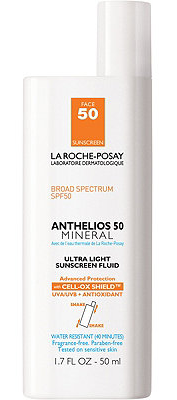
LA ROCHE-POSAY ANTHELIOS 50 MINERAL
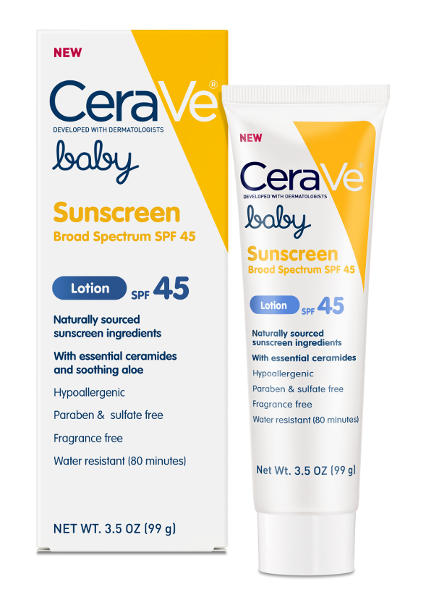
CeraVe Baby Sunscreen Lotion SPF 45
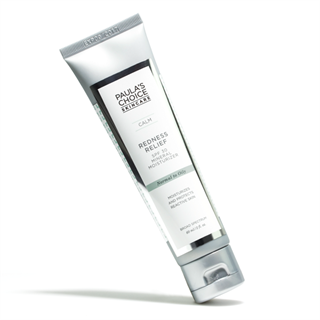
Paula's Choice CALM Redness Relief SPF 30 Mineral Moisturizer for Oily Skin


  • Room (25-40C)
  • 48 Months from manufacturing or testing date.
  • 0.50% - 50.00%
  • Mix in silicone phase. Heat tolerant.
  • Avoid heat above 80C
  • 0.00 - 0.00
  • Soluble in Oil, Soluble/Miscible in silicone
  • Cream, Lotion, Mask, Scrub, Lip, Eye Shadow, Brush-on, Foundation, Primer, Concealer
  • -
Test Name Specification
Appearance Colorless clear liquid
Viscosity, mm²/s 2.00-4.00
D4 Content, % < 0.1
D5 Content, % < 0.1
D6 Content, % < 0.1


search
hourglass_emptyLoading product examples...

Caprylyl Methicone

Light, silky alkyl‑modified silicone (C8) for slip, detackifying, and high‑spread emolliency; highly compatible with silicones, esters, hydrocarbons, and natural oils.

EU Conform: D4/D5/D6 <0.1

An alkyl-modified, low-viscosity silicone fluid (C8 side chain). It behaves as a light emollient and high-spread carrier with far better compatibility with organic oils and esters than classic dimethicone. Sensory is silky, non-greasy, and fast-absorbing.

EU Conform: D4/D5/D6 <0.1

Key Functions & Benefits

Typical Use Levels

Compatibility & Solubility

Where It Shines

Formulation Tips

Sensory & Performance

Regulatory & Labeling

Quick Starter Formulas (Sketches)

1) Velvet Primer Gel (Anhydrous)

Process: Premix caprylyl methicone with elastomer gel, add isododecane, then sift in fillers under gentle shear.

2) Lightweight O/W Serum

Process: Standard O/W; cool to <40 °C and post‑add remaining caprylyl methicone for sensory tuning.

Usage: for all kinds of products To give a slip skin feel when used

How to mix: Mix in silicone or if you want to mix in water, use SiliSolve to bind water to silicone.

Usage rate: 0.5-50%

Product characteristics: Clear liquid, light texture

Solubility: Can be dissolved in any Silicone and various oils (such as Jojoba Oil, Avocado Oil, Apricot Oil) and any LipidSoft.

INCI Name : Caprylyl Methicone

Examples of products using Caprylyl Methicone

LA ROCHE-POSAY ANTHELIOS 50 MINERAL

CeraVe Baby Sunscreen Lotion SPF 45

Paula's Choice CALM Redness Relief SPF 30 Mineral Moisturizer for Oily Skin

Mechanism -
Appearance -
Longevity -
Strength -
Storage -
Shelf Life -
Allergen(s) -
Dosage (Range) -
Dosage (Per Day) -
Mix Method -
Heat Resistance -
Stable in pH range -
Solubility -
Product Types -
INCI -

Purchase History for

Loading purchase history...