


“pomegranate extract scope: antioxidant status and selected cardiovascular risk markers in healthy volunteers”
Water-dispersible pomegranate extract with about 9% ellagic acid for food supplement and functional beverage formulations; typical use 250-1000 mg/day ingredient, delivering about 22.5-90 mg/day ellagic acid.
MultiCare™ Pomegranate Extract (Water Dispersible Ellagic Acid) contains about 9% ellagic acid in a water-dispersible pomegranate extract format. Ellagic acid and ellagitannins are key pomegranate polyphenols, but free ellagic acid is naturally difficult to disperse in water. This product is designed to make ellagic-acid delivery easier for capsules, tablets, sachets, drink powders, beverage shots, gummies and other functional-food systems where a more uniform aqueous dispersion is needed.
| Benefit | Typical study dose* | Key human findings | High-quality sources |
|---|---|---|---|
| 1 Antioxidant & oxidative-stress support | Pomegranate extract or juice studies commonly use standardized extracts around 250 mg/day or beverage-level pomegranate polyphenol intake for several weeks. | Human pomegranate studies report improvements in antioxidant capacity and selected oxidative-stress markers. These data support antioxidant use, but they should not be presented as disease treatment or prevention. | PubMed 36358496 |
| 2 Cardiometabolic marker support | Pomegranate extract trials often use 250-1000 mg/day; pomegranate juice trials use food-level intake. | Clinical trials of pomegranate extract/juice show mixed but useful signals for blood pressure, lipid, inflammatory and oxidative-stress markers. The effect size depends on population, baseline risk, dose and study design. | PubMed 29152243 |
| 3 Gut microbiome & urolithin pathway | Standardized pomegranate extract 250 mg/day in a recent human microbiome study; ellagic-acid exposure varies by extract assay. | Ellagitannins release ellagic acid, which can be converted by gut microbes into urolithins. Urolithin production varies strongly between individuals, so benefits linked to this pathway may be responder-dependent. | PubMed 38201042 |
| 4 Healthy-aging and cellular-protection research | Evidence uses ellagitannin-rich foods, pomegranate extracts, ellagic acid, or urolithins; dose translation is not direct. | Mechanistic literature links ellagic acid/urolithins with redox balance, inflammatory signaling and mitochondrial-quality pathways. Human outcome evidence for ellagic acid itself remains early, so use evidence-based healthy-aging and cellular-protection language rather than disease claims. | PubMed 35142569 |
*For this ingredient, a practical formulation range is 250-1000 mg/day, delivering about 22.5-90 mg/day ellagic acid from the 9% assay. Dose selection should follow the finished product format, local supplement rules and total polyphenol intake from the formula.
| Test Name | Specification |
|---|---|
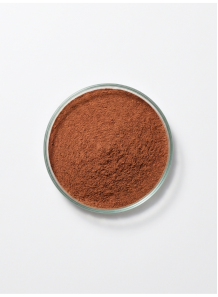
| Appearance | Light yellow to off-white powder |
| Content of Ellagic Acid | 8-10% |
| Loss on Drying | ≤10.0% |
| Residue on Ignition | ≤0.1% |
| Lead (Pb) | ≤2.0 mg/kg |
| Arsenic (As) | ≤3.0 mg/kg |
No products
Water-dispersible pomegranate extract with about 9% ellagic acid for food supplement and functional beverage formulations; typical use 250-1000 mg/day ingredient, delivering about 22.5-90 mg/day ellagic acid.
MultiCare™ Pomegranate Extract (Water Dispersible Ellagic Acid) contains about 9% ellagic acid in a water-dispersible pomegranate extract format. Ellagic acid and ellagitannins are key pomegranate polyphenols, but free ellagic acid is naturally difficult to disperse in water. This product is designed to make ellagic-acid delivery easier for capsules, tablets, sachets, drink powders, beverage shots, gummies and other functional-food systems where a more uniform aqueous dispersion is needed.
| Benefit | Typical study dose* | Key human findings | High-quality sources |
|---|---|---|---|
| 1 Antioxidant & oxidative-stress support | Pomegranate extract or juice studies commonly use standardized extracts around 250 mg/day or beverage-level pomegranate polyphenol intake for several weeks. | Human pomegranate studies report improvements in antioxidant capacity and selected oxidative-stress markers. These data support antioxidant use, but they should not be presented as disease treatment or prevention. | PubMed 36358496 |
| 2 Cardiometabolic marker support | Pomegranate extract trials often use 250-1000 mg/day; pomegranate juice trials use food-level intake. | Clinical trials of pomegranate extract/juice show mixed but useful signals for blood pressure, lipid, inflammatory and oxidative-stress markers. The effect size depends on population, baseline risk, dose and study design. | PubMed 29152243 |
| 3 Gut microbiome & urolithin pathway | Standardized pomegranate extract 250 mg/day in a recent human microbiome study; ellagic-acid exposure varies by extract assay. | Ellagitannins release ellagic acid, which can be converted by gut microbes into urolithins. Urolithin production varies strongly between individuals, so benefits linked to this pathway may be responder-dependent. | PubMed 38201042 |
| 4 Healthy-aging and cellular-protection research | Evidence uses ellagitannin-rich foods, pomegranate extracts, ellagic acid, or urolithins; dose translation is not direct. | Mechanistic literature links ellagic acid/urolithins with redox balance, inflammatory signaling and mitochondrial-quality pathways. Human outcome evidence for ellagic acid itself remains early, so use evidence-based healthy-aging and cellular-protection language rather than disease claims. | PubMed 35142569 |
*For this ingredient, a practical formulation range is 250-1000 mg/day, delivering about 22.5-90 mg/day ellagic acid from the 9% assay. Dose selection should follow the finished product format, local supplement rules and total polyphenol intake from the formula.
| Mechanism | - |
| Appearance | - |
| Longevity | - |
| Strength | - |
| Storage | - |
| Shelf Life | - |
| Allergen(s) | - |
| Dosage (Range) | - |
| Recommended Dosage | - |
| Dosage (Per Day) | - |
| Recommended Dosage (Per Day) | - |
| Mix Method | - |
| Heat Resistance | - |
| Stable in pH range | - |
| Solubility | - |
| Product Types | - |
| INCI | - |