


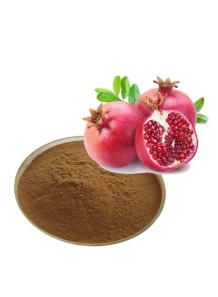
Standardized pomegranate seed extract delivering 40% polyphenols (ellagitannins incl. punicalagins) for nutraceutical formulations; human evidence supports modest blood-pressure benefits.
Pomegranate (Seed) Extract (40% Polyphenols) Standardized to 40% polyphenols (ellagitannins incl. punicalagins) is a nutraceutical botanical extract used to deliver pomegranate polyphenols in capsules, tablets, and functional foods.
| Benefit | Typical study dose* | Key human findings | High-quality sources |
|---|---|---|---|
| 1 Blood pressure support (modest) | Commonly 1 capsule/day; 4–12 weeks (varies by extract and study design) | Across randomized trials, pomegranate products (juice/extract) are associated with modest average reductions in systolic and diastolic blood pressure, with substantial between-study variability. In one double-blind RCT of pomegranate extract capsules (8 weeks), diastolic BP decreased significantly vs placebo. | PubMed (2024 meta-analysis) Cambridge (double-blind RCT) |
| 2 Cardiometabolic markers (mixed) | Varies widely (juice/extract); typically weeks to months | Clinical studies report improvements in some endpoints (e.g., triglycerides, LDL/total cholesterol, glycemia/insulin resistance) in some settings, but findings are inconsistent and likely sensitive to dose, extract profile, and baseline risk. | MDPI (systematic review) |
| 3 Skin appearance (early evidence) | Standardized extract daily for 4 weeks (75 mg punicalagin per capsule) | A small randomized, double-blind, placebo-controlled study reported improvements in image-based facial wrinkle severity after 4 weeks of standardized pomegranate extract supplementation. | MDPI (RCT) |
| 4 Gut microbiome / urolithins (biomarker-driven) | Varies by extract; response depends on microbiome “metabotype” | Ellagitannins/ellagic acid can be converted by gut microbes into urolithins (e.g., urolithin A), but individuals differ markedly. A human study in overweight/obese adults reported microbiome and gut-metabolite shifts linked to urolithin A production. | RSC Food & Function |
*Dose varies by extract profile and standardization. This product is standardized to 40% polyphenols; for example, 250 mg/day extract delivers ~100 mg/day polyphenols (40%).
| Test Name | Specification |
|---|---|
| Appearance | Brown powder |
| Assay (Total polyphenols) | 40% Min |
| Odor | Characteristics |
| Heavy Metals | 10ppm Max |
| As | 1ppm Max |
| Pb | 1ppm Max |
| Cd | 0.3ppm Max |
| Hg | 0.1ppm Max |
| Aflatoxins | 10ppm Max |
| Total Plate Count | 1000CFU/g Max |
| E.Coli | Negative in 10g |
| Salmonella | Negative in 10g |
| Staphylococcus aureus | Negative in 10g |
| Coliform | 10CFU/g Max |
| Yeast and mold | 100CFU/g Max |
No products
Standardized pomegranate seed extract delivering 40% polyphenols (ellagitannins incl. punicalagins) for nutraceutical formulations; human evidence supports modest blood-pressure benefits.
Pomegranate (Seed) Extract (40% Polyphenols) Standardized to 40% polyphenols (ellagitannins incl. punicalagins) is a nutraceutical botanical extract used to deliver pomegranate polyphenols in capsules, tablets, and functional foods.
| Benefit | Typical study dose* | Key human findings | High-quality sources |
|---|---|---|---|
| 1 Blood pressure support (modest) | Commonly 1 capsule/day; 4–12 weeks (varies by extract and study design) | Across randomized trials, pomegranate products (juice/extract) are associated with modest average reductions in systolic and diastolic blood pressure, with substantial between-study variability. In one double-blind RCT of pomegranate extract capsules (8 weeks), diastolic BP decreased significantly vs placebo. | PubMed (2024 meta-analysis) Cambridge (double-blind RCT) |
| 2 Cardiometabolic markers (mixed) | Varies widely (juice/extract); typically weeks to months | Clinical studies report improvements in some endpoints (e.g., triglycerides, LDL/total cholesterol, glycemia/insulin resistance) in some settings, but findings are inconsistent and likely sensitive to dose, extract profile, and baseline risk. | MDPI (systematic review) |
| 3 Skin appearance (early evidence) | Standardized extract daily for 4 weeks (75 mg punicalagin per capsule) | A small randomized, double-blind, placebo-controlled study reported improvements in image-based facial wrinkle severity after 4 weeks of standardized pomegranate extract supplementation. | MDPI (RCT) |
| 4 Gut microbiome / urolithins (biomarker-driven) | Varies by extract; response depends on microbiome “metabotype” | Ellagitannins/ellagic acid can be converted by gut microbes into urolithins (e.g., urolithin A), but individuals differ markedly. A human study in overweight/obese adults reported microbiome and gut-metabolite shifts linked to urolithin A production. | RSC Food & Function |
*Dose varies by extract profile and standardization. This product is standardized to 40% polyphenols; for example, 250 mg/day extract delivers ~100 mg/day polyphenols (40%).
| Mechanism | - |
| Appearance | - |
| Longevity | - |
| Strength | - |
| Storage | - |
| Shelf Life | - |
| Allergen(s) | - |
| Dosage (Range) | - |
| Recommended Dosage | - |
| Dosage (Per Day) | - |
| Recommended Dosage (Per Day) | - |
| Mix Method | - |
| Heat Resistance | - |
| Stable in pH range | - |
| Solubility | - |
| Product Types | - |
| INCI | - |