


“Direct topical preclinical evidence: evodiamine reduced psoriasis-like lesions, itch behavior, TNF-α/IL-23/IL-17A, and pruritus mediators in imiquimod-treated mice.”
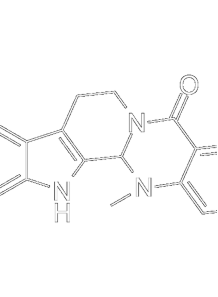
Pure‑Evodiamine™ is a cosmetic active raw material consisting of high‑purity evodiamine powder (CAS 518‑17‑2), an indole alkaloid originally found in Tetradium ruticarpum (syn. Evodia rutaecarpa; “Wu‑Zhu‑Yu”).
Published “topical benefit” evidence for evodiamine is mostly preclinical and is often based on Evodia extracts (where evodiamine is co‑present with other alkaloids such as rutaecarpine) or on co‑delivery systems (evodiamine + rutaecarpine) designed to increase skin flux. A key, repeatedly observed theme is that performance is delivery‑limited unless an appropriate penetration/solubilization system is used.
Formulation caution (sensory/irritation): evodiamine is discussed in the literature as a TRPV1 activator, which can support neuromodulatory “comfort” concepts but may also increase stinging/burning risk depending on dose and vehicle. For cosmetic development, start low, use controlled‑delivery approaches, and confirm tolerance in your finished formula.
Product Description: In topical/transdermal studies, Evodia preparations containing evodiamine (often alongside rutaecarpine) and engineered vehicles (microemulsions, hydrogels, and permeation‑enhancer systems) have been reported to increase transdermal delivery and to modulate pain/inflammation readouts in animal models. Separately, a controlled human erythema model has been published for a defined “Evodia biomimetic mixture” (rutaecarpine, dehydroevodiamine, evodin) that reduced induced redness; however, that human evidence is not for purified evodiamine alone and should not be over‑attributed to this single molecule. Overall, evodiamine is best treated as an R&D‑grade topical active where outcomes depend strongly on the delivery system and on keeping a controlled delivered‑active level on skin.
| Model/System | Key Endpoints (Reported) | Implication |
|---|---|---|
| Mouse pain models; topical Evodia extract creams (Fitoterapia) | Dose‑dependent reduction of pain responses (formalin / hot‑plate in the report); baseline skin permeation low but improved with lipophilic enhancers | “Comfort / analgesic” concept is vehicle‑dependent (animal evidence) |
| Transdermal ME‑Gel co‑delivery (evodiamine + rutaecarpine; Int. J. Pharm.) | Higher transdermal flux vs hydrogel control and improved pain‑model outcomes; reduced serum inflammatory mediators in the report | Delivery engineering can change on‑skin performance |
| Human induced‑erythema model; Evodia “biomimetic mixture” (not pure evodiamine) | Reduced methyl‑nicotinate erythema in that study; mixture composition differs from this SKU | Supports Evodia‑alkaloid concept, not a direct proof for purified evodiamine |
| Microemulsion delivery studies (evodiamine + rutaecarpine; Int. J. Nanomedicine) | Higher flux/cutaneous exposure vs suspensions/ointment comparators; “reservoir” behavior described in the report | Formulation choice is a primary driver of delivery |
Usage: Technical active for topical comfort / sensory‑modulation concepts where delivery can be controlled (e.g., massage gels, targeted balms/spot gels, and formulation delivery‑system R&D). Avoid medical claims in cosmetic positioning.
Mixing method:
- Do not add the dry powder directly into the main water phase. Pre‑solubilize in a compatible solvent/co‑solvent (e.g., propylene glycol, butylene glycol, ethanol) or incorporate via an engineered system (microemulsion, solubilizer blend, encapsulation) to prevent crystallization.
- Add during cool‑down (<40°C) with good mixing; confirm clarity/particle stability after 24–72 h and after temperature cycling.
- Start with very low levels and validate sensory tolerance of the finished product (TRPV1‑related “heat/sting” potential is formulation‑dependent).
Usage rate: 0.01–0.10% (as supplied, 100% active). Typical starting point: ~0.03% (then adjust based on delivery and tolerance).
Because this SKU is pure evodiamine (no carrier), the delivered‑active in the finished product equals the percentage used.
Product characteristics: Off‑white to pale yellow crystalline powder; odorless to faint characteristic odor.
Solubility: Practically insoluble in water. Soluble in DMSO (R&D); solubility varies in alcohols and glycols and typically requires solubilizers or microemulsion systems for stable cosmetic incorporation.
Storage: Store tightly closed, dry, and protected from light. Avoid prolonged heat and moisture exposure; re‑check appearance/solubility after opening and extended storage.
No products
Pure‑Evodiamine™ is a cosmetic active raw material consisting of high‑purity evodiamine powder (CAS 518‑17‑2), an indole alkaloid originally found in Tetradium ruticarpum (syn. Evodia rutaecarpa; “Wu‑Zhu‑Yu”).
Published “topical benefit” evidence for evodiamine is mostly preclinical and is often based on Evodia extracts (where evodiamine is co‑present with other alkaloids such as rutaecarpine) or on co‑delivery systems (evodiamine + rutaecarpine) designed to increase skin flux. A key, repeatedly observed theme is that performance is delivery‑limited unless an appropriate penetration/solubilization system is used.
Formulation caution (sensory/irritation): evodiamine is discussed in the literature as a TRPV1 activator, which can support neuromodulatory “comfort” concepts but may also increase stinging/burning risk depending on dose and vehicle. For cosmetic development, start low, use controlled‑delivery approaches, and confirm tolerance in your finished formula.
Product Description: In topical/transdermal studies, Evodia preparations containing evodiamine (often alongside rutaecarpine) and engineered vehicles (microemulsions, hydrogels, and permeation‑enhancer systems) have been reported to increase transdermal delivery and to modulate pain/inflammation readouts in animal models. Separately, a controlled human erythema model has been published for a defined “Evodia biomimetic mixture” (rutaecarpine, dehydroevodiamine, evodin) that reduced induced redness; however, that human evidence is not for purified evodiamine alone and should not be over‑attributed to this single molecule. Overall, evodiamine is best treated as an R&D‑grade topical active where outcomes depend strongly on the delivery system and on keeping a controlled delivered‑active level on skin.
| Model/System | Key Endpoints (Reported) | Implication |
|---|---|---|
| Mouse pain models; topical Evodia extract creams (Fitoterapia) | Dose‑dependent reduction of pain responses (formalin / hot‑plate in the report); baseline skin permeation low but improved with lipophilic enhancers | “Comfort / analgesic” concept is vehicle‑dependent (animal evidence) |
| Transdermal ME‑Gel co‑delivery (evodiamine + rutaecarpine; Int. J. Pharm.) | Higher transdermal flux vs hydrogel control and improved pain‑model outcomes; reduced serum inflammatory mediators in the report | Delivery engineering can change on‑skin performance |
| Human induced‑erythema model; Evodia “biomimetic mixture” (not pure evodiamine) | Reduced methyl‑nicotinate erythema in that study; mixture composition differs from this SKU | Supports Evodia‑alkaloid concept, not a direct proof for purified evodiamine |
| Microemulsion delivery studies (evodiamine + rutaecarpine; Int. J. Nanomedicine) | Higher flux/cutaneous exposure vs suspensions/ointment comparators; “reservoir” behavior described in the report | Formulation choice is a primary driver of delivery |
Usage: Technical active for topical comfort / sensory‑modulation concepts where delivery can be controlled (e.g., massage gels, targeted balms/spot gels, and formulation delivery‑system R&D). Avoid medical claims in cosmetic positioning.
Mixing method:
- Do not add the dry powder directly into the main water phase. Pre‑solubilize in a compatible solvent/co‑solvent (e.g., propylene glycol, butylene glycol, ethanol) or incorporate via an engineered system (microemulsion, solubilizer blend, encapsulation) to prevent crystallization.
- Add during cool‑down (<40°C) with good mixing; confirm clarity/particle stability after 24–72 h and after temperature cycling.
- Start with very low levels and validate sensory tolerance of the finished product (TRPV1‑related “heat/sting” potential is formulation‑dependent).
Usage rate: 0.01–0.10% (as supplied, 100% active). Typical starting point: ~0.03% (then adjust based on delivery and tolerance).
Because this SKU is pure evodiamine (no carrier), the delivered‑active in the finished product equals the percentage used.
Product characteristics: Off‑white to pale yellow crystalline powder; odorless to faint characteristic odor.
Solubility: Practically insoluble in water. Soluble in DMSO (R&D); solubility varies in alcohols and glycols and typically requires solubilizers or microemulsion systems for stable cosmetic incorporation.
Storage: Store tightly closed, dry, and protected from light. Avoid prolonged heat and moisture exposure; re‑check appearance/solubility after opening and extended storage.
| Mechanism | - |
| Appearance | - |
| Longevity | - |
| Strength | - |
| Long-term storage | - |
| Shelf Life | - |
| Allergen(s) | - |
| Dosage (Range) | - |
| Recommended Dosage | - |
| Dosage (Per Day) | - |
| Recommended Dosage (Per Day) | - |
| Mix Method | - |
| Heat Resistance | - |
| Stable in pH range | - |
| Solubility | - |
| Product Types | - |
| INCI | - |